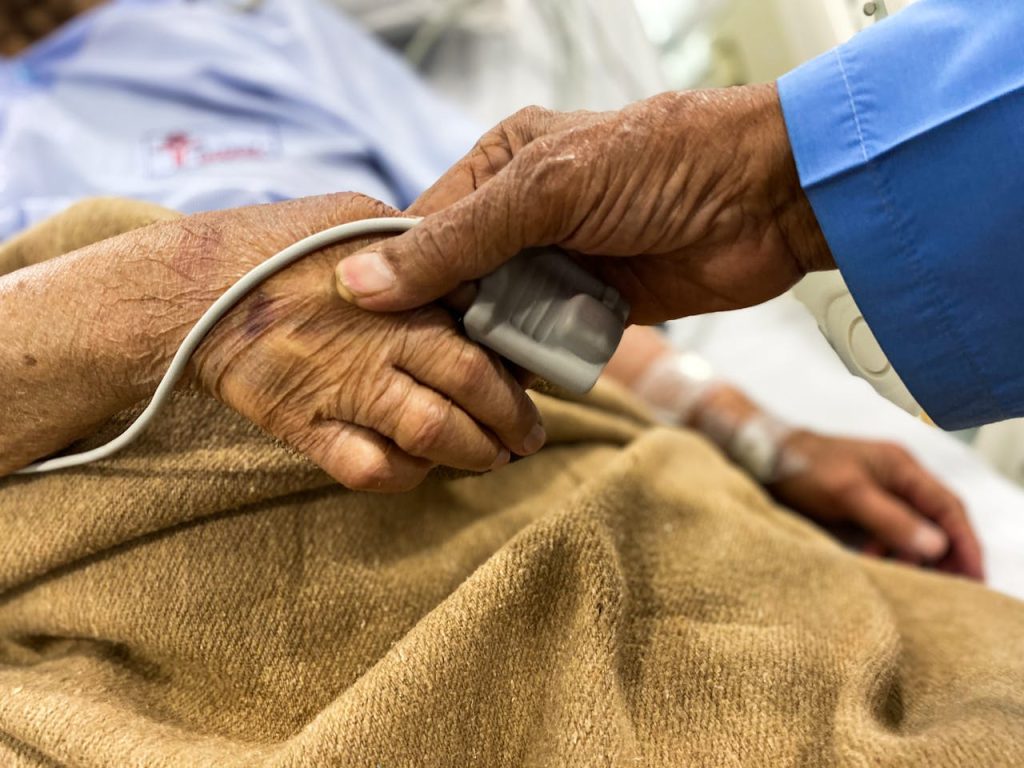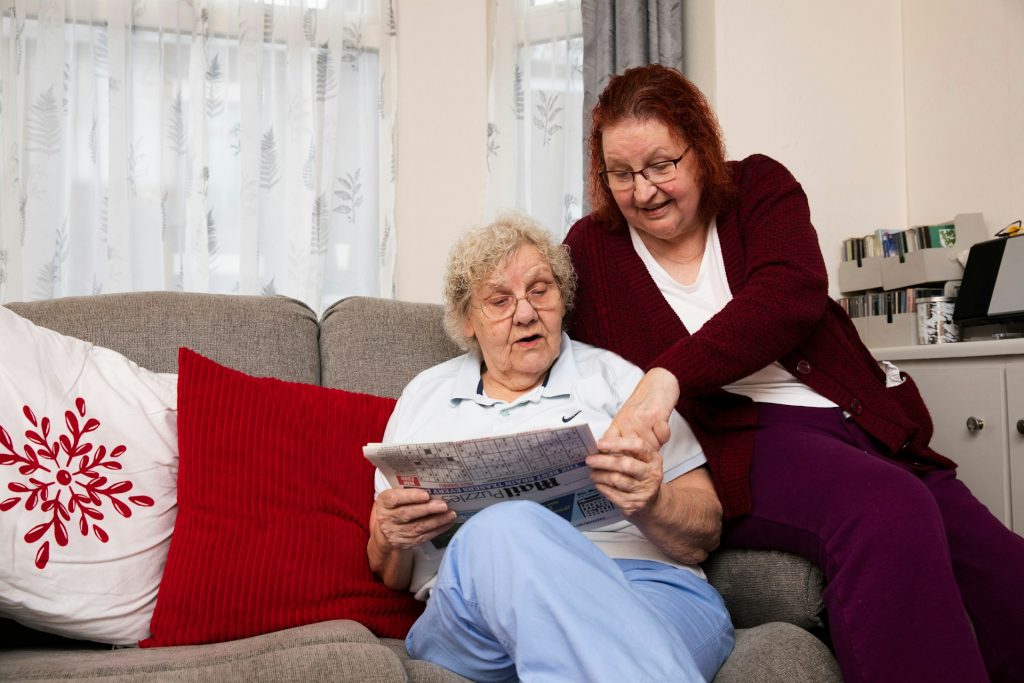

There are various types of elderly abuse, including physical abuse, neglect, emotional and psychological abuse, sexual abuse, financial exploitation, and verbal abuse. Verbal mistreatment is one of the most common types of abuse in long-term care facilities, and unfortunately, it’s also one of the most difficult to identify and prove.
Understanding Verbal Mistreatment of Vulnerable Adults
Defining Verbal Mistreatment
Elder Mistreatment: Abuse, Neglect, and Exploitation in an Aging America defines elder mistreatment as “(a) intentional actions that cause harm or create a serious risk of harm (whether or not harm is intended) to a vulnerable elder by a caregiver or other person who stands in a trust relationship to the elder or (b) failure by a caregiver to satisfy the elder’s basic needs or to protect the elder from harm.” Verbal mistreatment often falls under this definition.
According to a report in the Journal of Elder Abuse and Neglect, 38 percent of older adults in their sample reported verbal mistreatment. Of course, the actual number of older adults who are verbally abused is likely much higher; many nursing home residents are too fearful or lack the cognitive/language ability to report abuse.
Free Case Evaluation
Case Results
$5,000,000
Negligence, neglect, and abandonment litigation against the State of Washington, DSHS, and Brighton Enterprises, Inc by Guardian for Vulnerable Adult
$5,000,000
Nursing home vulnerable adult neglect and wrongful death in Pierce County.
$4,755,555
Neglect and abandonment litigation against the State of Washington, DSHS, and Brighton Enterprises Inc by Guardian for Vulnerable Adult
$4,255,555
Neglect, drowning, and cognitive impairment of a vulnerable adult under DSHS care and supervision.
$1,100,000
Nursing home wrongful death of south Puget Sound vulnerable adult neglect and abandonment.
$1,000,000
Nursing home vulnerable adult abuse, neglect and wrongful death in Thurston County.
Types of Verbal Abuse
Verbal mistreatment comes in many forms. It can come from family members, nursing home staff and other caregivers. Any statement made to an elderly person that is meant to cause pain, fear or detriment is considered verbal mistreatment. This includes the following.
- Insults, name calling or profanities
- Yelling and screaming
- Mocking and criticizing
- Threats of harming the resident or his or her family
- Undermining or trivializing concerns or interests and belittling
- Excluding in activities or ignoring
- Preventing the resident from seeing their visitors
Recognizing the Signs of Elder Verbal Mistreatment
Verbal mistreatment can be very hard to spot. If the perpetrator has threatened your loved one, he or she may be too afraid of retaliation to speak up or may just not be able to articulate the abuse. He or she may be too embarrassed or feel too defeated and helpless to say anything or may not want to worry you. You’ll need to be privy to the signs of elder verbal mistreatment and check on your loved one regularly.
If you notice any of the following, it may be an indicator of verbal abuse.
- Withdrawal from activities and socialization
- Being unusually quiet or refusing to answer simple questions
- Avoidance of eye contact, shiftiness and noticeable nervousness
- Changes in weight, hygiene or sleep habits
- Mood swings, irritability or aggression
- Making statements that signal low self-esteem, fear or hopelessness

Is Verbal Elder Abuse a Crime in Washington?
Many families ask an important question after discovering emotional mistreatment in a nursing home or care setting: Is verbal elder abuse a crime?
In Washington, verbal elder abuse can sometimes violate both civil and criminal laws, particularly when the conduct involves threats, intimidation, harassment or patterns of emotional harm directed toward a vulnerable adult.
Although elderly verbal abuse may not leave physical injuries, the effects can still be severe. Residents who experience repeated yelling, humiliation, isolation or verbal intimidation may suffer anxiety, depression, sleep disturbances and worsening cognitive decline. For vulnerable adults already living with Alzheimer’s disease or dementia, emotional mistreatment can significantly increase confusion, fear and emotional instability.
Protecting vulnerable adults in Washington means recognizing that abuse is not limited to physical harm. Emotional cruelty, verbal mistreatment and psychological manipulation can all create unsafe care environments.
In nursing homes and assisted living facilities, staff members and caregivers have a responsibility to treat residents with dignity and respect. When that responsibility is ignored, legal action may be appropriate not only against the individual involved, but also against facilities that failed to properly supervise staff or respond to complaints.
Families should never assume that verbal abuse is “part of getting older” or simply the result of caregiver stress. Repeated emotional mistreatment can have serious long-term consequences for elderly residents and vulnerable adults.
Our Approach to Verbal Mistreatment of the Elderly Cases
At Ron Meyers & Associates, we are dedicated to protecting the rights and well-being of the elderly who have suffered from verbal mistreatment. Our compassionate team of legal professionals understands the profound impact that verbal abuse can have on the physical and emotional health of vulnerable adults. We are here to provide the support, guidance, and legal representation needed to seek justice on behalf of those who have endured such mistreatment.
Comprehensive Investigation and Case Evaluation
When you reach out to us regarding a case of verbal mistreatment of the elderly, our first step is to conduct a thorough investigation to gather evidence and understand the details of the situation. We understand the sensitive nature of these cases and approach them with utmost care and professionalism. Our team will review any available documentation, interview relevant individuals, and work closely with you to uncover the facts and build a strong case.
Building a Strong Legal Strategy
Based on the findings of our investigation, we will develop a comprehensive legal strategy tailored to your specific case. Our goal is to hold the responsible parties accountable for their actions and seek compensation for the harm caused to your loved one. Whether the mistreatment occurred in a nursing home, assisted living facility, or by a caregiver, we will leverage our experience in elder abuse law to pursue justice on your behalf.
Compassionate Support and Guidance
We understand that these cases can be emotionally challenging for both the victim and their families. Throughout the legal process, we provide compassionate support and guidance, ensuring that you and your loved ones are informed and involved at every stage. We will explain the legal options available to you, answer your questions, and provide updates on the progress of your case. Your well-being and peace of mind are our priorities.
Negotiation and Litigation
In many instances, we strive to reach a fair settlement through negotiation, sparing our clients the additional stress and time associated with a trial. However, if a fair resolution cannot be achieved through negotiation, we are fully prepared to take your case to court. Our experienced attorneys will vigorously advocate for your rights, presenting a compelling case and seeking the maximum compensation available under the law.
Seeking Justice and Fair Compensation
Our ultimate goal is to seek justice for your loved one and hold those responsible for the verbal mistreatment accountable. We will pursue compensation for damages such as medical expenses, therapy costs, emotional distress, and pain and suffering. We believe that by taking legal action, we can not only help your family recover the financial support you deserve but also raise awareness about elder mistreatment and drive positive change in the care of vulnerable adults.
Contact Us for a Consultation
If you suspect that your loved one has experienced verbal mistreatment, we are here to help. Contact our firm today to schedule a consultation. We offer a compassionate and confidential environment where you can discuss your concerns and explore your legal options. Together, we can take a stand against elder abuse and seek justice for your loved one.

Legal Insights on Verbal Mistreatment of the Elderly in Washington
Why Verbal Abuse of the Elderly Is So Harmful
Unlike physical abuse, verbal mistreatment does not leave visible marks, which makes it harder to detect and prove. However, the consequences can be equally severe. Constant insults, yelling, or intimidation can erode an elderly person’s confidence, create deep emotional scars, and even impact physical health. Studies show that elder emotional abuse can increase stress hormones, weaken immune systems, and accelerate cognitive decline.
Recognizing that yelling at an elderly person can be a form of abuse is the first step in protecting vulnerable adults. Families, caregivers, and professionals must treat verbal abuse as seriously as any other form of elder mistreatment.
Common Situations Where Verbal Mistreatment Occurs
Verbal abuse of the elderly may occur in different settings, including:
- Nursing homes or assisted living facilities where overworked or untrained staff lash out at residents.
- In-home caregiving arrangements, especially when caregivers lack support or training.
- Within families, where stress, financial strain, or unresolved conflicts can manifest as verbal assault.
Understanding where and why elder verbal abuse occurs can help families remain vigilant and take swift action to protect their loved ones.
Proving Verbal Assault in Washington State
One of the biggest challenges in addressing verbal assault in Washington State is the lack of physical evidence. However, certain strategies can be used to prove mistreatment:
- Witness testimony from other residents, visitors, or staff
- Audio or video recordings (when legally obtained)
- Documentation of behavioral changes in the victim
- Expert testimony from psychologists or medical professionals linking emotional decline to mistreatment
An attorney experienced in elder emotional abuse cases can help gather the right evidence and present a compelling case in court.
Legal Protections Against Elder Verbal Abuse in Washington
Washington law provides protections for vulnerable adults under state elder abuse statutes. Families can report suspected verbal abuse of the elderly to Adult Protective Services, local law enforcement, or a long-term care ombudsman. In addition to criminal investigations, civil lawsuits may be filed against abusers or negligent facilities.
Civil claims can seek compensation for:
- Emotional distress and psychological trauma
- Therapy or counseling costs
- Medical care if the abuse contributed to physical health decline
- Punitive damages in cases of extreme or malicious mistreatment
With the help of a lawyer, families can pursue both justice and financial recovery for the harm caused.
When Nursing Homes Fail to Protect Residents from Emotional Abuse
In some cases, verbal mistreatment is not caused by a single isolated incident. It may reflect broader problems within a nursing home or care facility, including poor supervision, understaffing or failure to respond to prior complaints.
A nursing home emotional abuse attorney in Washington may investigate whether a facility:
- Ignored repeated concerns from residents or families
- Failed to properly train or supervise employees
- Allowed patterns of intimidation or humiliation to continue
- Retaliated against residents who reported abuse
- Created an environment where vulnerable adults felt unsafe speaking up
Nursing home abuse attorneys in Washington often see situations where emotional mistreatment escalates over time because warning signs were ignored. Residents may become increasingly withdrawn, fearful or emotionally distressed while staff members dismiss concerns as confusion or aging-related behavior.
Facilities that care for vulnerable adults are expected to maintain safe and respectful environments. When nursing homes fail to intervene or properly protect residents from verbal abuse, families may have grounds to pursue legal action.
Holding facilities accountable is not only about compensation. It also helps encourage better care standards and stronger protections for vulnerable adults living in long-term care settings.
Why Local Representation Matters in Elder Mistreatment Cases
Elderly verbal abuse cases often involve local nursing homes, assisted living centers, or in-home caregivers. Having an attorney familiar with Olympia and Washington state resources ensures families receive practical guidance on reporting abuse and navigating local agencies. A lawyer who understands how regional courts handle emotional elder abuse cases can also provide stronger representation during litigation.
Taking Steps to Protect Your Loved One
If you suspect your loved one is being verbally mistreated, swift action is crucial. Steps to consider include:
- Documenting specific incidents of suspected abuse
- Speaking with trusted staff members or administrators at the facility
- Reporting the abuse to state agencies or law enforcement
- Consulting an attorney about legal remedies and compensation options
Families should never ignore signs of elderly verbal abuse. Even if the victim is hesitant to speak up, changes in mood, withdrawal, or fearfulness may point to ongoing mistreatment.
Seeking Justice and Accountability
Taking legal action in cases of verbal abuse is not just about compensation. It also holds abusers accountable, deters future mistreatment, and helps improve standards in care facilities. By partnering with a lawyer who has experience handling verbal abuse of elderly cases, families can ensure their loved ones’ voices are heard and their rights are fully protected.
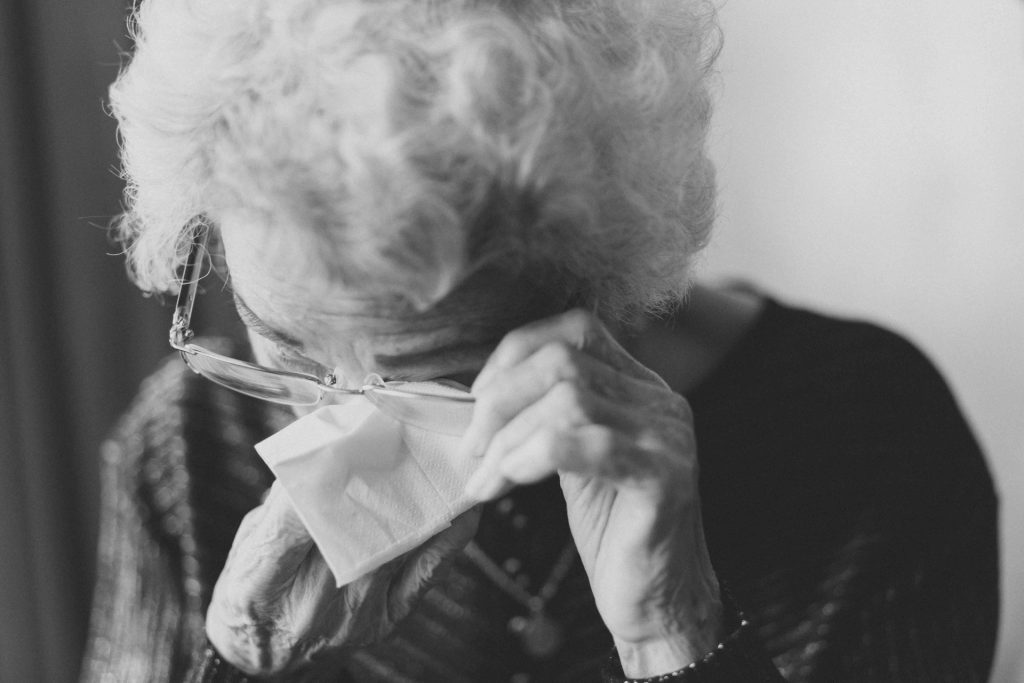
How Ron Meyers & Associates Can Help with Verbal Mistreatment Cases
Dealing with the Effects of Verbal Mistreatment
Verbal mistreatment can have long-lasting, very detrimental effects on an elderly person, and the longer they are mistreated, the more damaging the adverse effects. Verbal abuse can lead to psychological and emotional damage, but it can also weaken their immune system and leave them more susceptible to illness and reduce their overall quality of life.
If you suspect that your loved one is being abused, you will want to try to remove your loved one from the situation as soon as possible. You can report it to the management at the care facility, the local Adult Protective Services, or the Long-term Care Ombudsman. In Olympia, you can call the Agency on Aging at (360) 459-5600.
You may need to get your loved one counseling to deal the damaging effects and to foster healing. If your loved one was victimized by verbal mistreatment, you can speak to an attorney about how to hold the abuser liable. You may qualify to file a claim or lawsuit against the at-fault facility to recover expenses.
For a free consultation with an attorney that handles elder verbal mistreatment cases in Washington, contact Ron Meyers & Associates PLLC at 844-920-2324.
Frequently Asked Questions About Verbal Mistreatment of Vulnerable Adults
Verbal mistreatment can occur from various individuals, including family members, nursing home staff, caregivers, or anyone in a position of trust or care for the elderly person.
Verbal mistreatment is a pervasive issue affecting older adults in Washington and throughout the country. While the true extent is often underestimated due to underreporting, it is important to address this form of mistreatment and protect the rights of our elderly population.
Signs of elder verbal mistreatment may include withdrawal from activities, unusual quietness, avoidance of eye contact, changes in weight or sleep patterns, mood swings, and statements indicating low self-esteem, fear, or hopelessness.
Yes, if your loved one has suffered verbal mistreatment in Washington, you have the right to take legal action. Consult with an experienced attorney in Washington who specializes in elder abuse cases to evaluate your situation and explore the legal options available to you.
Compensation in verbal mistreatment cases may cover various damages, including medical expenses, therapy costs, emotional distress, pain and suffering, and other losses resulting from the mistreatment. An attorney familiar with Washington laws can assess the specifics of your case and determine the appropriate compensation to seek.
A knowledgeable attorney in Washington can provide essential legal guidance and support throughout the process. They will investigate the case, gather evidence, develop a strong legal strategy, negotiate on your behalf, and, if necessary, litigate the matter in court to seek justice and fair compensation within the legal framework of Washington state.
The statute of limitations for verbal mistreatment cases may vary depending on the jurisdiction and specific circumstances within Washington state. It’s crucial to consult with an attorney in Washington promptly to ensure compliance with any applicable deadlines set by Washington state law.
If you suspect or witness verbal mistreatment of an elderly person in Washington, it’s essential to report it to the appropriate authorities. Contact local adult protective services, law enforcement agencies, or state agencies responsible for handling elder abuse cases in Washington. An attorney familiar with the reporting processes in Washington can also guide you on the appropriate channels to report the mistreatment.