


When families think about vulnerable adult injuries, they often focus on nursing homes, assisted living facilities, hospitals, or home care settings. However, one of the most overlooked risks occurs during transportation.
Every day, vulnerable adults are transported between care facilities, hospitals, medical appointments, rehabilitation centers, dialysis clinics, and their homes. Many of these individuals rely on caregivers, transportation companies, medical transport providers, or facility staff to ensure they arrive safely.
Unfortunately, injuries can occur when proper precautions are not taken. Falls during transfers, wheelchair-related accidents, vehicle collisions, improper securement, and inadequate supervision during transport can leave vulnerable adults with serious injuries that may have been entirely preventable.
When a transportation provider, caregiver, facility, or medical transport company fails to follow appropriate safety procedures, they may be held responsible for the harm that results.

Why Transportation Creates Unique Risks for Vulnerable Adults
Transportation may seem routine, but for vulnerable adults, it can present significant challenges.
Many individuals who require transportation services have:
- Mobility limitations
- Balance issues
- Cognitive impairments
- Dementia or Alzheimer’s disease
- Vision impairments
- Chronic medical conditions
- Dependence on wheelchairs, walkers, or other mobility devices
Even a short trip can become dangerous if caregivers fail to provide appropriate assistance, supervision, or safety measures.
What may be a minor incident for a healthy adult can result in life-altering injuries for someone who is medically fragile.
Common Injuries That Occur During Patient Transport
Transport-related injuries can happen before, during, or after a trip.
Some of the most common incidents include:
Falls During Transfers
Many injuries occur when patients are being moved:
- From a bed to a wheelchair
- From a wheelchair into a vehicle
- From a vehicle to a medical facility
- Between mobility devices
Without proper assistance, lifting techniques, or transfer equipment, a vulnerable adult may fall and suffer serious injuries.

Wheelchair Securement Failures
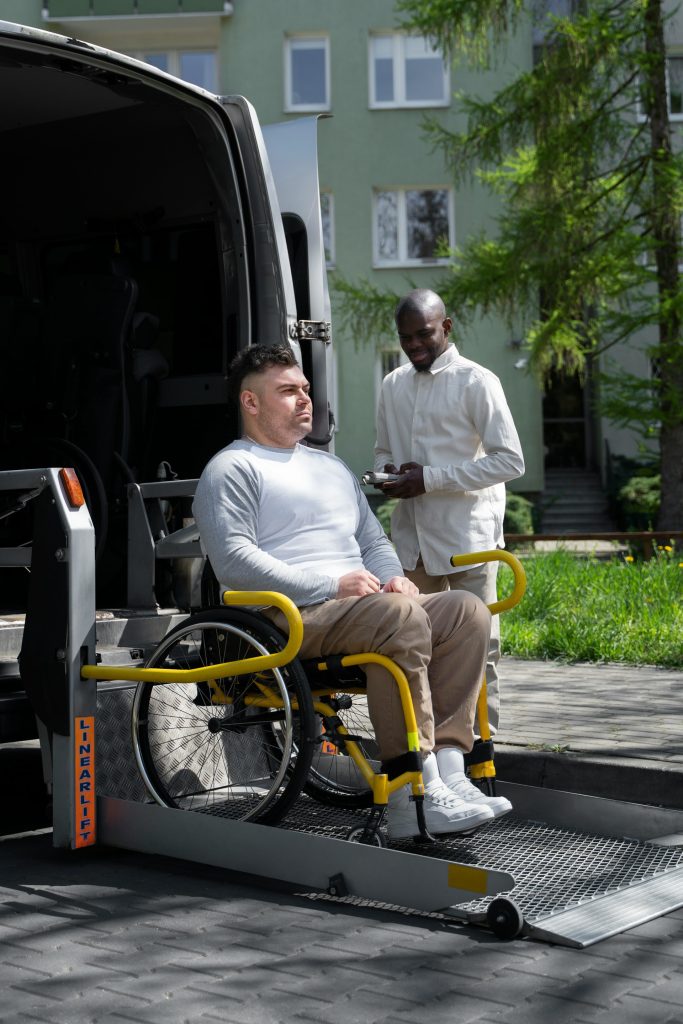
Wheelchairs should be properly secured whenever transportation is provided.
Improper securement can lead to:
- Sudden movement during transport
- Tip-overs
- Ejections from wheelchairs
- Head injuries
- Fractures
These incidents are often preventable when proper procedures are followed.
Vehicle Accidents
Medical transport vehicles, facility vans, and caregiver-operated vehicles can be involved in traffic accidents.
While not every collision results from negligence, liability may arise when drivers:
- Speed
- Drive recklessly
- Become distracted
- Fail to accommodate passenger needs
- Operate unsafe vehicles
- Drive while fatigued
Because vulnerable adults may be physically unable to protect themselves during a crash, even relatively minor accidents can cause severe injuries.
Failure to Supervise During Transport
Some vulnerable adults require active monitoring throughout transportation.
Examples include individuals who:
- Have dementia
- Are prone to wandering
- Require oxygen
- Have seizure disorders
- Need assistance with positioning
- Face elevated fall risks
When transport personnel fail to monitor passengers appropriately, preventable injuries can occur.
Who May Be Responsible for a Transport-Related Injury?
Determining liability often depends on who was responsible for the vulnerable adult at the time of the incident.
Potentially liable parties may include:
- Nursing homes
- Assisted living facilities
- Adult family homes
- Home care agencies
- Hospitals
- Rehabilitation facilities
- Non-emergency medical transportation companies
- Individual caregivers
- Vehicle operators
- Third-party contractors
In some cases, multiple parties may share responsibility for the same injury.
For example, a facility may fail to communicate a resident’s fall risk to a transport company, while the transport provider may fail to follow appropriate transfer procedures.
What Safety Standards Apply to Medical Transportation?
Transport providers have a responsibility to take reasonable steps to protect passengers from foreseeable harm.
Depending on the circumstances, this may include:
- Proper wheelchair securement
- Safe lifting and transfer techniques
- Adequate staff assistance
- Driver training
- Vehicle maintenance
- Monitoring medically vulnerable passengers
- Following individualized care instructions
- Using appropriate safety restraints
Facilities and transportation providers should also have procedures in place for responding to medical emergencies during transport.
When these safeguards are ignored, serious injuries can result.
How Transport Negligence Often Happens
Many transportation injuries stem from preventable mistakes.
Common examples include:
- Leaving a passenger unattended
- Failing to lock wheelchair brakes
- Improperly securing mobility devices
- Inadequate transfer assistance
- Failure to use seatbelts or restraints
- Poor communication between providers
- Rushing transfers
- Insufficient staffing
- Failure to recognize medical distress
- Inadequate driver training
These incidents often occur because safety protocols were not followed rather than because the injury was unavoidable.
How Do You Prove Negligence in a Transport Injury Case?
A transport-related injury does not automatically mean someone was negligent.
However, negligence may exist when a provider fails to exercise reasonable care under the circumstances.
To establish a claim, it is often necessary to show:
- A duty of care existed.
- The provider failed to meet that duty.
- The failure caused or contributed to the injury.
- The injured individual suffered damages.
Evidence may include:
- Incident reports
- Transportation logs
- Driver records
- Vehicle maintenance records
- Medical records
- Witness statements
- Facility records
- Training documentation
- Surveillance footage
A thorough investigation is often necessary to determine exactly what occurred.
Why Transport Injuries Can Be Especially Serious
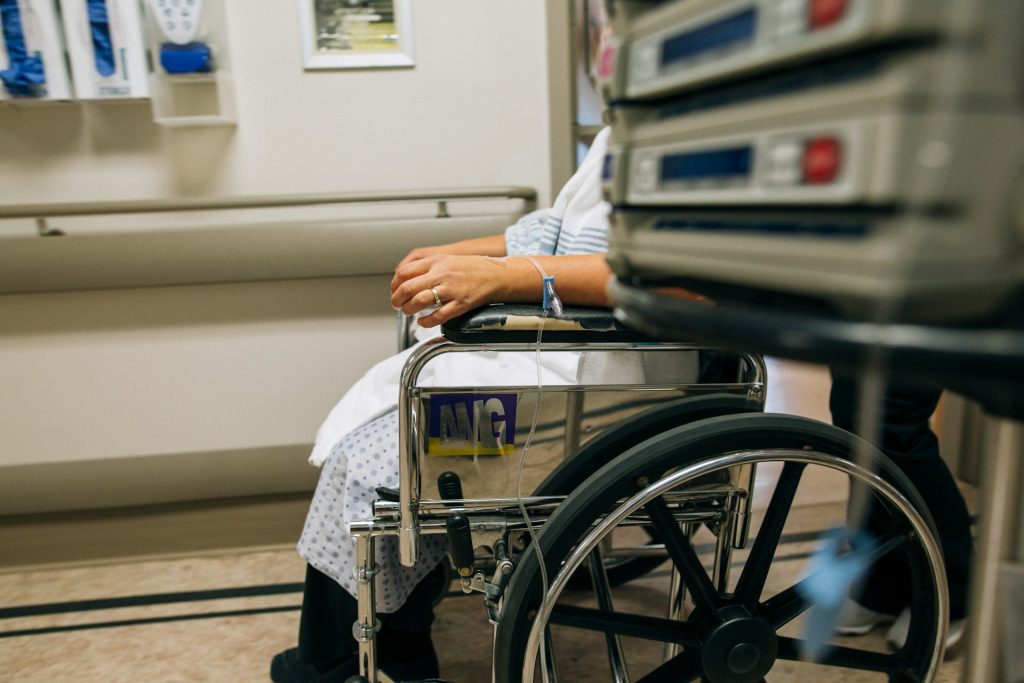
Vulnerable adults often have underlying medical conditions that increase the severity of injuries.
A fall or collision that might cause minor injuries to a healthy adult can lead to:
- Hip fractures
- Traumatic brain injuries
- Spinal injuries
- Internal bleeding
- Loss of mobility
- Permanent disability
- Complications requiring hospitalization
- Premature death
For older adults and medically fragile individuals, recovery can be significantly more difficult.
What Compensation May Be Available After a Transport Injury?
When negligence causes injury, victims and families may have the right to pursue compensation.
Depending on the circumstances, damages may include:
- Medical expenses
- Hospitalization costs
- Rehabilitation expenses
- Long-term care costs
- Pain and suffering
- Emotional distress
- Loss of independence
- Relocation expenses
- Wrongful death damages
Every case is unique, and the available damages will depend on the nature and extent of the injuries.
Protecting Vulnerable Adults During Transportation
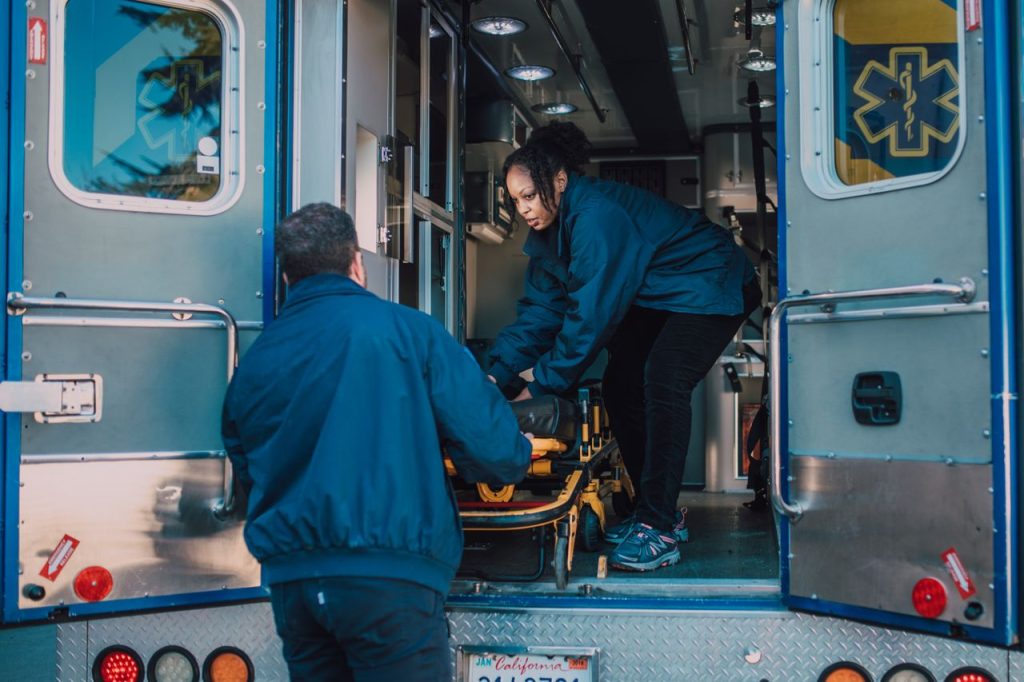
Transportation is often an essential part of a vulnerable adult’s care plan. Whether traveling to a medical appointment, returning home from the hospital, or moving between care facilities, safety should never be treated as an afterthought.
When transportation providers, caregivers, facilities, or contractors fail to follow appropriate safety procedures, preventable injuries can occur.
Families who understand the risks associated with patient transportation are often better equipped to identify warning signs and advocate for safer care.
How Ron Meyers & Associates Helps Families After Transport-Related Injuries
At Ron Meyers & Associates, we represent vulnerable adults and families throughout Olympia, Thurston County, and communities across Washington who have suffered harm because of negligence in healthcare, long-term care, and transportation settings.
If your loved one was injured during a transfer, while riding in a medical transport vehicle, or while being transported by a caregiver or care provider, our legal team can help evaluate the circumstances and determine whether negligence may have played a role.
Contact Ron Meyers & Associates today for a free consultation.
Frequently Asked Questions About Medical Transport Injuries
Can I sue for injuries during medical transport?
Potentially, yes. If a transportation provider, caregiver, facility, or other responsible party acted negligently and caused an injury, the injured individual may have grounds for a legal claim.
Who is liable for transport-related injuries?
Liability depends on the facts of the case. Responsible parties may include transportation companies, nursing homes, assisted living facilities, hospitals, home care agencies, caregivers, vehicle operators, or other entities involved in the transportation process.
What safety standards apply to patient transport?
Transport providers are generally expected to use safe transfer techniques, properly secure wheelchairs and mobility devices, maintain vehicles, provide appropriate supervision, and follow applicable safety procedures designed to protect vulnerable passengers.
How do you prove negligence in a transport injury case?
Evidence often includes incident reports, transportation records, medical records, witness statements, maintenance records, training records, surveillance footage, and documentation showing that reasonable safety procedures were not followed.
Are non-emergency medical transportation companies responsible for passenger safety?
Yes. Non-emergency medical transportation providers generally have a duty to exercise reasonable care when transporting passengers and may be held accountable when preventable injuries result from negligence.
What damages can be recovered after a transport injury?
Depending on the circumstances, compensation may include medical expenses, rehabilitation costs, long-term care expenses, pain and suffering, emotional distress, loss of independence, and wrongful death damages.
What should families do after a transport-related injury?
Seek medical attention immediately, document what occurred, preserve any available records or photographs, report the incident to the appropriate parties, and consider consulting an attorney to evaluate potential legal claims.