
Case Results
Past results do not guarantee future outcomes. Every case is unique.
$900,000
Catastrophic Injury
Teenager suffered a broken neck at a gymnastics facility in western Washington.
$750,000
Catastrophic Injury
Neck fracture and shoulder injuries to wheelchair-bound vulnerable adult in Pierce County.
$609,280
Catastrophic Injury
Career ending injuries for longshoreman in rear end collision in western Washington.
$600,000
Catastrophic Injury
Volunteer worker fell into unmarked pit causing multiple spine and rib fractures in Thurston County.
$540,000
Catastrophic Injury
Subcontractor on timber project felled tree that crushed general contractor’s employee’s foot in Pierce County.
$400,000
Catastrophic Injury, Vehicle Accident
High speed rear end collision on SR512 in Pierce County causing injuries to back, neck and hand. Settled during jury trial.
What Are Severe Fractures & Crush Injuries?
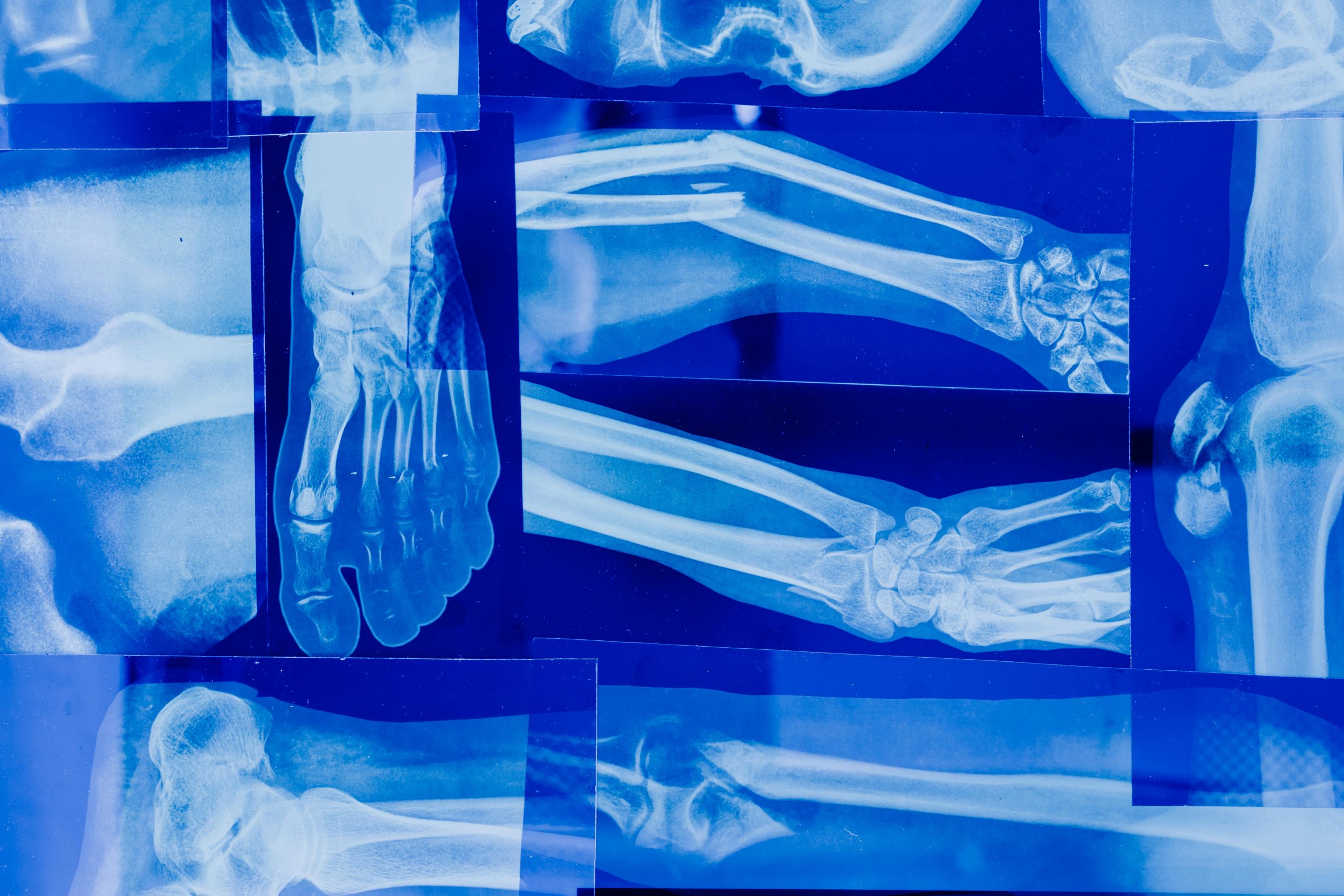
Severe fractures occur when significant trauma breaks, displaces, or shatters bones, sometimes damaging the surrounding nerves, muscles, blood vessels, and tissue. Crush injuries occur when part of the body is trapped or compressed under substantial force. These injuries are common in serious vehicle crashes, construction and industrial accidents, falls, and incidents involving heavy machinery or equipment.
Free Case Evaluation
Common Severe Fractures, Crush Injuries, & Complications
-
Compound, open, or shattered fractures
-
Spinal, pelvic, and hip fractures
-
Multiple fractures
-
Crushed hands, feet, arms, or legs
-
Muscle, nerve, and blood vessel damage
-
Compartment syndrome
-
Infection and tissue damage
-
Multiple or reconstructive surgeries
-
Amputation
-
Chronic pain, impaired mobility, or permanent disability
What Should You Do After a Severe Fracture or Crush Injury?
1.
Get Appropriate Medical Care
Serious fractures and crush injuries can cause internal damage and complications beyond the initial broken bone. Follow recommendations for imaging, surgery, specialist care, rehabilitation, and follow-up treatment.
2.
Preserve Evidence From the Accident
Photographs, accident reports, equipment or vehicle information, surveillance footage, witness statements, and other evidence may help establish how the injury occurred.
3.
Document Your Recovery
Keep records of surgeries, rehabilitation, medications, assistive devices, missed work, and the ways your injury limits your daily activities.
4.
Consider Your Future Needs
Some severe orthopedic injuries lead to additional surgeries, arthritis, chronic pain, mobility limitations, permanent work restrictions, or ongoing medical treatment.
5.
Speak With an Attorney
A serious injury claim should account for the long-term consequences of the trauma, not simply the medical expenses incurred immediately after the accident.
Why Choose Ron Meyers & Associates for Severe Fracture & Crush Injury Cases?
$2.3 Million Construction Crush Injury Recovery
Our results include $2.3 million for a construction worker who suffered a catastrophic, career-ending lower-extremity crushing injury.
Experience With Complex Orthopedic Injuries
We handle serious cases involving multiple fractures, reconstructive surgeries, nerve and tissue damage, amputation, and permanent mobility limitations.
Investigating High-Force Accidents
We examine machinery, vehicles, worksites, equipment, and safety practices to determine what caused the crushing force or traumatic fracture.
NITA Master Advocate
Ron Meyers’ NITA Master Advocate training supports the presentation of complex orthopedic, surgical, disability, and causation evidence in severe fracture and crush injury cases.
Documenting Permanent Work and Earning Losses
We evaluate how chronic pain, reduced mobility, permanent restrictions, and disability affect a client’s ability to return to work and earn income.
Client Reviews
When you’re facing a catastrophic injury, the loss of a loved one, or concerns about the care of a vulnerable adult, choosing the right legal team matters. Hear from clients and families who trusted Ron Meyers & Associates to guide them through some of life’s most difficult moments.


Frequently Asked Questions About Severe Fractures & Crush Injuries
What makes a fracture a catastrophic injury?
A fracture may be catastrophic when it causes extensive tissue damage, requires multiple surgeries, results in permanent impairment, or significantly affects a person's ability to work or live independently.
What commonly causes severe fractures and crush injuries?
Serious vehicle crashes, construction accidents, heavy machinery incidents, falls from heights, industrial accidents, collapsing materials, and other high-force events can cause severe fractures and crush injuries.
Can a crush injury cause permanent damage?
Yes. Severe compression can damage muscles, nerves, blood vessels, and other tissue, potentially causing chronic pain, loss of function, permanent disability, or amputation.
What compensation may be available after a severe fracture or crush injury?
Depending on the circumstances, compensation may address medical treatment, future care, lost wages, diminished earning capacity, pain and suffering, permanent disability, and other losses.
What if I cannot return to my previous job?
If permanent physical limitations prevent you from returning to your prior occupation, the effect on your future earning capacity may become an important part of your injury claim.
Can I pursue a claim if my crush injury happened at work?
Workers' compensation may apply, and some accidents may also support a separate third-party claim against a contractor, equipment manufacturer, property owner, or another responsible party.
How long do I have to file a severe injury claim in Washington?
Deadlines vary depending on how the injury occurred and who may be responsible. Prompt legal guidance can help protect your rights and preserve important evidence.
Talk With a Washington Severe Fracture & Crush Injury Attorney
If you or someone you love suffered severe fractures or crushing injuries because of another party's negligence, Ron Meyers & Associates can help investigate what happened and pursue compensation for the injury's immediate and long-term consequences.