

Most people associate vulnerable adult abuse with nursing homes. While abuse and neglect in long-term care facilities remain serious concerns, many Washington families are surprised to learn that the state’s Vulnerable Adult Protection Act extends far beyond nursing homes.
If you’re unfamiliar with the law itself, our overview of Washington’s Vulnerable Adult Protection Act explains the legal framework, who qualifies as a vulnerable adult, and the protections the statute provides. This article focuses on a different question: the many situations in which the Act may apply, including circumstances that occur outside traditional nursing home settings.
Vulnerable adults can suffer abuse, neglect, abandonment, or financial exploitation in assisted living communities, adult family homes, memory care facilities, hospitals, rehabilitation centers, and even in their own homes. In some cases, the person causing harm may not be a professional caregiver at all. Family members, trusted friends, financial advisors, or others in positions of trust may also exploit vulnerable adults.
Understanding when Washington’s Vulnerable Adult Protection Act applies can help families recognize warning signs, protect loved ones, and take action before serious harm occurs.
What Is Washington’s Vulnerable Adult Protection Act?
Washington’s Vulnerable Adult Protection Act (VAPA) is designed to protect adults who may be unable to fully protect themselves because of age, disability, illness, cognitive impairment, or dependency on others for care.
The law provides legal protections for vulnerable adults, establishes mandatory reporting requirements for certain professionals, authorizes investigations by Adult Protective Services (APS), and allows courts to issue protection orders and other remedies when abuse or exploitation occurs.
The goal of the Act is simple: protect vulnerable adults from harm and provide legal tools to stop abuse before it escalates.
Who Is Considered a Vulnerable Adult in Washington?
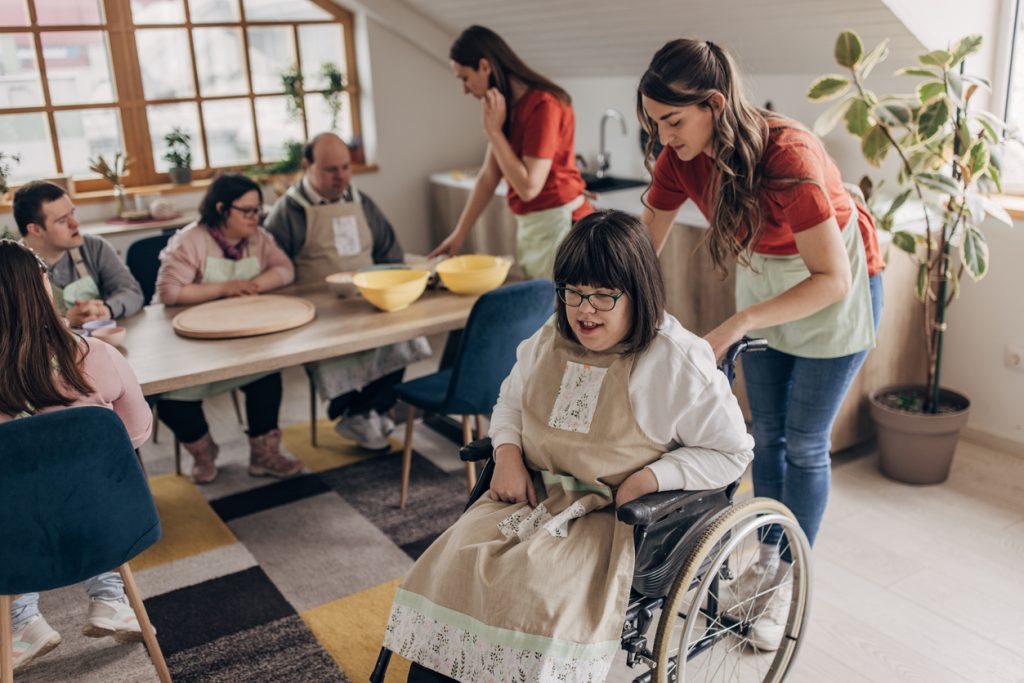
Many people assume the law only protects elderly nursing home residents. In reality, the definition is much broader.
A vulnerable adult may include:
- Older adults who cannot adequately care for themselves
- Individuals living with Alzheimer’s disease or dementia
- Adults with developmental disabilities
- Adults with physical disabilities
- Individuals receiving home health or hospice services
- Residents of nursing homes, assisted living facilities, memory care facilities, and adult family homes
- Adults receiving services from licensed care providers
Because the law covers such a wide range of circumstances, abuse can occur in many different settings.
The Most Common Forms of Vulnerable Adult Abuse
Neglect
Neglect is one of the most frequently reported forms of vulnerable adult mistreatment.
Neglect occurs when a caregiver, facility, or responsible party fails to provide necessary care, supervision, food, hydration, hygiene, medical treatment, or assistance with daily living activities.
Examples may include:
- Untreated bedsores
- Malnutrition or dehydration
- Failure to administer medications
- Inadequate supervision leading to falls
- Unsanitary living conditions
- Delayed medical treatment
Neglect often develops gradually, making it difficult for family members to recognize until significant harm has already occurred.
Emotional and Psychological Abuse
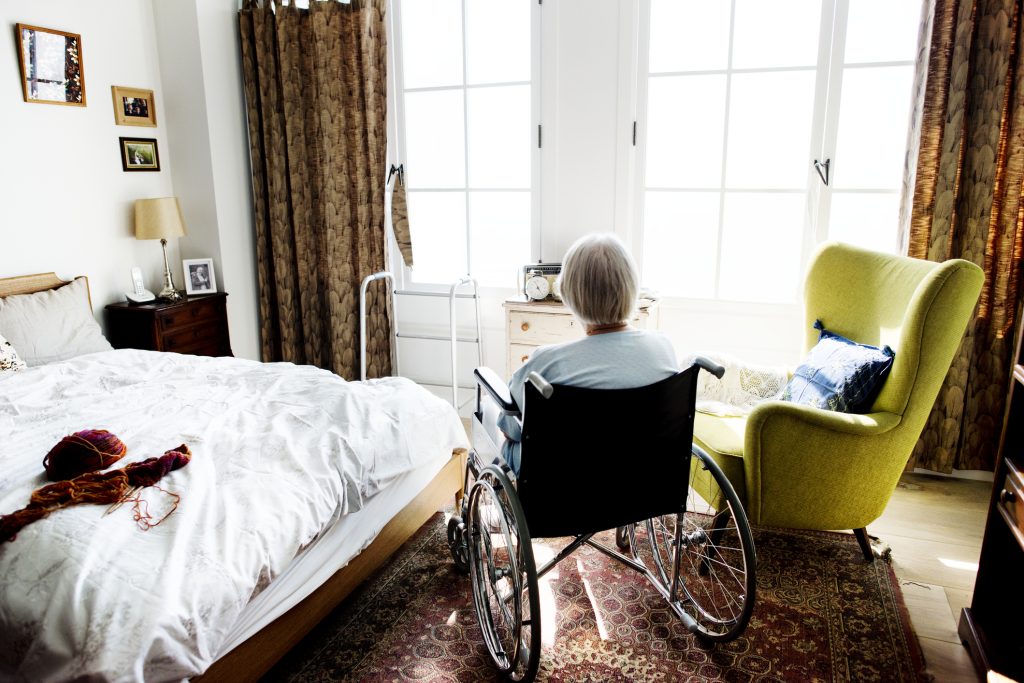
Not all abuse leaves visible injuries.
Emotional abuse can be especially devastating for vulnerable adults who depend on others for daily care and support.
Examples may include:
- Verbal intimidation
- Threats
- Humiliation
- Ridicule
- Isolation from family and friends
- Harassment
- Excessive control over personal decisions
Family members may notice sudden personality changes, increased anxiety, withdrawal, depression, fearfulness around certain caregivers, or unexplained emotional distress.
In residents with dementia or cognitive impairments, emotional abuse is often overlooked because behavioral changes may be incorrectly attributed to the underlying medical condition.
Financial Exploitation Is Increasingly Common
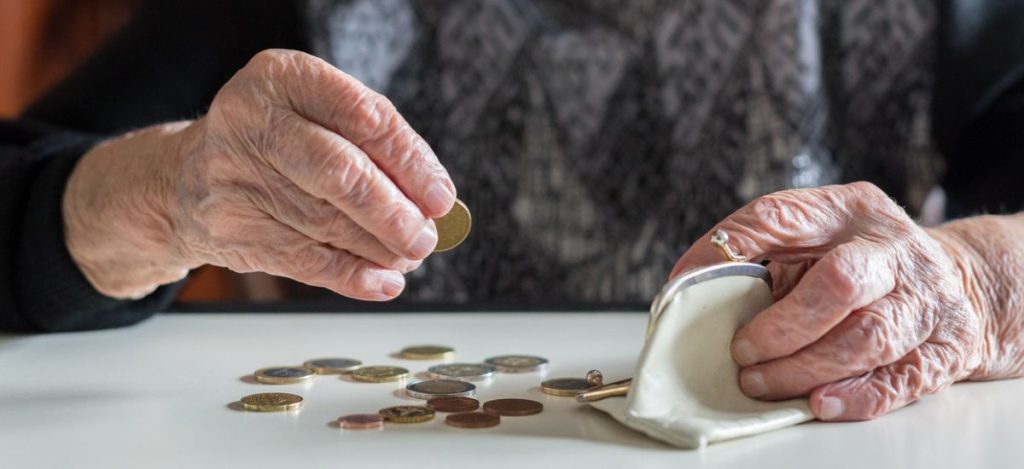
One of the fastest-growing threats facing vulnerable adults today is financial exploitation.
Financial abuse can occur when someone improperly uses a vulnerable adult’s money, property, assets, or financial authority for personal gain.
Examples may include:
- Unauthorized withdrawals
- Misuse of a power of attorney
- Pressuring someone to change estate plans
- Forging signatures
- Coercing gifts or transfers
- Identity theft
- Unauthorized use of credit cards or bank accounts
Unfortunately, financial exploitation is often committed by individuals who have gained the trust of the vulnerable adult, including relatives, caregivers, acquaintances, or other trusted individuals.
Warning signs may include unexplained financial transactions, sudden changes to legal documents, missing possessions, unpaid bills despite available funds, or unusual secrecy surrounding financial matters.
Vulnerable Adult Abuse Can Happen Outside Care Facilities
Many people assume abuse only occurs in nursing homes or assisted living facilities.
However, some of the most serious cases arise in private residences.
Home-based abuse may involve:
- Family caregivers
- In-home care aides
- Friends providing assistance
- Individuals with access to finances
- Neighbors or acquaintances who exert influence over vulnerable adults
Because there may be less oversight in home environments than in licensed facilities, abuse can continue undetected for extended periods.
Regular communication and involvement by family members can play an important role in identifying concerns early.
Warning Signs Families Should Never Ignore
While every situation is different, several common warning signs may indicate abuse, neglect, or exploitation.
Watch for:
- Unexplained injuries
- Frequent falls
- Weight loss
- Poor hygiene
- Bedsores
- Fearfulness around caregivers
- Sudden behavioral changes
- Isolation from family members
- Missing money or valuables
- Unpaid bills
- Medication errors
- Unsafe living conditions
One warning sign alone may not prove abuse is occurring. However, patterns of concerning behavior should be taken seriously.
What Happens When Adult Protective Services Gets Involved?
Adult Protective Services (APS) investigates reports involving vulnerable adults who may be experiencing abuse, neglect, abandonment, self-neglect, or financial exploitation.
Depending on the circumstances, APS may:
- Conduct interviews
- Review medical records
- Assess living conditions
- Coordinate services
- Work with healthcare providers
- Refer matters to law enforcement
An APS investigation can be an important first step toward protecting a vulnerable adult and preventing additional harm.

Can Families Bring a Civil Claim?
Yes.
In addition to government investigations and criminal proceedings, vulnerable adults and their families may have the right to pursue civil claims against individuals, facilities, agencies, or organizations responsible for abuse or neglect.
A civil claim may seek compensation for:
- Medical expenses
- Pain and suffering
- Emotional distress
- Financial losses
- Relocation costs
- Wrongful death damages when abuse or neglect results in a fatality
The facts of each case are unique, making it important to evaluate potential legal options as early as possible.
Protecting Vulnerable Adults Requires Vigilance
The Washington Vulnerable Adult Protection Act recognizes an important reality: abuse does not only occur in nursing homes.
Whether a vulnerable adult lives in an assisted living community, adult family home, memory care facility, rehabilitation center, hospital, or private residence, they deserve to be treated with dignity, respect, and compassion.
Families who understand the warning signs of abuse, neglect, and exploitation are often in the best position to identify problems early and help protect their loved ones from further harm.
How Ron Meyers & Associates Helps Families Protect Vulnerable Adults
At Ron Meyers & Associates, we represent vulnerable adults and families throughout Olympia, Thurston County, and communities across Washington who have suffered harm due to abuse, neglect, financial exploitation, inadequate supervision, or other forms of misconduct.
If you believe a loved one has been harmed in a nursing home, assisted living facility, adult family home, memory care facility, hospital, rehabilitation center, or home care setting, our legal team can help you understand your rights and options.
Contact Ron Meyers & Associates today for a free consultation.

Frequently Asked Questions About Washington’s Vulnerable Adult Protection Act
Does the Vulnerable Adult Protection Act only apply to nursing homes?
No. The Act applies in many settings, including assisted living facilities, adult family homes, memory care facilities, hospitals, rehabilitation centers, and private residences where vulnerable adults receive care or assistance.
What is considered vulnerable adult abuse in Washington?
Vulnerable adult abuse can include physical abuse, emotional abuse, neglect, abandonment, sexual abuse, financial exploitation, intimidation, isolation, or other conduct that causes harm to a vulnerable adult.
Can a family member be liable for vulnerable adult abuse?
Yes. Abuse and exploitation are not limited to professional caregivers. Family members, friends, fiduciaries, or anyone in a position of trust may be held accountable if they harm or exploit a vulnerable adult.
How do I report suspected vulnerable adult abuse in Washington State?
Concerns may be reported to Adult Protective Services. If the vulnerable adult is in immediate danger or a crime has occurred, contact local law enforcement or call 911 immediately.
What are signs of financial exploitation of a vulnerable adult?
Common signs include unexplained withdrawals, unusual transfers of property, changes to estate planning documents, missing valuables, unpaid bills, sudden involvement of new individuals in financial decisions, and misuse of powers of attorney.
Can I sue a nursing home or care facility for neglect?
In many situations, yes. If a facility’s negligence causes injuries, illness, financial losses, or wrongful death, the vulnerable adult or family members may have legal claims against the responsible parties.
What should I do if I suspect emotional abuse of a vulnerable adult?
Document your concerns, speak with your loved one if possible, report suspected abuse to the appropriate authorities, and seek legal guidance if you believe the abuse has caused harm or places the vulnerable adult at ongoing risk.