
Case Results
Past results do not guarantee future outcomes. Every case is unique.
$900,000
Catastrophic Injury
Teenager suffered a broken neck at a gymnastics facility in western Washington.
$750,000
Catastrophic Injury
Neck fracture and shoulder injuries to wheelchair-bound vulnerable adult in Pierce County.
$609,280
Catastrophic Injury
Career ending injuries for longshoreman in rear end collision in western Washington.
$600,000
Catastrophic Injury
Volunteer worker fell into unmarked pit causing multiple spine and rib fractures in Thurston County.
$540,000
Catastrophic Injury
Subcontractor on timber project felled tree that crushed general contractor’s employee’s foot in Pierce County.
$400,000
Catastrophic Injury, Vehicle Accident
High speed rear end collision on SR512 in Pierce County causing injuries to back, neck and hand. Settled during jury trial.
What Is a Traumatic Brain Injury?
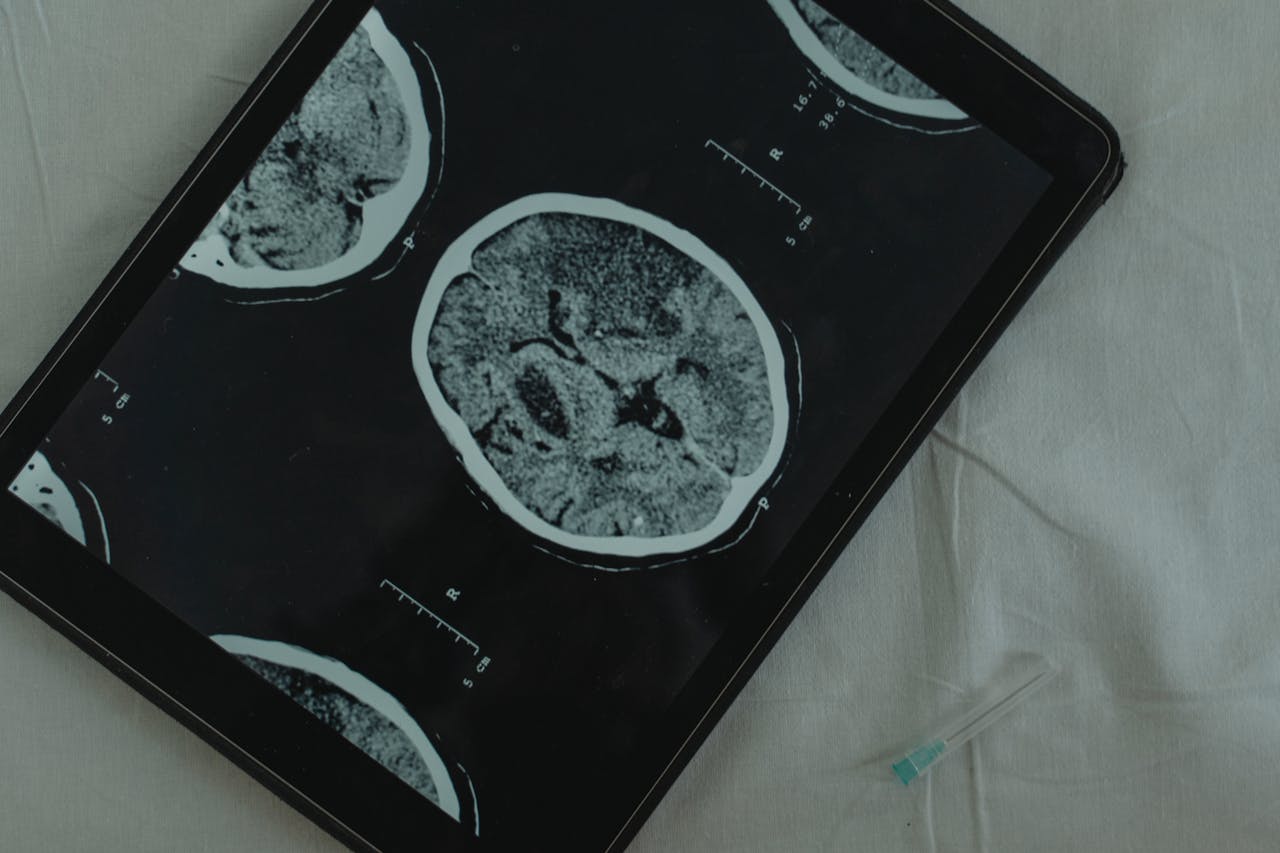
A traumatic brain injury, or TBI, occurs when an external force damages or disrupts normal brain function. TBIs range from concussions to severe brain injuries that result in permanent cognitive, physical, behavioral, or emotional impairments.
Traumatic brain injuries can result from high-impact vehicle crashes, motorcycle and bicycle accidents, pedestrian collisions, falls from heights, construction and workplace accidents, assaults, unsafe property conditions, and explosions or blast events. One of the challenges with brain injuries is that their effects are not always immediately apparent. Symptoms may emerge or become more noticeable in the days and weeks following an accident, and conventional imaging does not necessarily show the full impact of the injury on cognition, behavior, communication, work, or daily life.
Free Case Evaluation
Common Traumatic Brain Injury Symptoms & Long-Term Effects
-
Persistent headaches
-
Memory loss or difficulty concentrating
-
Confusion or slowed thinking
-
Dizziness, balance, or coordination problems
-
Changes in mood, personality, or behavior
-
Depression, anxiety, or emotional regulation problems
-
Vision, hearing, or other sensory changes
-
Sleep disturbances
-
Difficulty speaking or communicating
-
Seizures, weakness, or other physical impairments
-
Reduced ability to work or live independently
-
Permanent cognitive, behavioral, or neurological impairment
What Should You Do After a Suspected Traumatic Brain Injury?
1.
Seek Medical Care
Brain injury symptoms may be subtle or delayed. Prompt evaluation can help identify the injury and establish an appropriate treatment plan.
2.
Track Changes and Symptoms
Keep notes about headaches, memory problems, sleep disturbances, mood changes, difficulty concentrating, and other symptoms. Family members may also notice changes the injured person does not recognize.
3.
Follow Recommended Treatment
Neurological evaluations, rehabilitation, cognitive therapy, physical therapy, or other treatment may be necessary depending on the injury.
4.
Document How the Injury Affects Daily Life
Brain injuries can affect employment, relationships, independence, communication, and everyday activities. Those changes may become important when evaluating the full impact of the injury.
5.
Speak With an Attorney
A TBI claim requires more than proving that an accident happened. The evidence must also demonstrate how the brain injury has changed the person's life and what effects may continue into the future.
Why Choose Ron Meyers & Associates for Traumatic Brain Injury Cases?
Million-Dollar Traumatic Brain Injury Results
Our published results include a $1.5 million recovery involving traumatic brain injury and a $600,000 recovery involving concussion-mild brain injury.
Documenting Brain Injuries That May Not Be Visible
We use medical records, neuropsychological testing, family and coworker observations, and functional evidence to show cognitive, behavioral, emotional, and communication changes that imaging alone may not capture.
NITA Master Advocate
TBI cases can require explaining neurological evidence, neuropsychological findings, future care needs, and expert testimony in understandable terms; Ron Meyers earned the NITA Master Advocate designation recognizing advanced courtroom advocacy.
Building Claims for Lost Earning Capacity
We evaluate how memory problems, impaired concentration, communication difficulties, behavioral changes, and other TBI effects may limit a client’s ability to return to work or maintain previous earnings.
Accounting for Long-Term Treatment and Support
We consider future neurological care, cognitive rehabilitation, therapy, personal assistance, supervision, and other needs that may continue for years after a serious brain injury.
Client Reviews
When you’re facing a catastrophic injury, the loss of a loved one, or concerns about the care of a vulnerable adult, choosing the right legal team matters. Hear from clients and families who trusted Ron Meyers & Associates to guide them through some of life’s most difficult moments.


Frequently Asked Questions About Traumatic Brain Injuries
How do I know if I have a traumatic brain injury?
Symptoms can include headaches, dizziness, confusion, memory problems, difficulty concentrating, mood or personality changes, sleep problems, sensory changes, and physical impairments. A medical professional should evaluate suspected brain injuries.
Can I have a TBI even if my CT scan or MRI is normal?
A brain injury may not always be fully reflected by conventional imaging. Diagnosis can involve symptoms, neurological examinations, cognitive testing, medical history, and other clinical evidence.
What are the long-term effects of a traumatic brain injury?
Long-term effects vary significantly. Some people experience persistent problems with memory, concentration, communication, mood, balance, sensory processing, or their ability to work and live independently.
What evidence is important in a TBI case?
Medical records are important, but they may be only part of the evidence. Neuropsychological evaluations, employment records, testimony from family and coworkers, treatment records, and documentation of changes in daily functioning may help demonstrate the injury's impact.
What compensation may be available?
Depending on the circumstances, compensation may include medical expenses, future treatment, rehabilitation, lost wages, diminished earning capacity, pain and suffering, personal assistance, and other losses caused by the injury.
What if my brain injury prevents me from returning to work?
Loss of earning capacity may become a significant part of the claim. Evaluating that loss may require considering your occupation, skills, education, limitations, and ability to work in the future.
How long do I have to file a traumatic brain injury claim?
Washington law imposes deadlines that vary based on the type of claim and parties involved. Because brain injury symptoms may develop over time, it is important to seek legal guidance promptly rather than assuming a particular deadline applies.
Talk With a Washington Traumatic Brain Injury Attorney
If you or someone you love suffered a traumatic brain injury because of another person's negligence, Ron Meyers & Associates can help you understand your legal options and what the injury may mean for your future.