


Navigating Washington’s roadways means moving between busy city streets and rain-swept rural highways, each with its own risks. The scenery may be beautiful, but changing conditions and heavy traffic make it important to stay alert. So where do most car accidents happen? Whether you’re new to the Evergreen State or have lived here for years, understanding where crashes are more likely can help you better protect yourself and your passengers.
Traffic incidents in the Pacific Northwest follow clear trends tied to infrastructure and driver behavior. Data from the Washington State Department of Transportation (WSDOT) indicates that our state reports roughly 100,000 crashes every year. At Ron Meyers and Associates, our team of car accident injury attorneys understand that these aren’t just statistics. They represent thousands of neighbors dealing with everything from a simple insurance claim to a life-altering medical recovery.
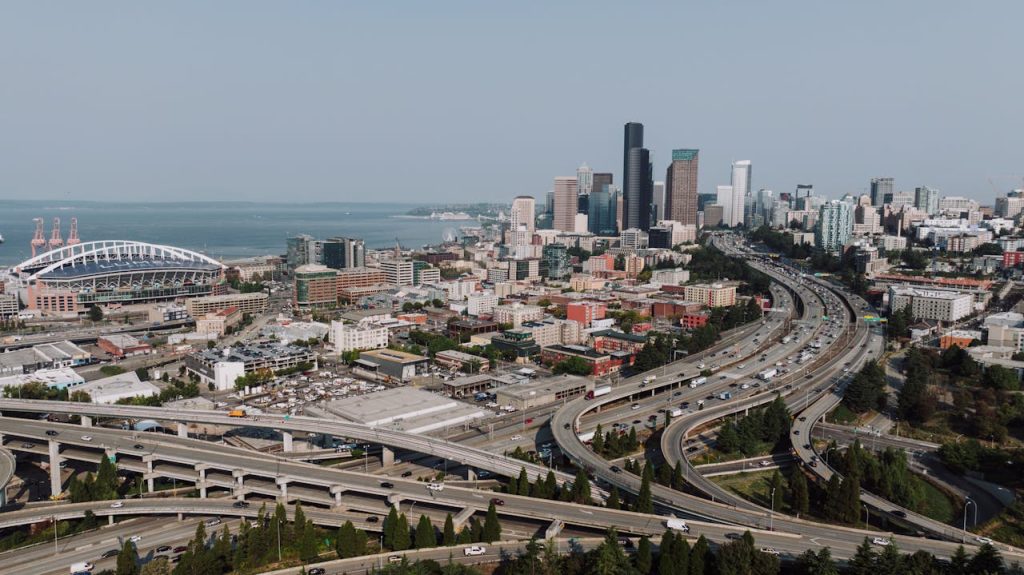
Mapping Washington’s High-Risk Roadways and Accident Hotspots
While traffic accidents occur across the entire state, the highest concentrations are predictably centered in Washington’s most populous regions, particularly along I-5 corridor and Puget Sound. Recent 2024–2025 data shows King, Pierce, and Snohomish counties account for nearly half of the state’s fatal and serious injury crashes.
High-Risk Urban Corridors: In the Seattle metro area, Interstate 5 (specifically between South Dearborn St and NE 145th St) is cited as the state’s deadliest highway segment. Other high-incidence zones include:
- SR-99 (Aurora Avenue): A high-risk surface street due to speed and heavy pedestrian traffic.
- Interchanges: The I-405 and SR-167 junction is a major hotspot for passenger and commercial vehicle collisions.
- SR-522: Known as the “Highway of Death” due to its dangerous geography and lack of dividers.
Regional Hotspots: Outside Seattle, Spokane and Yakima are significant outliers. In Yakima, the intersections of 16th Avenue at Nob Hill Boulevard and Lincoln Avenue see high crash frequencies caused by heavy volume and failure to yield.
Distribution by Road Type: While city streets are where car accidents happen most, the majority of fatalities occur on state highways and rural roads. The WTSC notes that higher speeds and longer emergency response times in rural areas increase the severity of these outcomes.
Navigating these zones requires constant vigilance to avoid life-altering collisions. If you are involved in a crash in one of these areas, consulting an experienced vehicle accident lawyer can help you secure the compensation you deserve.

Understanding Common Collision Types and Legal Recourse
Navigating Washington’s high-traffic zones requires more than just defensive driving; it requires an awareness of the specific risks that lead to serious injuries. While recent 2025 data from the Washington Traffic Safety Commission (WTSC) shows a slight dip in overall crash volumes, the frequency of severe injuries remains alarmingly high within several key categories:
- Rear-End Collisions: Accounting for 70–80% of injury crashes, these are most common in congested areas like the I-5 corridor due to distracted driving.
- Angle (T-Bone) Crashes: Though less frequent than rear-end hits, these are the leading cause of death in multi-vehicle accidents, especially at busy urban intersections.
- Impaired & Speeding Accidents: Substance use and speeding contribute to nearly 50% of all traffic fatalities across the state.
- Vulnerable Road Users: Pedestrians and motorcyclists represent a small fraction of total crashes but a disproportionately high percentage of fatal outcomes.
Knowing your rights is the first step toward recovery. Because Washington’s comparative fault laws and insurance negotiations are complex, many residents consult a personal injury lawyer in Washington to ensure they receive fair compensation for medical bills and lost wages.
Securing Your Recovery with Ron Meyers and Associates
Whether a collision is a minor “fender bender” or a catastrophic loss, Washington’s complex liability laws make professional legal guidance a critical asset. For minor injuries like whiplash, Ron Meyers and Associates ensures that delayed medical complications are fully accounted for before you settle with an insurance company.
In the most devastating circumstances, the legal burden can be overwhelming for a grieving family. If you’ve lost a loved one due to someone else’s negligence, a wrongful death attorney from our team is essential for navigating strict state requirements and valuing intangible losses like companionship and future support. Ultimately, our legal counsel levels the playing field against insurance adjusters, protecting your recovery while you focus on healing. Contact us today for a free consultation.

FAQ
Where do car accidents happen most? Most occur in high-density urban areas and intersections. In Washington, cities like Seattle, Tacoma, and Vancouver see the highest volumes, often resulting in “T-bone” or rear-end collisions due to complex traffic patterns.
Are accidents more common on highways or local roads? While highways like I-5 see high-speed crashes, accidents are extremely frequent on local roads. Non-interstate roads have high collision rates due to frequent stops and distractions, though highway incidents often cause more severe injuries.
Why do many accidents happen close to home? Drivers often switch to “autopilot” in familiar surroundings. This leads to a lapse in vigilance, making motorists more susceptible to distractions or failing to scan for hazards as carefully as they would elsewhere.
What types of roads see the highest number of crashes? Urban arterials and collector roads see the most incidents. In Washington, state routes that serve as “Main Streets” through towns account for a large share of the state’s serious injury crashes.
What factors make certain locations more dangerous? High traffic volume is the primary factor, but poor lighting and complex lane configurations also increase risk. In Washington, wet or icy weather frequently turns standard intersections into high-risk zones.