

When a crash is caused by a part that didn’t do its job, brakes that fail, a tire blowout, a steering component that snaps, the question becomes: who is legally responsible? Vehicle crashes caused by mechanical failures happen when a part or system in the car stops working the way it’s supposed to. When something essential, like the brakes, steering, or suspension, fails, a driver can suddenly lose control of the vehicle. That loss of control can make it impossible to steer, slow down, or stop, turning the car into a dangerous, uncontrollable hazard.
In Washington, liability can fall on several parties depending on why the failure happened and who had the duty to prevent it, whether that was a negligent driver who failed to maintain their vehicle, a repair shop that made an error, or a manufacturer who sold a defective product.
If you are thinking of filing a mechanical failure car accident claim, knowing the essential steps to protect your rights is the first step in recovering the damages and compensation that you deserve.
Your Legal Rights After a Mechanical Failure Crash
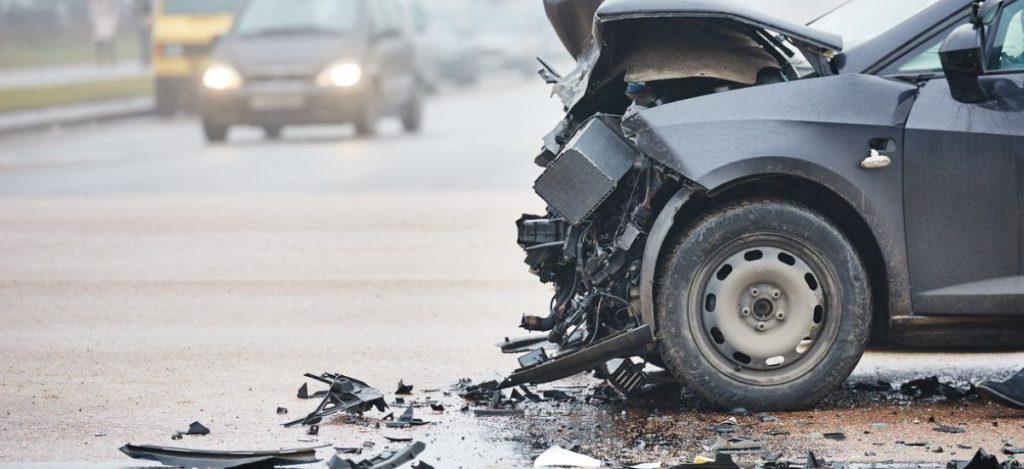
Understanding your legal rights as a car crash victimis the first step toward recovery, especially when mechanical failure is suspected. The framework established by Washington’s vehicle safety statutes and the Washington Product Liability Act (WPLA) allows you to pursue claims against all responsible entities.
Potential liable parties could include:-
- Negligent Drivers or Owners: For failing to properly maintain their vehicle (e.g., ignoring maintenance warnings or driving on unsafe tires).
- Manufacturers and Sellers of Defective Parts: Under the WPLA, if a design or manufacturing defect caused the failure.
- The Repair Shop or Seller: A shop that performed substandard repairs or a dealer who sold a vehicle with a known, unaddressed defect can be held liable under negligence or, in some cases, the WPLA.
Crucially, Washington follows a comparative fault rule, meaning your ability to recover compensation is not barred, even if you share some percentage of the blame. Your total compensation is simply reduced by your determined percentage of fault, emphasizing the need for a precise investigation.
Critical Steps to Protect Your Claim
The evidence in a mechanical failure case is often the physical, failed part itself, so quick action is important. After a crash involving suspected mechanical failure, you should:
- Seek Medical Care Immediately: Your health is paramount. Medical attention (and the documentation they provide) creates an undeniable link between the crash and your injuries, which is essential for any claim.
- Preserve the Vehicle and Failed Parts: The most critical evidence is the car itself. You must notify the tow yard, repair shop, and/or insurer not to move, repair, or dispose of the vehicle or any failed component (like a brake line or steering component). This part is the key exhibit for expert inspection.
- Document the Scene and Vehicle: Photograph everything: the position of the vehicles, tire marks, fluid leakage, warning lights that may have been lit on the dash, and the suspected failed component (e.g., tire tread depth, broken linkage).
- Gather All Records: Collect every piece of documentation related to the vehicle’s history, including maintenance records, prior repair invoices, tire purchase receipts, and any recall letters received.
- Consult Experienced Counsel: Given the complex laws governing mechanical failure car accident claims, specifically the WPLA and comparative fault rules, it is vital to speak with a personal injury attorney Olympia who works in vehicle defect cases to properly investigate and manage your claim within Washington’s legal deadlines.
Building Catastrophic Injury Claims
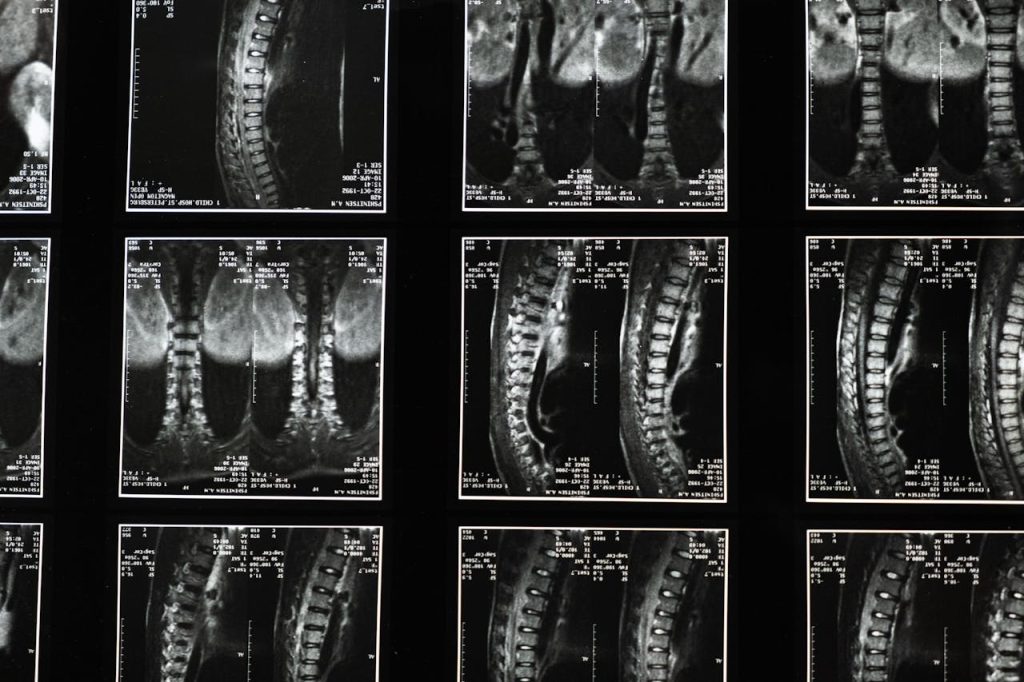
Crashes involving sudden mechanical failure, especially at highway speeds, frequently result in devastating, life-altering trauma. Catastrophic injury claims may involve traumatic brain injuries (TBI), spinal cord damage, severe fractures, or burns. Getting full compensation in these cases takes more than showing someone was negligent—it requires strong evidence and a thorough investigation to back up your claim.
Protecting the Legal Rights of Car Crash Victims
Washington law allows car crash victims to pursue compensation from any negligent party, including other drivers, repair shops, or vehicle manufacturers. Because the state gives you only three years to file most injury and product liability claims, it’s important to act quickly. Evidence can disappear fast, and manufacturers often begin their own investigations right away to shift responsibility.
If you or someone you love was seriously hurt because of a possible vehicle defect or malfunction, don’t wait to get help. An experienced attorney can walk you through the process, investigate who may be at fault under both negligence and the strict liability rules of the WPLA, protect critical vehicle evidence, work with forensic engineers to determine what went wrong, and deal with corporate defendants on your behalf, giving you the best chance to recover the compensation you deserve.
How Ron Meyers and Associates Can Help with Your Vehicle Defect Claim

At Ron Meyers and Associates, we handle defective vehicle lawsuits in Washington with the care and determination our clients deserve. When a crash involves mechanical failure or the negligence of major manufacturers, the legal process can quickly become complex. As your attorney in Olympia, we have the resources to collaborate with forensic engineers, accident reconstruction professionals, and industry experts to build strong, evidence-based cases. We pursue accountability under Washington’s Product Liability Act (WPLA) and hold manufacturers, distributors, and insurers to the highest standards of responsibility.
We understand how devastating catastrophic injuries can be for victims and their families. Our goal is to secure full and fair compensation for every loss, medical expenses, future care needs, lost income, and the lasting personal impact of a serious crash.
If you or someone you love was injured in a mechanical failure accident, contact Ron Meyers and Associates for a consultation. We’ll review your case, explain your legal options, and help you take the next steps toward recovery and justice.
FAQ’S
Who is responsible when a car accident is caused by mechanical failure?
Liability may fall on multiple parties, including the vehicle owner, a negligent repair shop, or a manufacturer, depending on whether poor maintenance, defective parts, or improper repairs caused the failure.
Can I file a claim if my vehicle’s mechanical failure contributed to the crash?
Yes. Under Washington’s pure comparative fault system, you can still recover compensation even if you share some blame. Your damages are simply reduced by your percentage of fault.
What is the Washington Product Liability Act (WPLA), and how does it apply?
The WPLA governs claims against manufacturers, distributors, and sellers of defective vehicle components. If a design flaw, manufacturing defect, or failure to warn caused the part to fail, you may bring a product liability claim.
What evidence is most important in a mechanical failure accident claim?
The failed part itself is crucial. Preservation of the vehicle, maintenance records, photographs, expert inspections, and recall documentation all play key roles in proving what went wrong.
Should I allow the tow yard or insurance company to repair or dispose of my vehicle?
No. Never allow repairs or disposal before an attorney or expert examines the vehicle. Losing the failed part can severely weaken or destroy your claim.
How long do I have to file a mechanical failure accident claim in Washington?
Most personal injury and product liability claims must be filed within three years under RCW 4.16.080. Delays can jeopardize evidence and your ability to recover compensation.
Do I need a lawyer for a mechanical failure car accident claim?
Yes. These cases often involve complex technical issues, corporate defendants, and competing investigations. An attorney can preserve evidence, work with engineers, determine liability, and negotiate with insurers or manufacturers.