


For motorcyclists, navigating Washington’s roads, especially during heavy traffic, can present unique challenges. The temptation to bypass gridlock is strong, leading to questions about the legality of certain riding practices. While terms like “lane splitting” and “lane weaving” are often used interchangeably, they refer to different actions with distinct legal consequences. Understanding the difference is crucial for every rider’s safety and legal standing in Washington State.
Lane Splitting: Laws for Motorcyclists
Lane splitting is a practice where a motorcyclist rides between two lanes of traffic, usually in a straight line, to get through a traffic jam. While it is legal in some states, like California, motorists find themselves asking, Is Lane Splitting Legal in Washington State? The short answer is no. To clarify, Washington law, specifically RCW 46.61.608, explicitly states, “No person shall operate a motorcycle between lanes of traffic or between adjacent lines or rows of vehicles.” This means that riding a motorcycle on the painted line between two lanes of moving or stopped traffic is prohibited. The practice of lane splitting in Washington State is therefore illegal.
There have been legislative efforts to change this, but as of now, the law remains clear. Violating this rule can lead to a traffic citation and may complicate a personal injury claim if the motorcycle rider is in an accident.

Understanding Lane Weaving and its Dangers
While lane splitting is a specific action, weaving lanes refers to a more general practice of changing lanes frequently and often aggressively to move through traffic. This can be more dangerous than lane splitting, as it involves rapid and unpredictable movements that other drivers may not anticipate.
Washington law treats motorcycles as vehicles with the same rights and responsibilities as cars. This means a motorcyclist is entitled to a full lane and must adhere to all traffic laws regarding lane changes. Weaving in and out of lanes without signaling or without a clear path can be considered reckless driving, which carries more severe penalties than a simple lane splitting citation. It increases the risk of a collision and can be a significant factor in determining fault after a motorcycle accident.
Washington Motorcycle Traffic Laws: A Broader Look
In Washington, motorcyclists are entitled to the full use of a lane, and drivers of other vehicles are prohibited from crowding them. While Washington motorcycle traffic laws permit two motorcycles to ride side-by-side in a single lane, they cannot pass another vehicle within that same lane unless it is a bicyclist or pedestrian.
This shared-lane dynamic, especially when combined with the illegal practice of lane splitting, can often create tension between car drivers and motorcyclists. For many drivers, a motorcyclist weaving through lanes feels unpredictable and dangerous, leading to frustration and even aggressive behavior. From a motorcyclist’s perspective, however, WA lane weaving is often a safety measure to escape the vulnerability of stop-and-go traffic. This fundamental difference in viewpoint—drivers seeing “line cutting” and riders seeking safety—is a major source of conflict on Washington roads.
Do Bicyclists Have to Obey Traffic Laws?
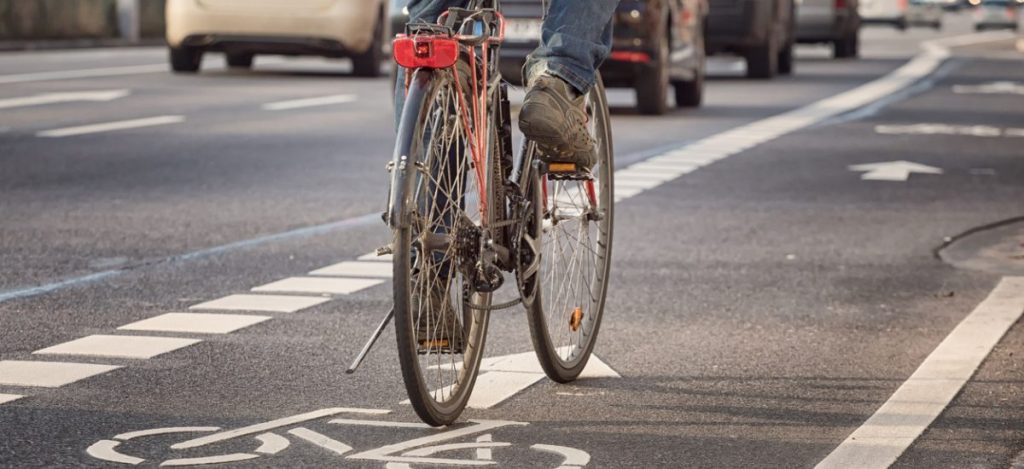
It’s worth noting that bicycle laws in Washington State are distinct from those for motorcycles. Bicyclists are generally granted the same rights and responsibilities as vehicle drivers but can also operate on sidewalks and crosswalks where permitted by local ordinances. The law also gives bicyclists the flexibility to ride on the shoulder, bike lane, or travel lane as they see fit for their safety.
This leads some to ask, can you split lanes in Washington if you’re on a bike? Even with this flexibility, the practice of weaving between lanes to pass other vehicles is illegal for bicyclists, just as it is for motorcycles. If you are in a bike accident and are accused of breaking traffic laws when you were following the state bicycle laws, seeking counsel from a bicycle accidents attorney can guide you through the legal process and strengthen your defense.
The Hidden Risk of Motorcycle Riding
There are two unique factors that put motorcyclists at a higher risk for accidents: Visibility and vulnerability. Unlike a car’s enclosed cabin, a motorcycle offers no physical protection, making riders much more vulnerable to injury. A minor fender-bender for a car could be a serious or even fatal collision for a motorcyclist.
Motorcycles are significantly smaller than cars and trucks, making them harder for other drivers to see. This lack of visibility is a well-documented factor in many multi-vehicle motorcycle crashes. A driver who doesn’t see a motorcyclist is more likely to cause an accident and may not even realize they’ve hit someone. A hit and run accident attorney can help you seek justice and compensation for your injuries.

The Benefit of Legal Representation
If you are involved in a motorcycle accident, the situation can become legally complicated. This is where having a dedicated motorcycle accidents attorney becomes crucial.
At Ron Meyers and Associates, our attorneys have a comprehensive understanding of Washington motorcycle traffic laws and will work to protect your rights. We will investigate the accident, gather evidence, and present a compelling case to ensure that even if you were ticketed for an illegal maneuver, you are not unfairly blamed for the collision.
If you are injured in a motorcycle accident, our personal injury lawyers are committed to helping you receive the full and fair compensation you are entitled to under the law. If you have questions about your rights or were involved in an accident, contact Ron Meyers and Associates to learn how we can help you.