


Understanding Firefighter Injuries and Legal Options in Washington
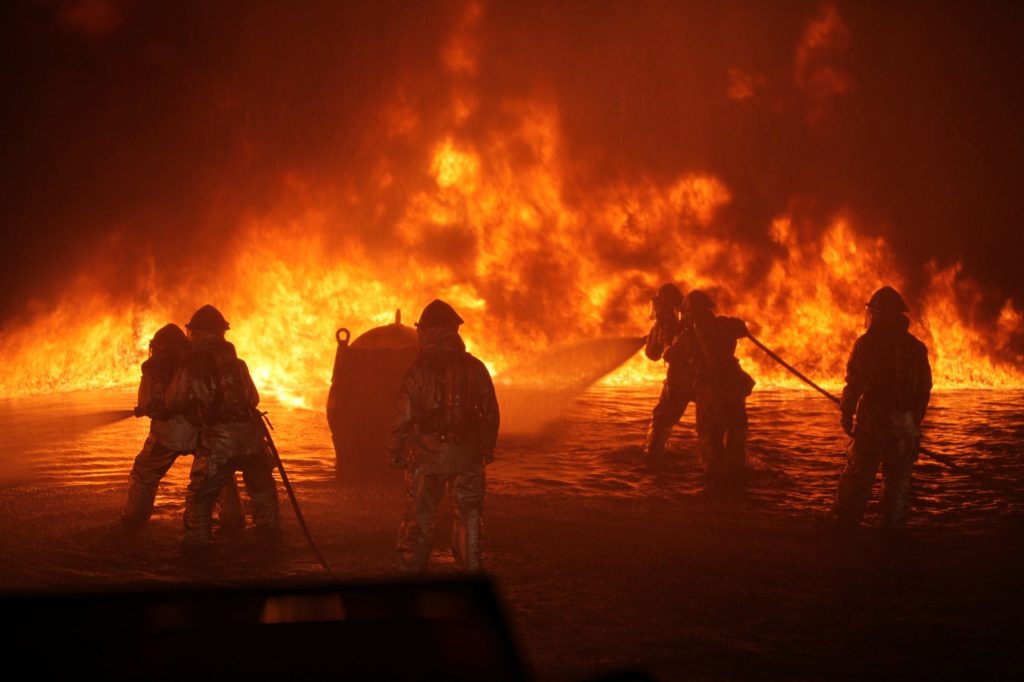
Firefighting is one of the most dangerous professions in Washington State. Firefighters routinely place themselves in harm’s way to protect their communities, often under unpredictable and life-threatening conditions. While the risks are widely understood, the long-term consequences of firefighter injuries are not always fully appreciated, especially when those injuries are caused by negligence rather than the inherent dangers of the job.
At Ron Meyers and Associates, we have worked with firefighters and their families across Western Washington who have suffered serious injuries in the line of duty. Understanding common firefighter injuries and knowing when legal guidance may be appropriate can help protect both physical health and long-term financial security.
Why Firefighter Injuries Are Often More Complex Than They Appear
Many firefighter injuries are initially brushed off as part of the job. Adrenaline, training, and duty can mask symptoms in the early stages. Unfortunately, some injuries worsen over time, leading to permanent impairment, missed work, or forced retirement.
In Olympia and surrounding communities, firefighter injuries may involve:
- Hazardous fire scenes
- Vehicle accidents during emergency response
- Equipment failures
- Unsafe property conditions
- Exposure to toxic substances
When injuries are linked to unsafe conditions, defective equipment, or third-party negligence, firefighters may have legal options beyond standard benefits.
Common Firefighter Injuries Seen in Western Washington
Burn Injuries
Burns remain one of the most visible and dangerous firefighter injuries. These may result from flashovers, explosions, chemical exposure, or failures in protective gear. Severe burns often require skin grafts, long-term wound care, and leave permanent scarring.
Smoke Inhalation and Respiratory Injuries
Repeated exposure to smoke, chemicals, and airborne toxins can cause both immediate and long-term respiratory damage. Some firefighters experience chronic breathing issues, lung disease, or delayed-onset conditions tied to toxic exposure.
Orthopedic and Musculoskeletal Injuries
Firefighters frequently suffer back injuries, knee damage, shoulder tears, and joint injuries caused by heavy lifting, falls, or collapsing structures. These injuries can limit mobility and end careers prematurely.
Traumatic Brain Injuries
Head injuries may occur from falling debris, vehicle collisions, or structural failures. Traumatic brain injuries can lead to cognitive changes, memory issues, and emotional difficulties that interfere with both work and daily life.
Crush Injuries and Amputations
Structural collapses, heavy equipment, and vehicle-related incidents can result in severe crush injuries or limb loss. These injuries often have lifelong consequences and require extensive rehabilitation.
Occupational Illnesses
Some firefighter injuries develop over time rather than from a single event. Exposure-related illnesses, including certain cancers, may be tied to prolonged contact with toxic substances encountered on the job.
When Firefighter Injuries May Involve Third-Party Negligence
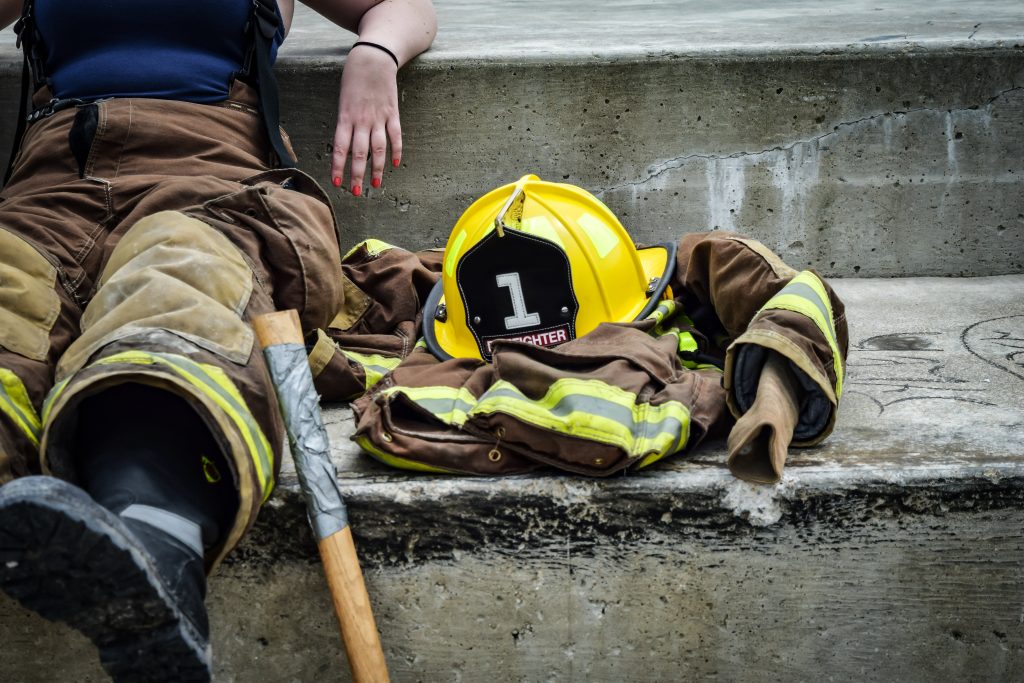
Not every firefighter injury is legally actionable, but some involve negligence by parties other than the employer.
- Defective turnout gear, breathing apparatus, or tools
- Unsafe building conditions or code violations
- Negligent drivers causing emergency vehicle collisions
- Equipment maintenance failures by outside contractors
- Hazardous materials not properly disclosed or stored
In these situations, consulting a firefighter injury attorney may help determine whether a third-party personal injury claim is available.
Frequently Asked Questions
What are the most common firefighter injuries?
Common firefighter injuries include burns, smoke inhalation, orthopedic injuries, traumatic brain injuries, crush injuries, and exposure-related illnesses.
When should a firefighter consult an injury attorney?
Legal guidance may be appropriate when injuries involve defective equipment, unsafe property conditions, vehicle collisions, or other third-party negligence.
Are firefighter injuries always considered part of the job?
No. While firefighting carries inherent risks, injuries caused by negligence or unsafe conditions may fall outside normal job hazards.
How long do firefighters have to pursue a personal injury claim in Washington?
Most personal injury claims must be filed within three years, though early evaluation is important for preserving evidence.
Can a firefighter pursue a claim while still receiving benefits?
In some cases, yes, particularly when a third party is responsible. Legal guidance can help explain how these issues interact.