


A head injury at work does not always look serious at first.
Someone may walk away from a fall, a vehicle collision or a job site incident thinking they are fine. Maybe there is a headache, some dizziness or a sense that something feels off. It is easy to assume those symptoms will pass.
But in some cases, they do not.
Traumatic brain injuries on the job can develop into long-term, life-altering conditions. And when those injuries are tied to unsafe conditions or preventable mistakes, the impact can extend far beyond the initial incident.
Understanding how a traumatic brain injury workplace claim in Washington may arise can help injured workers and their families better navigate what comes next.

When a Workplace Injury Becomes Something More
Not every workplace accident leads to a traumatic brain injury. But certain types of incidents carry a higher risk, especially in physically demanding or hazardous environments.
Common causes of TBI work accidents in Olympia and throughout Washington include:
- Falls from ladders, scaffolding or elevated surfaces
- Being struck by falling objects or equipment
- Motor vehicle collisions while working
- Slip and fall incidents in unsafe conditions
- Construction site or industrial accidents
In many of these situations, the injury itself is only part of the story. What matters just as much is what led up to it.
Was the area properly secured?
Was equipment maintained?
Were safety protocols followed?
These questions often shape what happens next.
The Reality of a Traumatic Brain Injury
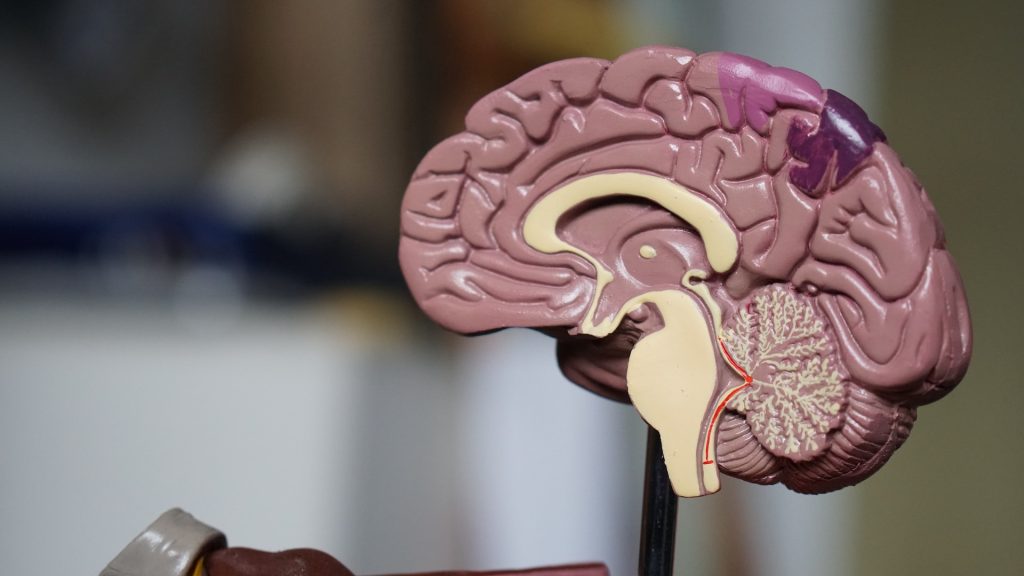
A traumatic brain injury is not always visible. In fact, some of the most serious effects are the hardest to see.
Depending on the severity, a TBI may lead to:
- Memory loss or difficulty concentrating
- Changes in mood or personality
- Chronic headaches or fatigue
- Sensitivity to light or sound
- Difficulty returning to work or daily routines
For families, these changes can be especially difficult. A person may look physically the same but function very differently.
When a brain injury becomes part of everyday life, the impact is not temporary. It can affect relationships, independence and long-term stability.
Where Negligence Comes Into Play
Most workplace injuries are handled through workers’ compensation. But there are situations where the cause of the injury goes beyond the employer alone.
This is where a brain injury third-party lawsuit may come into focus.
Negligence may be a factor when:
- A subcontractor or outside company created unsafe conditions
- A property owner failed to address known hazards
- Equipment or machinery was defective
- A driver caused a crash during a work-related activity
In these cases, the injury is not just the result of the job. It may involve actions or failures by another party.
Identifying that distinction is important, especially in cases involving catastrophic head injuries.
Why These Cases Require a Closer Look
Traumatic brain injuries are different from many other types of injuries. Their effects can be long-lasting and, in some cases, permanent.
Because of that, it is important to fully understand:
- How the injury occurred
- Whether it could have been prevented
- Who may have been involved
A thorough review may include:
- Incident reports and safety records
- Witness statements
- Medical evaluations and long-term prognosis
- Analysis of equipment or site conditions
In Washington, these details can play a critical role in determining whether a third-party claim exists alongside a workplace injury.

The Long-Term Impact of a Head Injury
When someone experiences a catastrophic head injury, the effects often extend far beyond the initial recovery period.
They may include:
- Ongoing medical care or rehabilitation
- Changes in employment or the inability to return to work
- Increased reliance on family members or caregivers
- Emotional strain on both the injured person and their family
These are not short-term challenges. They can reshape a person’s life in lasting ways.
For this reason, understanding the full scope of a traumatic brain injury workplace situation in Washington is essential.
Knowing When to Ask Questions
After a catastrophic workplace injury, the focus is usually on immediate care and recovery. That is where it should be.
But as time passes, questions often begin to surface.
Was this preventable?
Was the environment safe?
Was anyone else responsible for what happened?
If the answer to any of those questions is unclear, it may be worth taking a closer look.
Moving Forward with the Right Information
No one expects a workplace accident to lead to a life-changing injury. When it does, the path forward can feel uncertain.
In cases involving a TBI work accident in Olympia or elsewhere in Washington, understanding how the injury occurred is an important step.
If there are concerns about unsafe conditions or the involvement of a third party, speaking with a traumatic brain injury lawyer in Washington can help clarify what options may be available.
The goal is not just to address what has already happened, but to ensure that the full impact of the injury is recognized moving forward.

FAQ: Traumatic Brain Injuries on the Job
What is considered a traumatic brain injury in a workplace accident?
A traumatic brain injury, or TBI, occurs when a blow or impact to the head disrupts normal brain function. In workplace settings, this can result from falls, being struck by objects or vehicle-related incidents.
Can I file a lawsuit for a workplace brain injury in Washington?
In most cases, workplace injuries are handled through workers’ compensation. However, if another party contributed to the injury, a brain injury third-party lawsuit may be possible.
What are common symptoms of a work-related brain injury?
Symptoms can include headaches, memory issues, confusion, mood changes and difficulty concentrating. Some symptoms may not appear immediately after the injury.
How do I know if negligence played a role in my injury?
Negligence may be involved if unsafe conditions, defective equipment or another party’s actions contributed to the accident. A closer review of the circumstances can help determine this.
When should I speak with a lawyer about a TBI work accident?
If your injury is serious, long-lasting or involves questions about how the incident occurred, it may be helpful to speak with an attorney to better understand your options.