

When someone you love moves into a nursing home or long-term care facility, it’s normal to feel a mix of concern, hope, and uncertainty. One of the most powerful ways families can support a resident’s safety and well-being is simply by staying involved. Regular family visits don’t just lift a resident’s spirits; they’re one of the strongest protections against nursing home abuse and neglect.
Washington law recognizes how important family engagement is, and it provides strong rights for residents to receive visitors. When families stay connected, they help create safer environments, ensure better communication, and make sure facilities remain accountable for the quality of care they provide.
This guide explains why family visitation matters, how involvement helps prevent elder abuse, the warning signs families should watch for, and what legal protections exist in Washington to safeguard vulnerable adults.
Why Family Visits Matter for a Loved One’s Health and Safety
Family visits bring warmth, comfort, and familiarity into a nursing home environment—but their impact goes far deeper. Consistent family presence helps support:
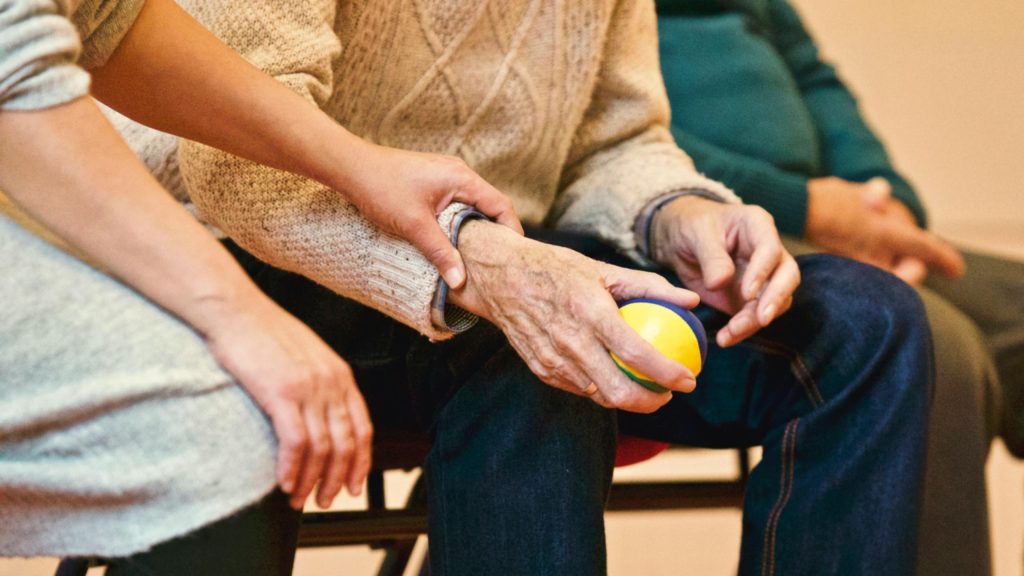 Emotional well-being, reducing loneliness and depression
- Cognitive health, by keeping residents mentally engaged
- Physical health, through encouragement, advocacy, and oversight
Regular visitors naturally become the “eyes and ears” for their loved one. Families notice subtle changes that staff may overlook or fail to report—behavioral shifts, bruises, weight changes, missed medications, or unusual anxiety. This attentive presence alone greatly reduces opportunities for elder neglect or abuse.
Washington law strongly supports this involvement:
Visitation Rights (RCW 70.129.140)
Residents have the right to receive visitors privately and without unnecessary restrictions. Facilities must comply with federal and state rules and can only limit visits for legitimate safety reasons.
Participation in Care
Residents—and, when appropriate, their family members or legal representatives—have the right to participate in care planning, ask questions, and express concerns without retaliation.
Family involvement isn’t just appreciated—it’s protected, encouraged, and vital to maintaining quality care.
How Family Visitation Helps Prevent Nursing Home Abuse
Nursing home abuse or neglect often happens behind closed doors, especially when facilities are understaffed, employees are poorly trained, or residents become isolated. Active, consistent family involvement is one of the strongest deterrents to elder abuse.
Family visits help protect loved ones by:
Identifying Early Signs of Neglect or Injury
Visitors can detect bruises, bedsores, sudden weight loss, poor hygiene, or emotional withdrawal—issues that may be overlooked or hidden by staff.
Increasing Staff Accountability
Staff tend to be more careful, communicative, and attentive when they know family members are present and engaged.
Empowering Residents
Residents feel safer speaking up when they know someone is in their corner.
Promoting Better Daily Care
Facilities are more likely to follow care plans, maintain cleanliness, and meet basic needs when family involvement is consistent.
Providing Emotional Support
Regular visits reduce feelings of isolation—a major risk factor for depression and vulnerability.
Family visitation transforms the care experience from a closed-off system into a shared responsibility.
Building a Strong Partnership With the Care Facility
Simply visiting isn’t always enough. Families can strengthen their involvement, and create a safer environment, by taking proactive steps:

- Attend care planning meetings to stay informed about treatment, medications, and changes in condition.
- Keep notes about physical, emotional, or behavioral changes.
- Ask questions about daily routines, nutrition, safety protocols, and staffing levels.
- Clarify communication channels, including who to contact if problems arise.
- Use Washington’s complaint systems—including the Long-Term Care Ombudsman Program and DSHS Residential Care Services—if concerns surface.
A strong, collaborative relationship between families and facility staff significantly improves resident care and reduces the risk of harm.
Warning Signs of Potential Nursing Home Abuse or Neglect
Even with consistent involvement, families need to remain alert. Common signs of nursing home abuse or neglect include:
- Unexplained bruises, burns, cuts, or fractures
- Sudden weight loss or dehydration
- Poor hygiene, dirty bedding, or unclean living spaces
- Fearfulness, withdrawal, or sudden mood changes
- Missing personal belongings or financial inconsistencies
- Medication errors or unexpected drug changes
If something feels off, trust your instincts. Document what you see, talk to facility leadership immediately, and contact state authorities if conditions don’t improve.
Understanding Your Loved One’s Legal Protections in Washington
Washington State has strong laws in place to protect vulnerable adults living in nursing homes and assisted living facilities. These laws are designed to safeguard dignity, safety, and basic human rights.
Nursing Home Resident Rights (RCW 70.129)
Guarantees residents’ rights to privacy, communication, safety, and respectful treatment.
Vulnerable Adult Protection Act (RCW 74.34)
Allows anyone to report suspected abuse or neglect and provides legal remedies for victims and families.
Mandatory Reporting Requirements
Caregivers, healthcare workers, and facility staff are legally required to report suspected abuse.
When these rights are violated, families may pursue civil claims to hold negligent facilities accountable. Legal action can help protect others from future harm and ensure families receive justice.
Standing Up for Loved Ones: How Ron Meyers & Associates Can Help
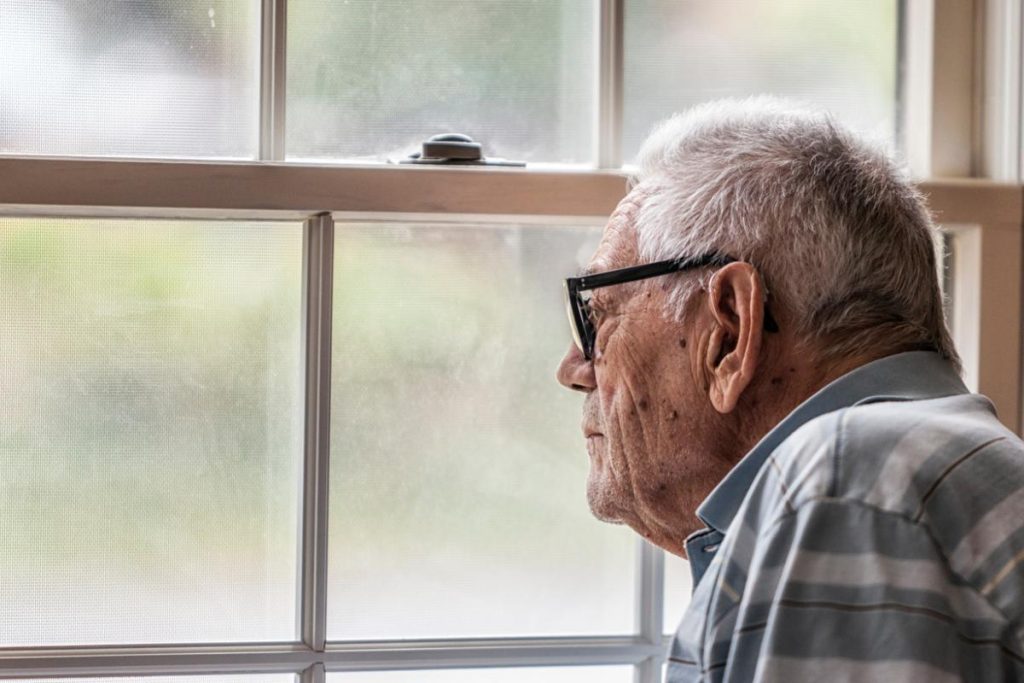
Discovering signs of nursing home abuse or neglect can be overwhelming, especially when facilities deny wrongdoing or minimize concerns. At Ron Meyers & Associates, we understand how important family involvement is, and how devastating it is when someone you trust fails your loved one.
Our team works closely with families across Washington to:
- Investigate suspected abuse or neglect
- Preserve critical evidence
- Navigate Washington’s complex elder abuse laws
- Hold negligent facilities accountable
- Protect residents’ rights and dignity
If you believe your loved one has been mistreated or their visitation rights have been violated, you don’t have to face this alone. Contact Ron Meyers & Associates today. We’re here to help you understand your options, protect your family member’s safety, and pursue the justice they deserve.
FAQ’s
Can a nursing home legally restrict family visitation in Washington?
Facilities can only restrict visits for legitimate safety or health reasons, and any limits must follow federal and state laws. Under RCW 70.129.140, residents have the right to receive visitors privately and without unnecessary interference.
How often should I visit my loved one to help prevent abuse?
There’s no required frequency, but regular, unannounced visits are best. Consistency helps you notice changes in your loved one’s health and keeps staff accountable.
What are the warning signs of possible nursing home abuse or neglect?
Red flags include unexplained bruises, sudden weight loss, poor hygiene, emotional withdrawal, dirty living conditions, medication issues, or missing belongings.
Who do I report suspected nursing home abuse to in Washington?
You can report concerns to the facility administrator, the Washington Long-Term Care Ombudsman Program, or DSHS Residential Care Services. If the resident is in immediate danger, call 911.
What rights do nursing home residents have in Washington?
Residents are protected by RCW 70.129, which guarantees the right to dignity, privacy, communication, safety, and participation in care planning. They also receive protections under the Vulnerable Adult Protection Act (RCW 74.34).
Can family members take legal action for nursing home abuse?
Yes. If a facility fails to protect your loved one, families can pursue civil claims for negligence, abuse, or rights violations. Legal action can help secure compensation and prevent future harm.
What should I do first if I suspect my loved one is being abused?
Document what you see, speak with facility management, and file a report with the appropriate state agency. Contacting a nursing home abuse attorney early can help preserve evidence and guide your next steps.