


Dangerous Highways and Roads Across Washington State
Washington’s roadways stretch from dense urban corridors to long rural highways cutting through mountains, farmland, and coastal areas. While many of these roads are essential for daily travel and commerce, some consistently rank among the most dangerous highways in Washington due to high crash volumes, severe injuries, and fatal accidents.
Understanding where car crashes happen and why can help drivers stay alert and help injured victims recognize when negligence may have played a role.

What Makes a Road Dangerous in Washington?
The most dangerous roads in Washington often share similar risk factors, including:
- Heavy traffic congestion and commuter volume
- Speeding and aggressive driving
- Impaired or distracted drivers
- Poor visibility, sharp curves, or limited shoulders
- Weather conditions such as rain, fog, snow, and ice
When several of these factors combine, the likelihood of catastrophic injuries or fatalities rises significantly.
9 of the Most Dangerous Highways & Roads in Washington State
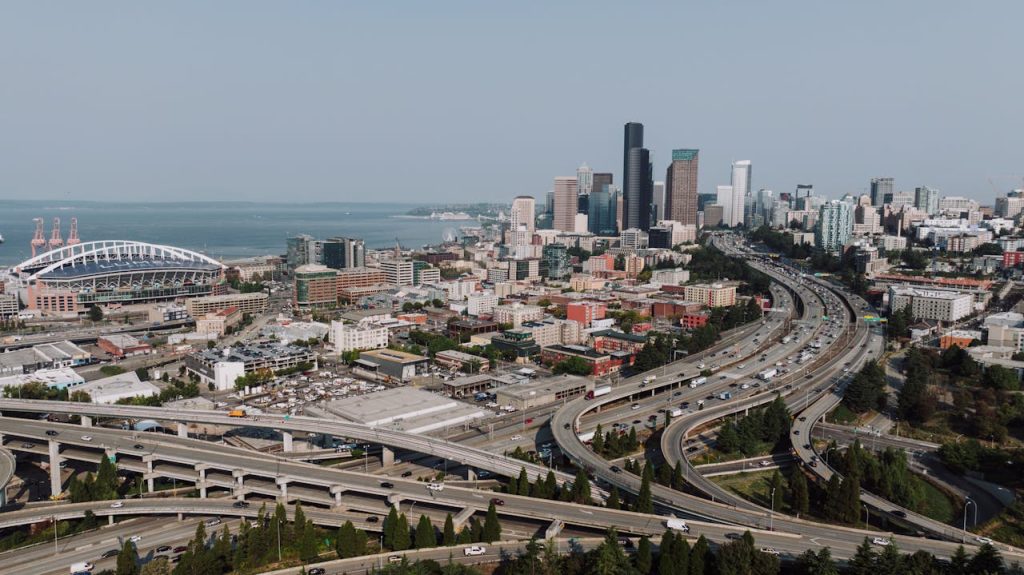
1. Interstate 5 (I-5)
Stretching from the Canadian border to Oregon, I-5 runs through major population centers including Seattle, Tacoma, and Olympia. Persistent congestion, sudden slowdowns, and distracted driving make I-5 one of the worst highways in Washington for serious collisions and fatal crashes.
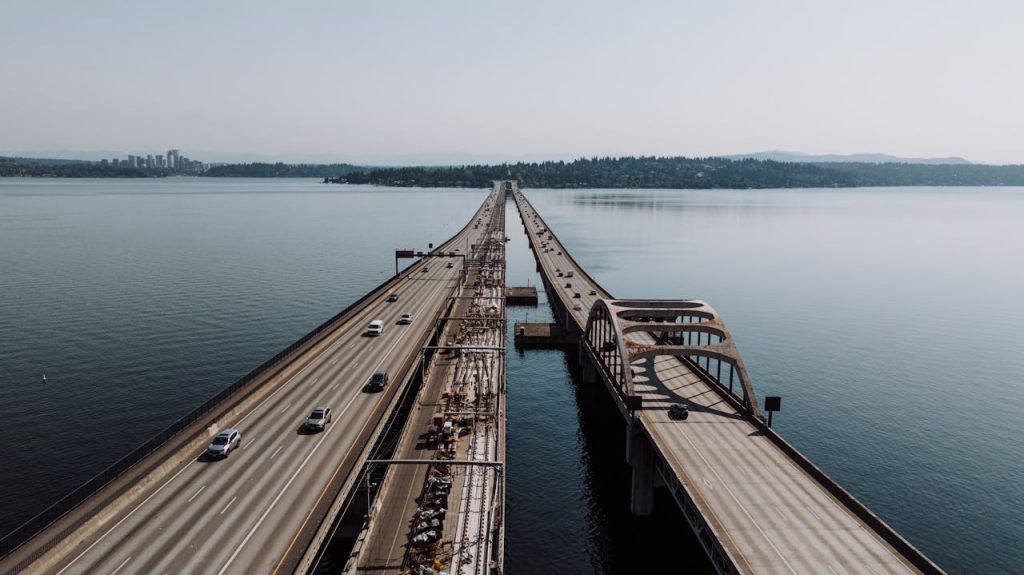
2. Interstate 90 (I-90)
I-90 crosses the state from Seattle to Idaho, passing through mountain terrain and long rural stretches. High speeds, weather-related hazards, and limited services in remote areas contribute to severe crashes, particularly during the winter months.
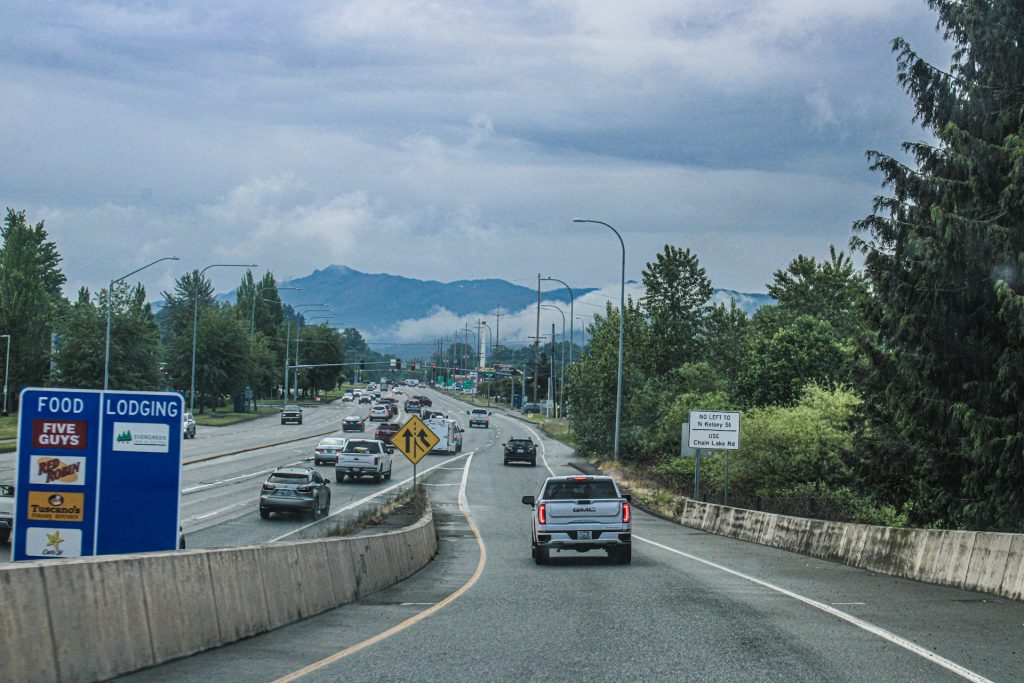
3. U.S. Route 2 (US-2)
US-2 is often cited as the deadliest road in Washington. Narrow lanes, limited passing zones, and frequent head-on collisions have resulted in a disproportionate number of fatal accidents, especially in rural sections of the highway.
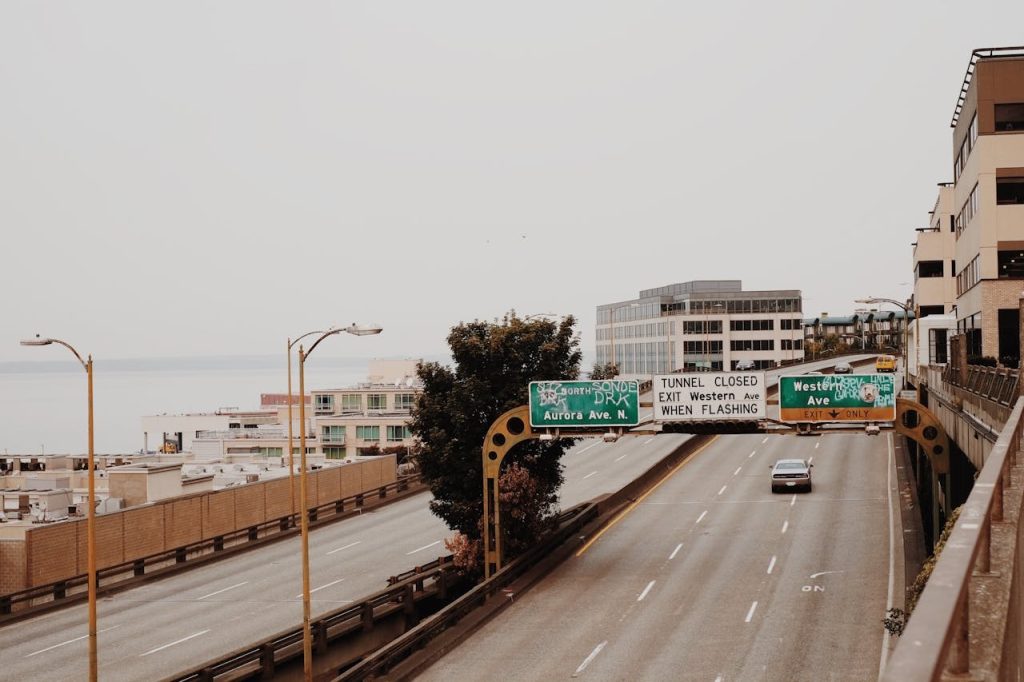
4. State Route 99 (Aurora Avenue)
SR-99, particularly in the Seattle area, sees frequent collisions involving vehicles, pedestrians, and cyclists. Numerous intersections, commercial driveways, and high-speed traffic make it one of the most dangerous highways in Washington for all road users.
5. State Route 97 (SR-97)
Running through central Washington, SR-97 experiences a high rate of severe crashes due to speeding, impaired driving, and long stretches without median barriers. Accidents on this highway often occur at highway speeds, increasing the risk of fatal injuries.
6. U.S. Route 101 (US-101)
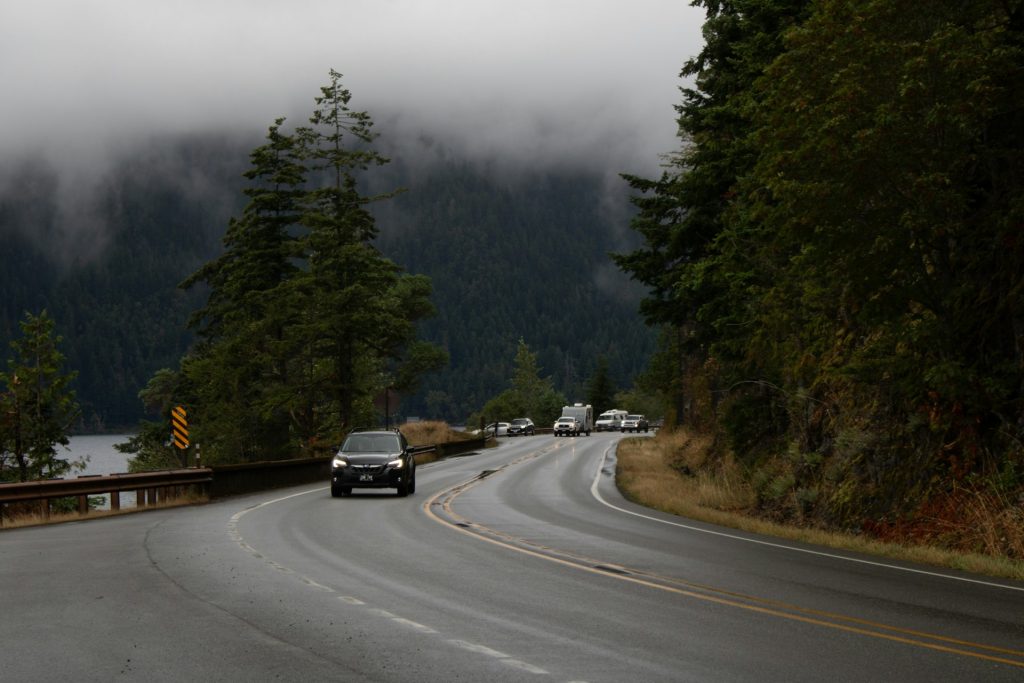
US-101 loops around the Olympic Peninsula and features winding roads, limited lighting, and frequent wildlife crossings. Rain, fog, and unfamiliar driving conditions make it one of the deadliest roads in Washington, particularly for out-of-area drivers.
7. State Route 18 (SR-18)
SR-18 connects I-5 and I-90 and is notorious for congestion, aggressive driving, and frequent merging conflicts. Narrow lanes and heavy traffic contribute to a steady number of serious injury crashes.
8. Interstate 405 (I-405)
As a major bypass around Seattle, I-405 experiences heavy commuter traffic and frequent rear-end collisions caused by sudden braking and congestion. While not always the single deadliest highway, it remains one of the most crash-prone corridors in the state.
9. State Route 522 (Bothell–Woodinville–Monroe Corridor)
State Route 522 is a heavily traveled corridor connecting suburban communities such as Bothell and Woodinville to Monroe and eastern Snohomish County. Despite safety improvement efforts, SR-522 remains one of the most dangerous roads in Washington due to commuter congestion, frequent intersections, and higher-speed traffic.
Rear-end collisions, left-turn crashes, and serious injury accidents are common along this route, particularly during peak commute hours. Limited separation between opposing lanes in some areas increases the risk of severe head-on collisions, contributing to its reputation as one of the worst highways in Washington for driving safety.
Why Fatal Crashes Occur on These Roads
The deadliest roads in Washington are not dangerous by coincidence. Many fatal crashes result from preventable behavior, including:
- Speeding well above posted limits
- Driving under the influence of alcohol or drugs
- Distracted driving, including phone use
- Failure to adjust driving for traffic or weather conditions
When negligence contributes to a serious collision, injured individuals and families may have legal options.
Why Rollover Accidents Are Common on Washington’s Most Dangerous Roads
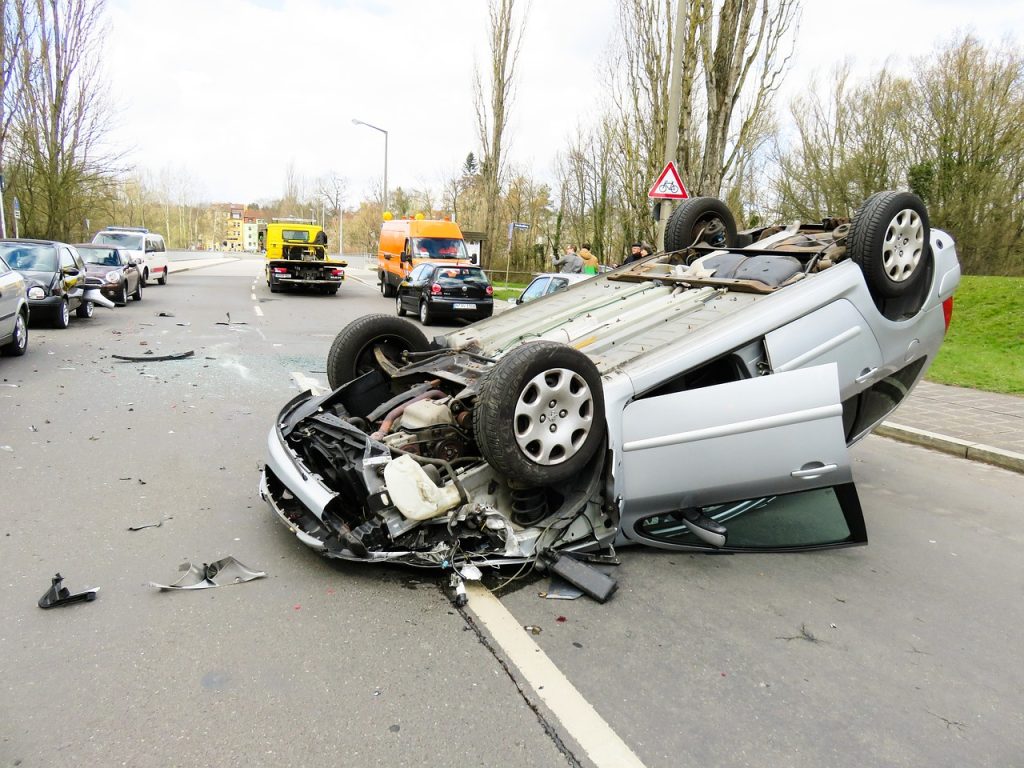
Some of the most dangerous highways in Washington State are also known for serious rollover crashes, particularly in areas involving high speeds, sharp curves, rural highways or sudden changes in road conditions.
Vehicle rollover accidents are especially dangerous because they often result in catastrophic injuries, including traumatic brain injuries, spinal cord damage and fatalities. These crashes may occur when:
- Drivers lose control at highway speeds
- Vehicles leave the roadway and strike barriers or uneven terrain
- Sudden overcorrections occur on narrow rural highways
- Dangerous weather conditions reduce traction and visibility
Roads such as US-2, SR-97 and portions of I-90 have seen severe rollover collisions due to combinations of speed, weather and limited roadway recovery space.
In some situations, dangerous roadway conditions or another driver’s negligence may contribute to the crash. A vehicle rollover accident lawyer in Washington may investigate whether speeding, distracted driving, impaired driving or unsafe traffic conditions played a role in the collision.
Because rollover crashes frequently involve life-changing injuries, these cases often require extensive medical treatment, rehabilitation and long-term care planning.
When Dangerous Roads and Driver Negligence Overlap
Even on the deadliest highways in Washington State, accidents are not always unavoidable. Many serious crashes occur because drivers fail to adjust for traffic, weather or roadway conditions.
This is especially true on major highways in Washington State such as I-5, I-405 and SR-18, where congestion, aggressive driving and distracted driving frequently combine to create dangerous situations.
A dangerous roads claim in Seattle or elsewhere in Washington may involve situations where:
- A driver was speeding in hazardous conditions
- Commercial vehicles failed to safely navigate congested highways
- Distracted or impaired driving contributed to a serious collision
- Unsafe lane changes or aggressive driving caused chain-reaction crashes
When catastrophic injuries or fatalities occur, victims and families are often left facing overwhelming financial and emotional consequences.
Washington car accident lawyers can help investigate what contributed to the crash, preserve evidence and determine whether negligence played a role in causing the collision.
Understanding how roadway risks and driver behavior intersect is often an important part of evaluating serious injury claims involving Washington’s most dangerous roads.

When a Dangerous Road Leads to Serious Injury or Death
Crashes on Washington’s most dangerous highways often result in catastrophic injuries, permanent disabilities, or fatalities. Victims may face overwhelming medical bills, lost income, and long-term rehabilitation. Families who lose a loved one may struggle with both emotional and financial consequences.
In these situations, working with an experienced Car Accident Injury Attorney or Vehicle Accident Lawyers can help determine whether another driver or responsible party should be held accountable. Cases involving fatalities may require the guidance of Wrongful Death Attorneys, while life-altering injuries often call for Serious Injuries Lawyers and a dedicated Personal Injury Lawyer who understands Washington law.
FAQ: Dangerous Roads & Highways in Washington State
What are the most dangerous roads in Washington?
Some of the most dangerous roads in Washington include I-5, I-90, US-2, SR-99, SR-97, US-101, SR-18, I-405, and SR-522 due to high crash and fatality rates.
Which highways in Washington are considered the deadliest?
US-2, I-5, and SR-97 are frequently cited among the deadliest highways in Washington because of high-speed crashes and severe injuries.
What is the deadliest highway in Washington?
US-2 is often considered the deadliest highway in Washington due to its narrow lanes, head-on collisions, and history of fatal crashes.
What factors make certain highways the most dangerous in Washington?
High traffic volume, speeding, impaired driving, road design issues, weather conditions, and limited visibility all contribute to increased risk.
Which highways are considered the worst for driving safety in Washington?
I-5, I-405, SR-18, SR-99, and SR-522 are often considered among the worst highways for driving safety due to congestion and frequent collisions.
What is considered the most dangerous highway in Washington State?
US-2 is frequently considered one of the deadliest highways in Washington State due to its history of head-on collisions, rural driving conditions and high fatality rates.
Why are rollover accidents so dangerous?
Rollover crashes often involve multiple impacts and roof crush injuries, increasing the risk of traumatic brain injuries, spinal cord injuries and fatalities.
Can dangerous road conditions contribute to a car accident claim?
Yes. While driver negligence is often involved, roadway conditions, poor visibility, weather and traffic design may also contribute to serious crashes on Washington highways.
When should I contact a Washington car accident lawyer after a serious crash?
It may be helpful to speak with an attorney as soon as possible after a serious injury or fatal collision, particularly when liability is disputed or the crash involved catastrophic injuries.