


After a car crash, your first instinct may be to get your car to the shop and move on — especially if you’re trying to put the accident behind you. But if you’re planning to file a personal injury claim, what you do before your vehicle is repaired matters more than most people realize.
At Ron Meyers and Associates, we help injured drivers across Washington understand how to build a strong claim. A big part of that is collecting the right evidence before your vehicle is repaired — because once it’s fixed, you may lose critical proof of how the crash happened and how serious it was.
Here’s a clear checklist of what to document and why it matters.
Why You Need to Document Vehicle Damage
In any car accident case involving injuries, insurance companies will look for ways to minimize or deny your claim. One of the first things they’ll examine? The vehicle damage. If they think the damage looks “minor,” they might argue your injuries couldn’t be that serious — even if you’re dealing with chronic pain or ongoing treatment.
Once your car is repaired or scrapped, that evidence is gone. So it’s critical to preserve it early.
Essential Evidence to Collect Before Repairs
1. Clear Photos of All Vehicle Damage
- Capture close-up and wide shots
- Include all angles of your vehicle — front, rear, sides, roof, undercarriage if possible
- Photograph the interior if airbags deployed or the cabin was damaged
Include timestamped photos if possible. These images help reconstruct the force and direction of impact, which supports your claim.

2. Photos of the Crash Scene
- Skid marks, debris, or glass on the road
- Damage to guardrails, curbs, or nearby structures
- Traffic signals or signage (especially at intersections)
- Weather and lighting conditions
Even if the crash didn’t just happen, revisiting the location can be useful if it’s safe to do so. These details support your version of events and may reveal unsafe conditions or third-party liability.
3. License Plates and VIN Numbers
- Take photos of your vehicle’s license plate and VIN (vehicle identification number)
- Photograph the other driver’s plate, if available
Accurate vehicle identification is crucial when filing claims or if the other driver disputes involvement.
4. Repair Estimates
- Obtain at least one written repair estimate from a licensed auto body shop
- If the vehicle is declared a total loss, get documentation of the ACV (actual cash value) from the insurer
These documents show the financial impact of the crash and help in cases involving property damage disputes or total loss valuation.

5. Towing and Storage Receipts
- Keep copies of any receipts for towing, storage, or impound fees
- Note dates and locations
These costs may be reimbursable, and they also create a timeline showing how long your vehicle was out of use.
6. Witness Information
- If anyone witnessed the crash, collect their full name and contact info
- Note whether they saw the accident happen or arrived shortly afterward
Witnesses can support your version of events if liability is disputed.
7. Photos of Your Injuries
If you were injured, document:
- Visible wounds (bruises, cuts, swelling)
- Medical equipment (neck brace, crutches, splints)
- The healing process over time
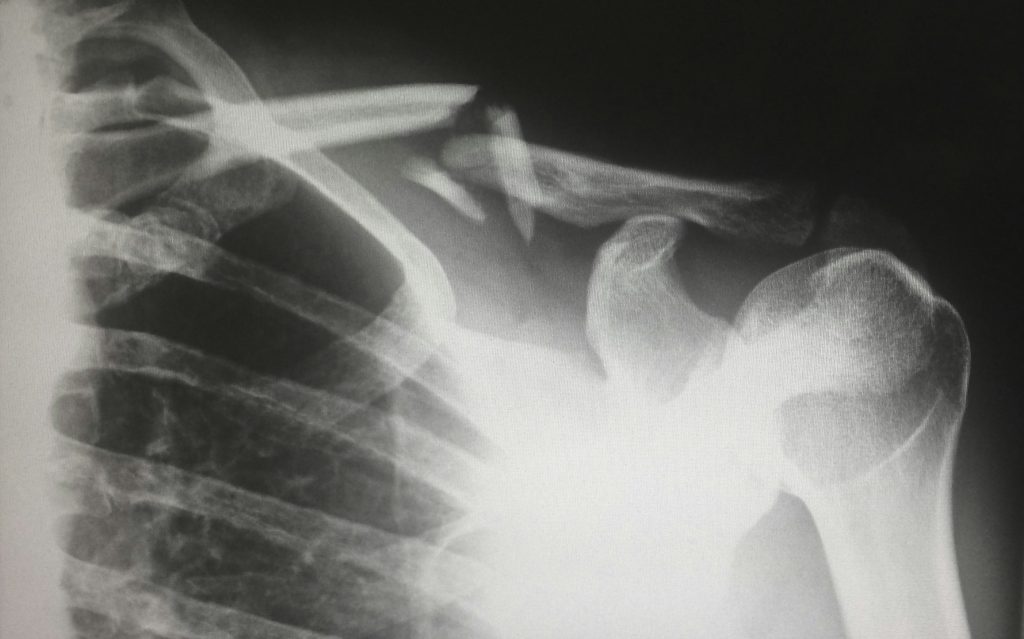
These images, combined with vehicle damage documentation, help prove the severity of your injuries, which may not be obvious from medical records alone.
What If Your Vehicle Was Already Repaired or Scrapped?
All is not lost. If the repair shop took photos, ask for copies. Your insurer may also have documented the vehicle during their inspection. An experienced personal injury lawyer can help track down this evidence and still build a strong claim.
How Legal Guidance Helps Strengthen Your Claim
Insurance companies may argue that your injuries were minor because the car doesn’t look badly damaged. But modern vehicles are built to absorb impact — even crashes with serious injuries can leave behind limited visible damage. That’s why documenting everything before repairs is so important.
At Ron Meyers and Associates, we work with accident reconstruction experts and medical professionals to connect the dots between vehicle damage and bodily injury, especially in soft tissue and catastrophic injury cases. We make sure the full picture — not just the surface — is presented.
Contact Ron Meyers and Associates for a free consultation.

FAQ: Preserving Vehicle Evidence After a Washington Crash
What if I didn’t take photos before the car was towed or fixed?
Ask the repair shop or your insurance company for any images they captured. If the vehicle is still in storage, we can help arrange a professional inspection before repairs begin.
Can I still file an injury claim if my car didn’t look badly damaged?
Yes. Some of the most serious injuries occur in low-speed crashes or with minimal visible damage. Medical documentation and expert analysis can support your claim.
What kind of photos are most helpful for my case?
Wide shots showing full vehicle damage, close-ups of specific areas, and photos from all angles are most effective. Include any interior damage, deployed airbags, or seatbelt marks.
How long should I wait before getting my car repaired?
It’s best to document everything before repairs begin. If you’re pursuing an injury claim, speak with your attorney first — they can help coordinate timing to preserve key evidence.