


Firefighting has always been one of the most physically demanding and dangerous professions. However, for many Washington first responders, the most significant threat isn’t the heat or collapsing structures—it is the silent, invisible danger of toxic chemicals. Over the last decade, medical research has established a clear and devastating link between routine duty and various forms of cancer. When these illnesses are the result of defective products or a failure to provide an adequate warning of hazards, the legal system provides a path for a firefighter’s cancer lawsuit in WA.
In Washington, the law recognizes the unique risks faced by those in the fire service. While workers’ compensation systems exist to provide basic medical coverage, they often fall short of addressing the total impact of a life-threatening diagnosis. When negligence by a third party—such as a chemical manufacturer or equipment designer—is the root cause, a firefighter toxic exposure claim in Washington can seek the full accountability and compensation that families deserve.
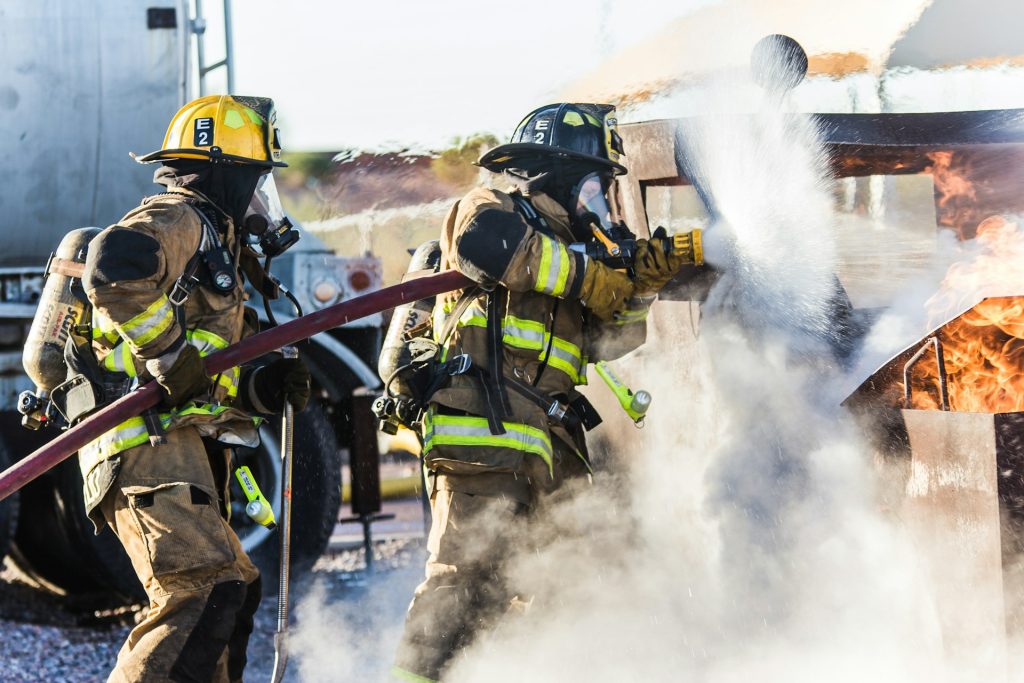
The Sources of Toxic Exposure in the Fire Service
Modern fires burn differently than they did fifty years ago. The prevalence of synthetic materials, plastics, and petroleum-based products in homes and businesses means that every fire produces a complex mixture of carcinogens. However, firefighter injuries from chemical exposure are not limited to the smoke encountered at a scene. One of the most significant sources of litigation involves Aqueous Film-Forming Foam (AFFF). This foam, used for decades to combat fuel fires, contains PFAS—often called “forever chemicals”—which have been linked to kidney, testicular, and thyroid cancers.
Furthermore, recent investigations have raised concerns about the very turnout gear intended to protect first responders. Some personal protective equipment (PPE) has been found to contain these same toxic chemicals. When companies produce these materials knowing the risks but fail to provide adequate warnings or safer alternatives, they can be held liable for a firefighter occupational illness claim in Washington.
Establishing Third-Party Liability
It is important to note that these legal actions are not filed against fire departments or municipalities; instead, they focus on third-party negligence. Under Washington product liability laws, manufacturers must ensure their products do not pose unreasonable dangers. If a company knew or should have known their product caused cancer and failed to protect the end-user, they are responsible for the damages.
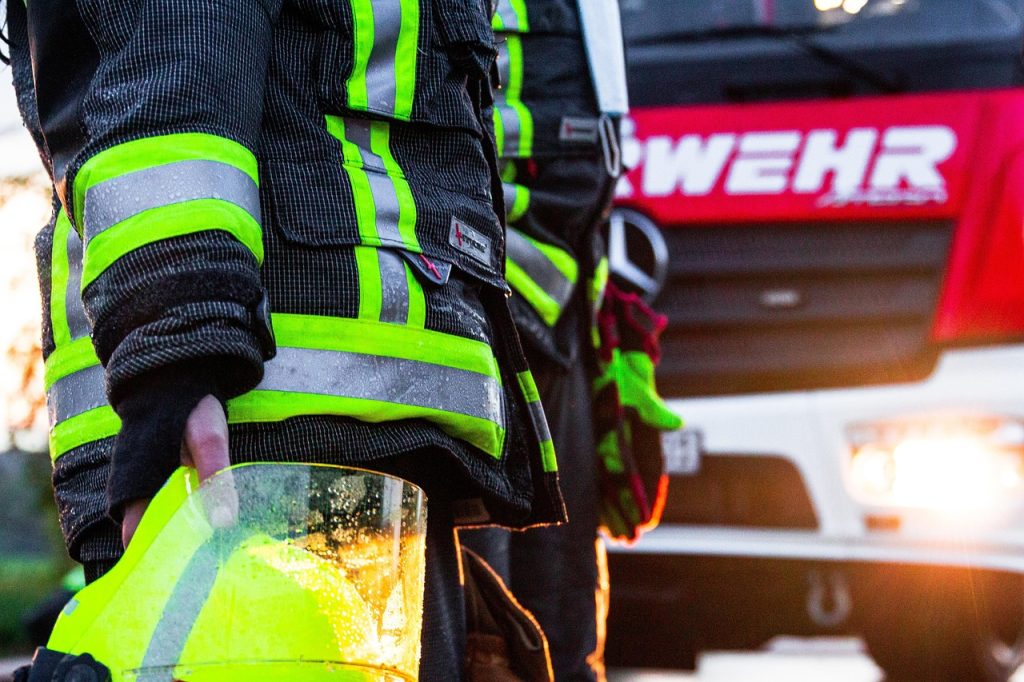
Hiring a personal injury lawyer is critical as soon as you suspect a connection between an illness and your service. Delaying can be detrimental, as Washington’s statutes of limitations restrict your timeframe to file. Furthermore, essential evidence like service logs and chemical manifests becomes harder to secure over time. An attorney can immediately begin preserving records to ensure details aren’t lost, analyzing your service history, specific toxic exposures, and medical evidence that can connect them to your diagnosis. Unlike a workman’s compensation case, your attorney will focus exclusively on third-party negligence; dedicating their full attention to holding those truly at fault accountable.
For those working in the state capital or surrounding areas, consulting with a firefighter injury lawyer in Olympia, WA is a vital step in identifying which third parties may be held responsible for the harm caused.
How We Can Help at Ron Meyers and Associates
At Ron Meyers and Associates, we believe that those who protect our communities should not be left to fight their most difficult battles alone. Partnering with us means that you have a dedicated firefighter injury lawyer in Olympia in your corner to help you navigate the process of filing a firefighter cancer lawsuit in WA. We understand the complexities of the state’s legal landscape and the specific evidence required to take on large chemical and manufacturing corporations.
If you or a loved one is suffering from an illness related to your service, reach out to us today to discuss your situation and learn more about your rights to recovery.
Frequently Asked Questions
Can firefighters file a lawsuit for cancer caused by toxic exposure in Washington?
Yes. While Washington provides some “presumptive” benefits under workers’ comp, these are often limited. Firefighters have the right to file a civil lawsuit against third-party entities—like the companies that manufactured toxic firefighting foams or defective gear—to recover damages for pain, suffering, and full loss of future income.
What chemicals are linked to firefighter cancer claims?
The most common chemicals involved in these claims include PFAS (Per- and polyfluoroalkyl substances) found in AFFF foam, benzene, formaldehyde, and various polycyclic aromatic hydrocarbons (PAHs) found in modern structure fires. Exposure to these can lead to leukemia, non-Hodgkin’s lymphoma, and multiple myeloma.
How do you prove toxic exposure caused a firefighter’s illness?
We prove these cases by combining comprehensive service records with toxicological evidence and medical testimony. By tracking the specific incidents of exposure and the chemical profiles of the materials encountered, we can build a strong link between the third party’s product and the resulting illness.
Can third parties be held liable for firefighter chemical exposure injuries?
Absolutely. Third-party liability is the primary focus of these lawsuits. If a chemical company, equipment manufacturer, or even a property owner acted with negligence or provided a defective product that resulted in chemical exposure firefighter injuries, they can be held legally and financially accountable.
What compensation is available for firefighter toxic exposure claims?
Compensation in a third-party claim can include medical expenses not covered by insurance, lost wages, loss of earning capacity, and non-economic damages such as emotional distress, loss of enjoyment of life, and the impact on the family unit.