

How Fault Affects Car Damage
After a vehicle collision, one of the first questions people ask is simple: Who pays for the damage to my car? In Washington State, the answer depends on who caused the accident, what insurance coverage each driver carries, and whether injuries are involved. Washington is a fault-based state, meaning the driver who caused the crash is legally responsible for the resulting damage, both to vehicles and to individuals injured in the accident.
At Ron Meyers & Associates, we work with people throughout Olympia and Western Washington who were injured in a car accident and suddenly find themselves facing car repairs, medical bills, and lost income. Understanding how Washington’s fault rules work can make a huge difference in how smoothly your claim moves forward.
This guide explains how property damage is paid for, how injury claims fit into the picture, and what steps you can take to protect your rights after a crash.
How Washington’s Fault System Determines Who Pays for Car Damage
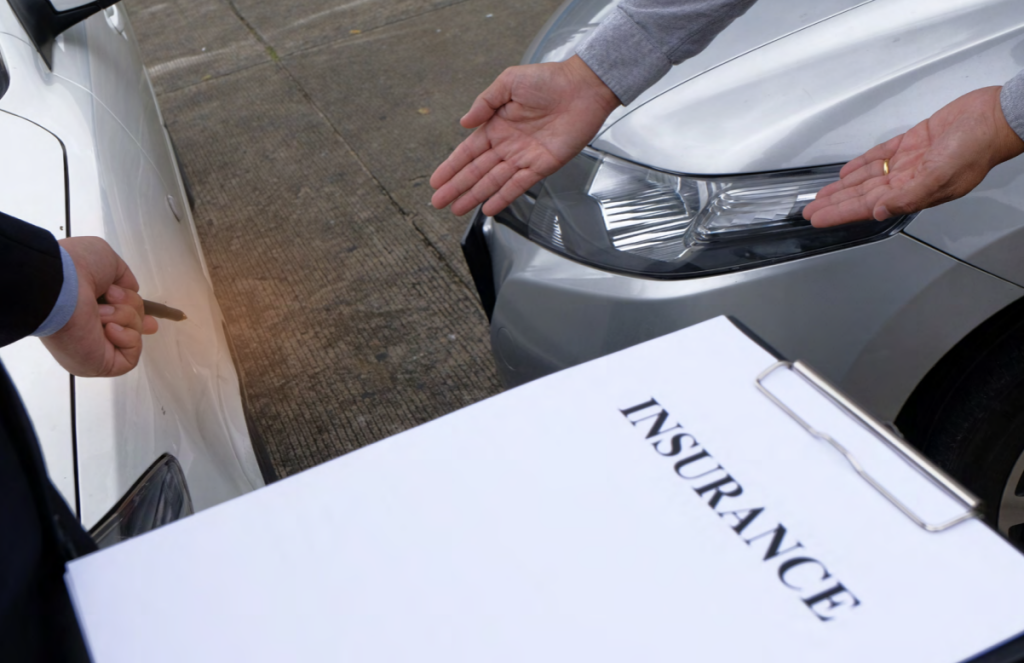
Unlike no-fault states, Washington requires the at-fault driver, or more specifically, their insurance company, to pay for vehicle damage. That normally happens through the at-fault driver’s property damage liability coverage.
This compensation may include:
- Vehicle repairs
- Vehicle replacement
- Diminished value
- Towing and storage
- Rental car expenses
If the at-fault driver refuses to cooperate or denies responsibility, their insurer may try to delay or limit payment. This is where legal guidance becomes critical, especially when injuries are involved.
What If the At-Fault Driver Doesn’t Have Enough Insurance?
Washington requires only $10,000 in property damage liability coverage, an amount that often isn’t enough to cover repairs after modern vehicle accidents.
If the at-fault driver’s coverage doesn’t fully compensate you after an uninsured or underinsured car accident, you may be able to use:
Collision Coverage
Your own policy may pay upfront for repairs and then pursue reimbursement from the other driver.
Underinsured Motorist Property Damage (UIM-PD)
If you carry UIM-PD, it can cover remaining repair costs when the at-fault driver’s policy doesn’t go far enough.
A Claim Against the Driver Personally
If no adequate insurance exists, you can legally pursue the driver directly.
Our team helps clients evaluate every possible source of compensation after a car crash. You should never assume you’re stuck with the bill, even if the other driver is uninsured.
How Injuries Affect Who Pays After
Property damage is straightforward compared to injury claims. When you suffer injuries, the at-fault driver becomes responsible for a much wider range of losses, including:

- Medical treatment and rehabilitation
- Lost wages
- Pain and suffering
- Long-term disability
- Future medical needs
- Emotional distress
This is why we encourage anyone with injuries, even seemingly minor ones, to contact a Personal Injury Lawyer as early as possible. Injury claims quickly become complex, especially when multiple vehicles are involved, medical bills are high, or insurance companies attempt to minimize liability.
How Responsibility Is Determined
Insurance companies will conduct a liability investigation, but their goal is often to protect their bottom line, not you. A police report helps, but the insurer may still dispute fault.
Common sources of evidence include:
- Traffic camera footage
- Witness statements
- Vehicle damage analysis
- 911 recordings
- Accident reconstruction
- Cell phone data (e.g., distracted driving)
If liability is contested, an experienced Car Accident Attorney can help gather evidence and protect your rights.
What If Both Drivers Share Fault? (Washington’s Comparative Negligence Rule)
Washington follows a pure comparative negligence rule. That means each driver pays for a share of the damages based on their percentage of responsibility.
For example:
- If you were 20% at fault
- And your total vehicle + injury damages equal $20,000
You would still recover 80%, or $16,000.
Understanding this rule is important when insurers try to assign you more blame than you deserve. Our firm regularly fights back against unfair fault assessments.
 Types of Accidents That May Affect Who Pays
The type of crash can influence how liability is determined. Our team handles a wide range of cases, including those requiring a Drunk Driving Accidents Lawyer, a Motorcycle Accidents Attorney, and even complex claims handled by our Hit and Run Accident Attorneys.
Each type of collision requires different evidence and a legal strategy.
When You Should Contact an Attorney
You should contact a personal injury attorney immediately if:
- You suffered any injuries
- A commercial vehicle or multiple vehicles were involved
- The at-fault driver denies responsibility
- The insurance company is delaying or lowballing payment
- You were hit by an uninsured or underinsured driver
- The crash involved a pedestrian, bicyclist, or motorcyclist
Car accidents involving serious injuries can change your life. You deserve clear answers and strong advocacy.
Need Help After a Washington
Car Accident? Our Olympia Team Is Here for You

If your car was damaged, and especially if you were injured, you don’t have to navigate the claims process alone.
Washington’s fault rules can be confusing, and insurance companies often make things harder than necessary.
At Ron Meyers & Associates, we help injured people secure fair compensation for repairs, medical bills, and long-term recovery. Contact us today for a free, compassionate consultation. We’re here to protect your rights and fight for the outcome you deserve.
FAQs
Who pays for car damage after a crash in Washington State?
The at-fault driver’s insurance typically pays for vehicle repairs or replacement. If their coverage is insufficient, your own collision or UIM-PD coverage may help.
How are expenses covered when both property damage and injuries occur?
Property damage is handled through the at-fault driver’s liability insurance, while injury claims may involve additional compensation such as medical bills, lost wages, and pain and suffering.
Is Washington a no-fault state?
No. Washington is a fault-based state, meaning the driver who causes the accident is responsible for damages.
What happens if the at-fault driver doesn’t have enough insurance?
You may use your collision coverage or UIM-PD. In some cases, you can pursue a claim directly against the other driver.
How does comparative negligence affect payment for car damage?
Your compensation is reduced by your percentage of fault. Even if you were partly responsible, you can still recover damages.