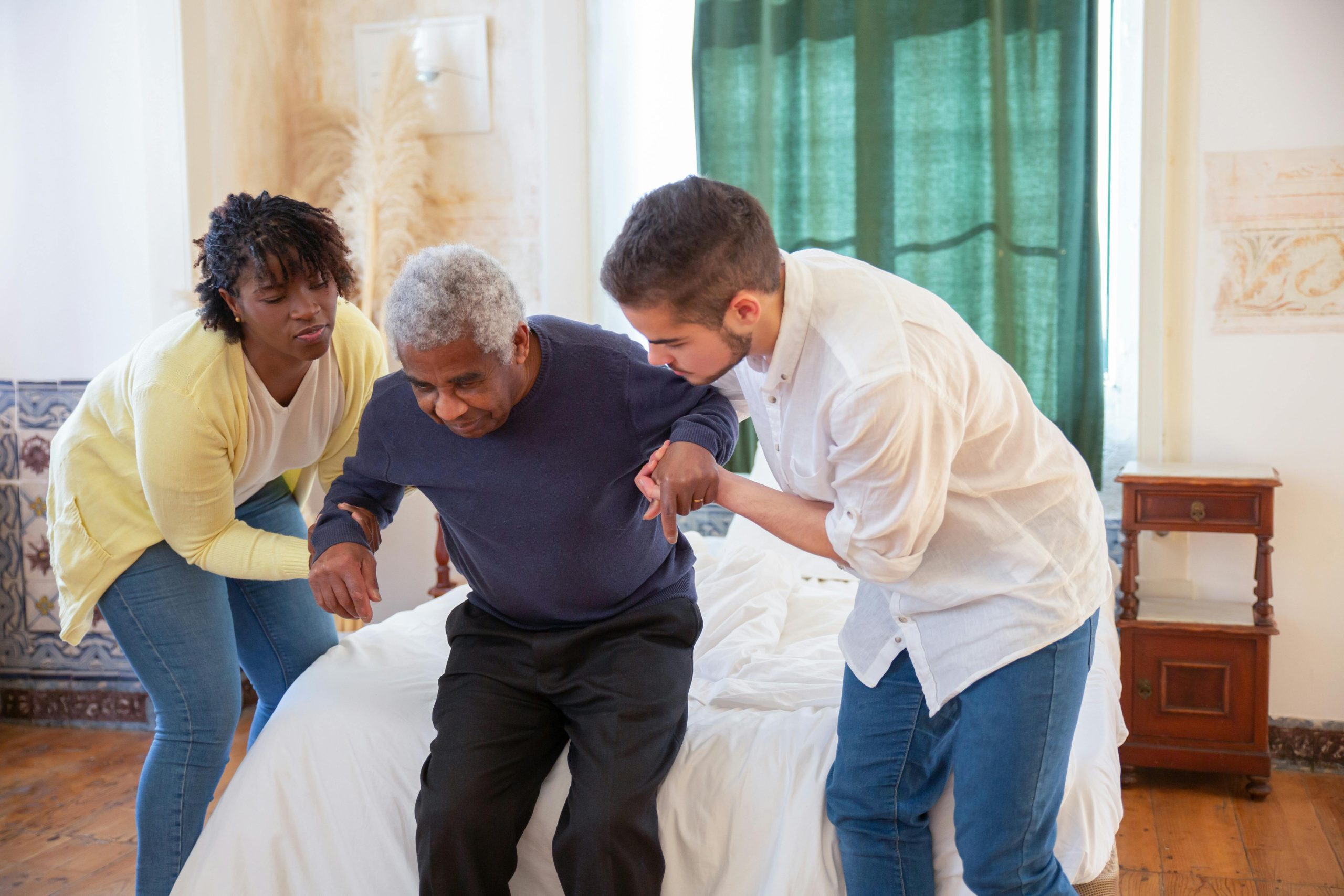
Patient transfer injuries remain one of the most common causes of harm in Washington's care facilities. Every year, countless residents suffer preventable injuries during the process of moving from beds, wheelchairs, or other equipment. These incidents not only cause physical pain and complications but also raise serious questions about the quality of care residents receive.
The Scope of the Problem
Patient transfer injuries occur far more frequently than many families realize. According to the Washington Department of Health, improper transfer techniques account for a significant portion of reported incidents in nursing homes and assisted living facilities. These injuries range from bruises and sprains to serious fractures, head trauma, and internal injuries that can have lifelong consequences.
The vulnerability of care facility residents makes them particularly susceptible to harm during transfers. Many residents have mobility limitations, balance problems, cognitive impairment, or conditions that make them fragile. When caregivers fail to use proper protocols, patient transfer injuries become inevitable.

Common Causes of Transfer-Related Injuries
Moving a person with limited mobility requires proper technique, adequate staffing, and appropriate assistive equipment. When long-term care facilities cut corners or neglect basic safety protocols, residents pay the price. The most frequent causes of transfer mishaps include:
- Understaffing and Rushed Care: Facilities frequently operate with short staff levels. When workers are overloaded and rushed, they may attempt a two-person transfer alone. This dangerous lapse in protocol often results in drops, slips, or severe physical strain on the resident.
- Inadequate Staff Training: Moving individuals safely requires thorough training on body mechanics and equipment operation. Without proper instruction, caregiver negligence can easily lead to dropped residents, hyper-extended limbs, or blunt force impacts.
- Failure to Use Assistive Mechanical Devices: Hoyer lifts, transfer belts, slide boards, and sit-to-stand devices are designed to protect residents. Ignoring individualized care plans that require these mechanical aids regularly results in nursing home transfer injuries.
- Poor Assessment of Resident Needs: A resident's physical capabilities and cognitive status can change quickly over time. Failing to update care assessments to reflect increased assistance needs can lead to avoidable falls during transfers.
When these systemic breakdowns occur, residents often suffer debilitating bone fractures, dislocated joints, head trauma, spinal cord injuries, or torn skin.
Washington State Regulations on Safe Transfers
Washington's Department of Social and Health Services (DSHS) maintains strict guidelines for care facility operations. These regulations specify requirements for:
- Staff training in safe patient handling and transfer techniques
- Regular assessments of resident mobility and transfer capabilities
- Availability and maintenance of mechanical lifting equipment
- Documentation of transfer-related incidents
- Staff-to-resident ratios adequate for safe transfers
Facilities that fail to meet these standards may face violations, citations, and legal liability. When patient transfer injuries occur due to regulatory violations, families have grounds for legal action.
The Human Cost
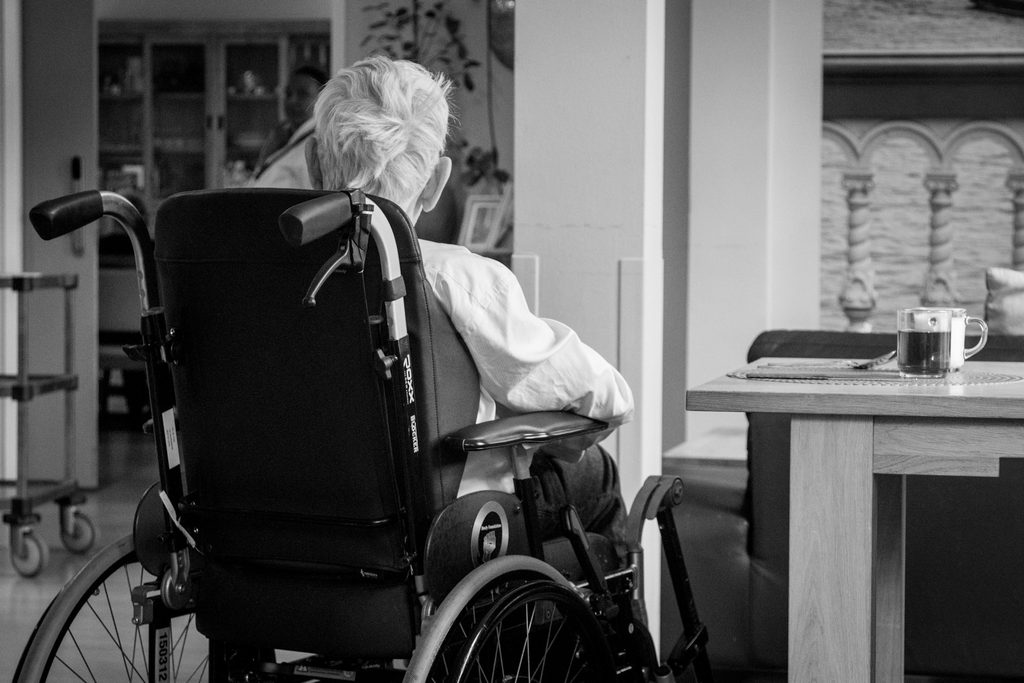
Beyond statistics and regulations lies the real human impact. A resident who suffers a broken hip during transfer may lose their mobility permanently. Head injuries can result in cognitive decline or personality changes. These injuries don't just cause immediate pain—they often trigger complications including infections, extended recovery periods, and accelerated decline.
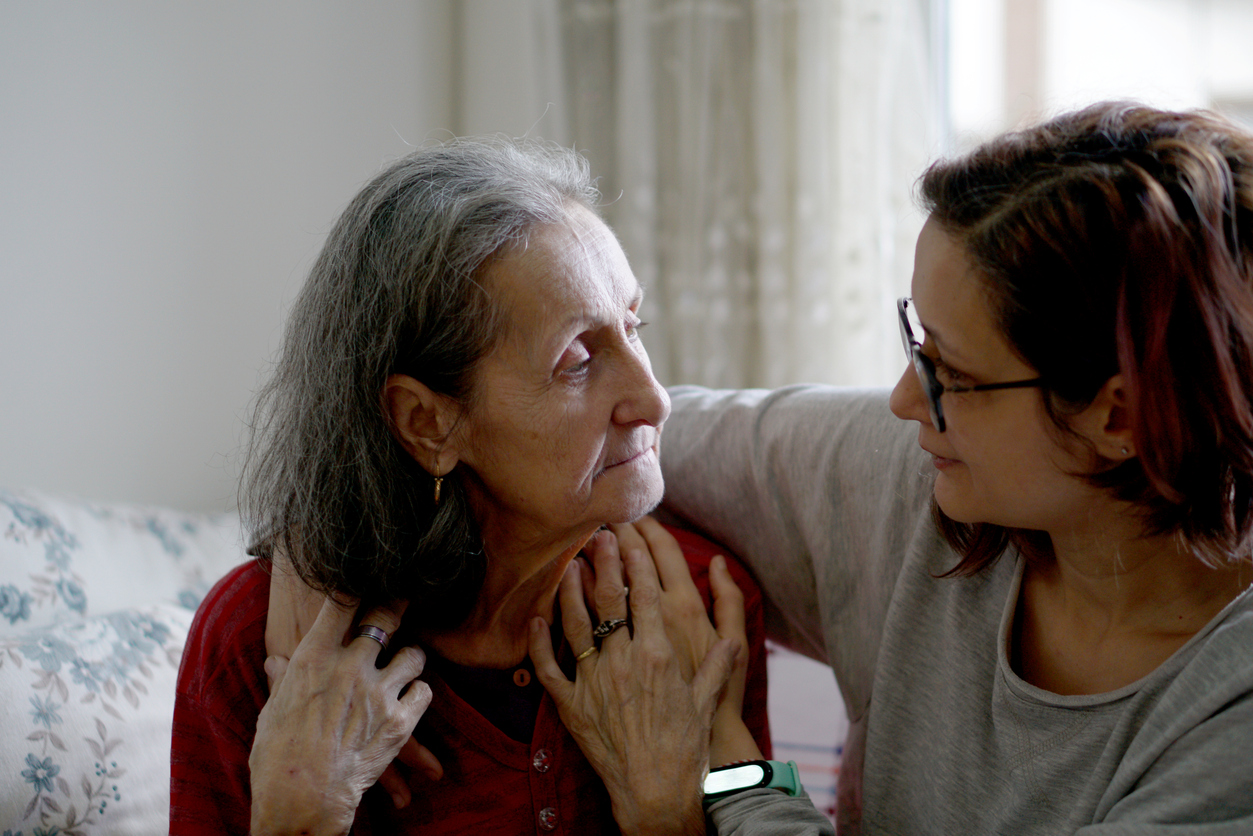
For families, discovering that their loved one suffered patient transfer injuries due to vulnerable adult neglect creates emotional trauma and financial burden. Medical bills mount, quality of life diminishes, and trust in the care system shatters.
How We Can Help
If your family member has suffered patient transfer injuries in a Washington care facility, our team at Ron Meyers and Associates understands the situation and we are ready to help. We've worked with families throughout Washington to investigate caregiver negligence and vulnerable adult neglect cases involving transfer injuries.
We begin by examining facility records, transfer protocols, staff training documentation, and incident reports. Our nursing home abuse attorneys consult with medical and care standards experts to establish whether proper procedures were followed. If negligence or violations are discovered, we're prepared to pursue claims against the responsible parties.
Our role is to advocate for injured residents and hold facilities accountable. When patient transfer injuries result from preventable failures, families deserve compensation and answers. Reach out to us today. We can help you understand your rights under Washington law and explore your options for justice.
Frequently Asked Questions
1. What are the most frequent types of patient transfer injuries in care facilities?
Common physical harm resulting from improper transfers includes hip and femur fractures, shoulder dislocations, traumatic brain injuries from head contact with floors or bed frames, severe skin tears, and soft tissue damage. When proper lifting techniques are ignored, severe patient transfer injuries are often the tragic result.
2. Can a facility be held liable for nursing home transfer injuries if a resident fell?
Yes. If the facility failed to follow the resident's designated care plan, lacked required staffing levels, or failed to use prescribed lifting equipment, the facility can be held legally responsible for the resulting harm under Washington law.
3. How do I know if caregiver negligence caused my family member's transfer fall?
Key indicators include unexplained bruising or fractures, sudden changes in mobility, reports from staff that a resident attempted to transfer alone when assist-staff was required, or inconsistent statements from facility management regarding how the transfer incident occurred.
4. What should I do immediately after my loved one is hurt during a transfer?
First, ensure they receive immediate emergency medical evaluation and treatment. Next, document all visible injuries with photos, request a written copy of the facility incident report, and contact us at Ron Meyers and Associates to preserve vital evidence before facility records are lost or altered.
5. How does Washington law define vulnerable adult neglect during daily care tasks?
Under Chapter 74.34 RCW, neglect includes a failure by a facility or caregiver to provide the care, goods, or services necessary to maintain health or avoid physical harm, directly leading to preventable patient transfer injuries.