
Case Results
Past results do not guarantee future outcomes. Every case is unique.
$3,350,000
Catastrophic Workplace Injury
Catastrophic career ending injury claim in Grays Harbor County.
$2,816,040
Catastrophic Workplace Injury
Career ending injury claim in Grays Harbor County.
$2,501,808
Catastrophic Workplace Injury
Career ending injury and infection claim in King County.
$2,300,000
Catastrophic Workplace Injury
Catastrophic career ending lower extremity crushing injury to construction worker in Pierce County.
$2,025,720
Catastrophic Workplace Injury
Career ending presumptive disease claim in King County.
$1,967,280
Catastrophic Workplace Injury
Career ending injury and infection claim in Pierce County.
What Are Crane, Heavy Equipment, & Industrial Accident Cases?
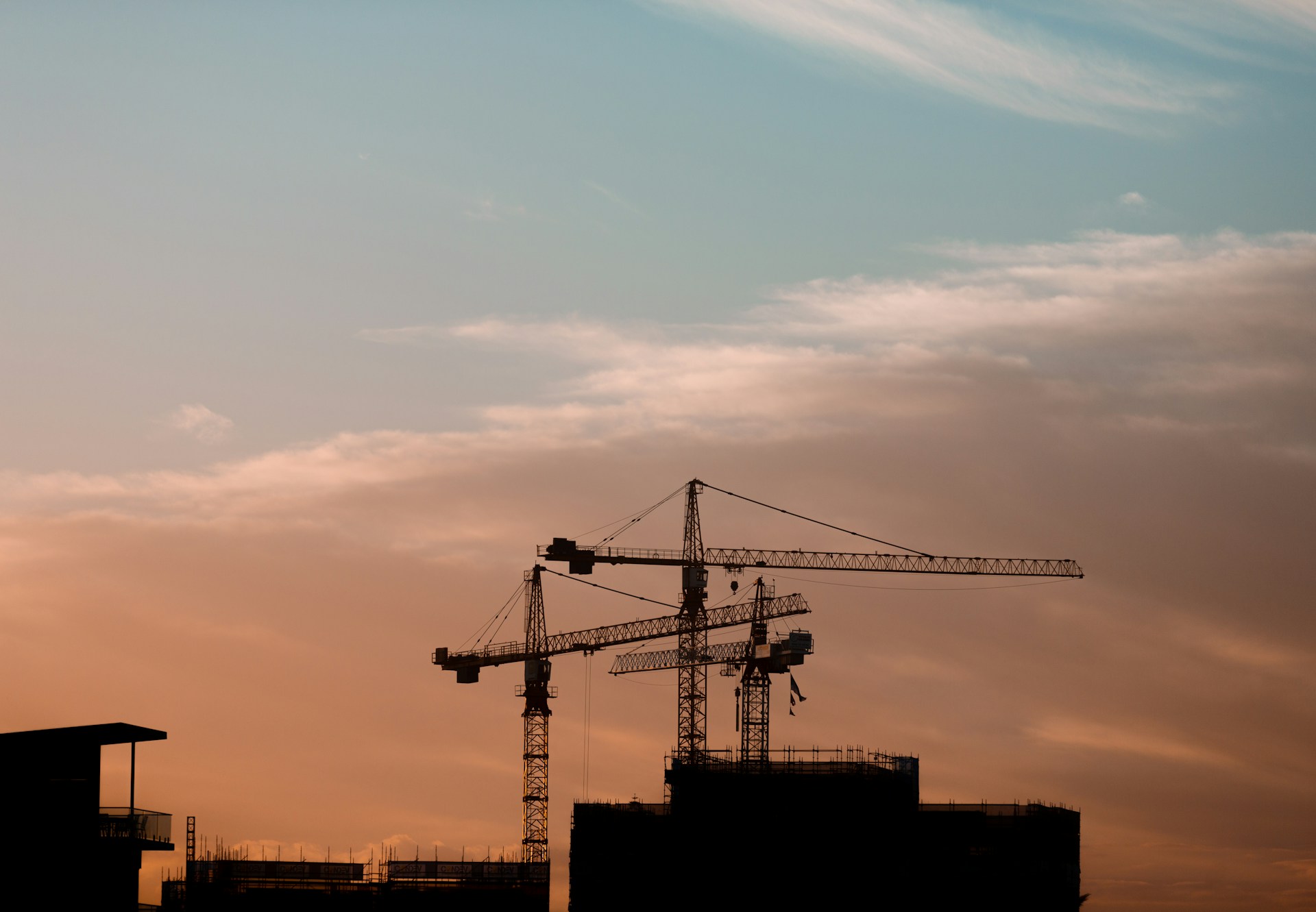
Construction and industrial worksites rely on powerful machinery that can weigh thousands of pounds and operate in constantly changing environments. When equipment is defective, improperly maintained, operated unsafely, or used without adequate training, the resulting injuries are often catastrophic.
Many heavy equipment accidents also involve third-party negligence. Contractors, equipment manufacturers, rental companies, maintenance providers, and other parties may all share responsibility depending on the circumstances.
Free Case Evaluation
Common Crane & Heavy Equipment Accidents
-
Crane collapses, tipping, or falling loads
-
Forklift accidents
-
Excavator, bulldozer, or loader accidents
-
Equipment rollovers
-
Workers struck or pinned by heavy equipment
-
Caught-between and crushing accidents
-
Mechanical, hydraulic, or braking failures
-
Defective safety systems or equipment
-
Inadequate operator training or worksite coordination
What Should You Do After a Heavy Equipment Accident?
1.
Seek Immediate Medical Care
Heavy equipment accidents can cause severe crush, brain, spinal, orthopedic, and internal injuries requiring emergency treatment.
2.
Report the Accident
Notify your employer or supervisor and make sure the incident is formally documented.
3.
Preserve Evidence
Keep photographs, witness information, equipment identification, and any available records showing the condition of the machinery or worksite.
4.
Consider Whether Another Company Was Responsible
Manufacturers, rental companies, maintenance providers, contractors, and other third parties may share responsibility for equipment-related injuries.
5.
Speak With a Workplace Injury Attorney
Equipment may be repaired, moved, returned, or placed back into service, making early preservation of inspection records and other evidence important.
Why Choose Ron Meyers & Associates for Crane, Heavy Equipment, & Industrial Accident Cases?
40+ Years Handling Serious Construction and Industrial Injuries
Ron Meyers & Associates has decades of experience representing Washington workers after heavy machinery accidents, crushing injuries, and other life-changing workplace incidents.
Investigating Complex Equipment Failures
We examine operator conduct, maintenance histories, equipment defects, safety systems, jobsite coordination, and other evidence to determine why machinery failed or an accident occurred.
Identifying Multiple Responsible Companies
Contractors, manufacturers, rental companies, maintenance providers, equipment owners, and property owners may all require investigation after a serious equipment accident.
NITA Master Advocate
Ron Meyers’ advanced courtroom advocacy training is valuable in cases requiring engineering analysis, equipment evidence, OSHA standards, and technical testimony.
Multi-Million Dollar Experience
The firm’s membership in the Million Dollar and Multi-Million Dollar Advocates Forums reflects experience pursuing substantial recoveries when severe injuries create significant lifelong losses.
Client Reviews
When you’re facing a catastrophic injury, the loss of a loved one, or concerns about the care of a vulnerable adult, choosing the right legal team matters. Hear from clients and families who trusted Ron Meyers & Associates to guide them through some of life’s most difficult moments.


Frequently Asked Questions About Crane & Heavy Equipment Accidents
Can I sue after a heavy equipment accident?
Possibly. Many crane and heavy equipment accidents involve third-party negligence that creates additional legal claims.
Who may be responsible for a crane or equipment accident?
Depending on the circumstances, responsibility may include contractors, subcontractors, crane operators, equipment manufacturers, rental companies, maintenance providers, or property owners.
What if defective equipment caused the accident?
You may have a product liability or third-party negligence claim against the manufacturer, distributor, rental company, or another responsible party.
What evidence is important after a heavy equipment accident?
Equipment inspections, maintenance records, OSHA investigations, witness statements, photographs, operator training records, and engineering analysis often play a significant role.
Can multiple companies be responsible?
Yes. Construction projects often involve multiple contractors and companies working together, and responsibility may be shared among several parties.
How long do I have to file a claim?
Washington law establishes different deadlines depending on the type of claim involved. Speaking with an attorney promptly helps preserve evidence and protect your legal rights.
What compensation may be available?
Depending on the circumstances, injured workers may be entitled to damages through a third-party claim.
Talk With a Washington Crane & Heavy Equipment Accident Attorney
If you suffered a catastrophic injury involving a crane, forklift, excavator, bulldozer, or other heavy equipment, Ron Meyers & Associates can help you understand your legal options. We'll investigate the accident, identify every responsible party, and help you pursue the full compensation available under Washington law.