Nursing homes, assisted living communities, and other vulnerable adult care facilities are responsible for meeting the daily care needs of their residents. For many vulnerable adults, that includes assistance with eating, drinking, repositioning, and personal hygiene.
When those responsibilities are not fulfilled, residents may experience malnutrition, dehydration, pressure injuries, and other serious medical complications.
Although these conditions can develop for reasons unrelated to neglect, they may also indicate that a facility has failed to provide appropriate care. Understanding the circumstances surrounding a loved one's condition can help families determine whether further investigation is warranted.
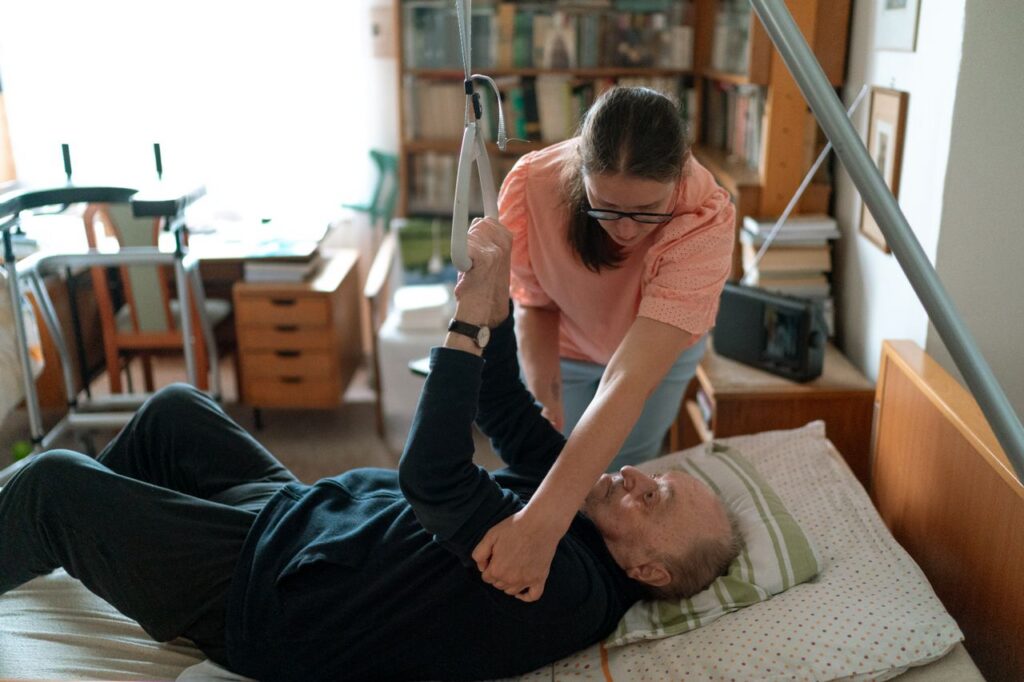
When Does Inadequate Care Become Nursing Home Neglect?
Vulnerable adult care facilities must provide care that reflects each resident's individual needs, medical conditions, and physical abilities. Those needs may change throughout a resident's time at a facility.
Nursing home abuse and neglect can take many forms, including failures to meet residents' basic nutritional, hydration, and physical care needs.
Neglect may occur when a facility fails to:
- Provide adequate food, fluids, or assistance with eating and drinking.
- Follow individualized care plans and dietary requirements.
- Monitor changes in weight, hydration, and overall health.
- Assist residents who cannot reposition themselves independently.
- Recognize and respond to developing medical complications.
- Obtain appropriate medical evaluation or treatment.
These failures may involve individual caregivers, inadequate staff training, poor communication, or broader problems such as understaffing in care facilities.
Residents also have the right to receive appropriate care that respects their health, dignity, and individual needs. Consistently failing to meet those needs may constitute a violation of resident rights.
Determining whether neglect occurred requires looking beyond a resident's diagnosis to understand the quality and consistency of the care they received.
Malnutrition and Unexplained Weight Loss in Nursing Homes
Providing regular meals does not necessarily mean a facility is meeting a resident's nutritional needs.
Some residents require assistance eating, modified food textures, specialized diets, or additional nutritional support. Others may have cognitive or physical conditions that make it difficult to communicate hunger or finish meals independently.
Residents with Alzheimer's disease may forget to eat, have difficulty recognizing food, or require additional encouragement and assistance during meals. Failing to accommodate these changing needs can contribute to the neglect of residents with Alzheimer's disease.
Potential examples of nutritional neglect include:
- Regularly leaving residents without necessary mealtime assistance.
- Failing to follow prescribed dietary restrictions or nutritional plans.
- Not monitoring significant or ongoing weight loss.
- Failing to address known chewing or swallowing difficulties.
- Ignoring repeated concerns about inadequate food intake.
Malnutrition can contribute to muscle loss, weakened immune function, delayed wound healing, and an increased risk of falls and infections.
When a resident experiences significant weight loss, an investigation may examine whether the facility identified the problem, implemented appropriate interventions, and monitored their effectiveness.
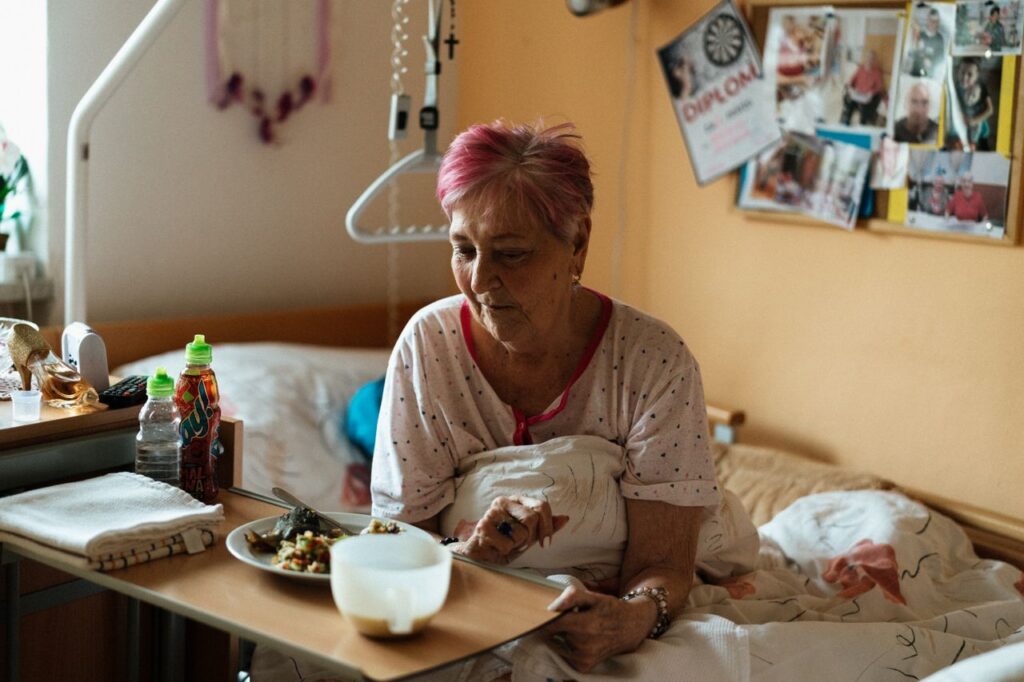
Dehydration Caused by Inadequate Care
Access to drinking water is not enough when a resident cannot independently meet their hydration needs.
A vulnerable adult with limited mobility, dementia, or difficulty swallowing may depend on caregivers to offer fluids regularly and provide assistance drinking.
Medication management can also play a role. Certain medications may increase fluid loss, while medication errors and overmedication may leave residents too sedated or disoriented to recognize thirst or communicate their needs.
A facility may be negligent if staff consistently fail to provide hydration assistance, monitor fluid intake when medically necessary, or respond to symptoms of dehydration.
Severe dehydration can contribute to complications such as kidney problems, electrolyte imbalances, confusion, and hospitalization.
Medical records, fluid intake documentation, caregiver notes, and hospital admission records may help establish whether inadequate care contributed to a resident's condition.
When Bedsores May Be Evidence of Nursing Home Neglect
Bedsores, also known as pressure ulcers or pressure injuries, develop when sustained pressure damages the skin and underlying tissue. Residents with limited mobility may require additional preventive care to reduce their risk.
Depending on a resident's individual needs, appropriate care may include:
- Regular repositioning and mobility assistance.
- Pressure-relieving mattresses, cushions, or other equipment.
- Routine skin assessments.
- Appropriate hygiene and moisture management.
- Nutritional support and hydration.
- Timely wound care and medical evaluation.
The presence of a bedsore alone does not establish negligence. Some pressure injuries develop despite appropriate preventive measures.
However, untreated wounds, worsening pressure injuries, or failures to follow documented prevention and treatment plans may raise serious questions about the care a resident received.
Advanced pressure injuries can result in serious infections, tissue damage, hospitalization, and other complications.
When Multiple Signs of Neglect Appear Together
Malnutrition, dehydration, and pressure injuries can be interconnected.
Inadequate nutrition may interfere with wound healing. Dehydration and weakness may make independent movement more difficult. Reduced mobility can increase the risk of pressure injuries.
When a resident experiences several of these conditions at the same time, it may be important to examine whether there has been a broader breakdown in care rather than an isolated medical complication.
For example, a resident who requires assistance eating and repositioning may experience significant weight loss and develop worsening pressure injuries. An investigation could reveal whether staffing levels, missed care tasks, or failures to update the resident's care plan contributed to both conditions.
These problems are not limited to nursing homes. Similar failures can occur in cases involving assisted living and memory care neglect, particularly when a facility fails to recognize or accommodate a resident's increasing care needs.
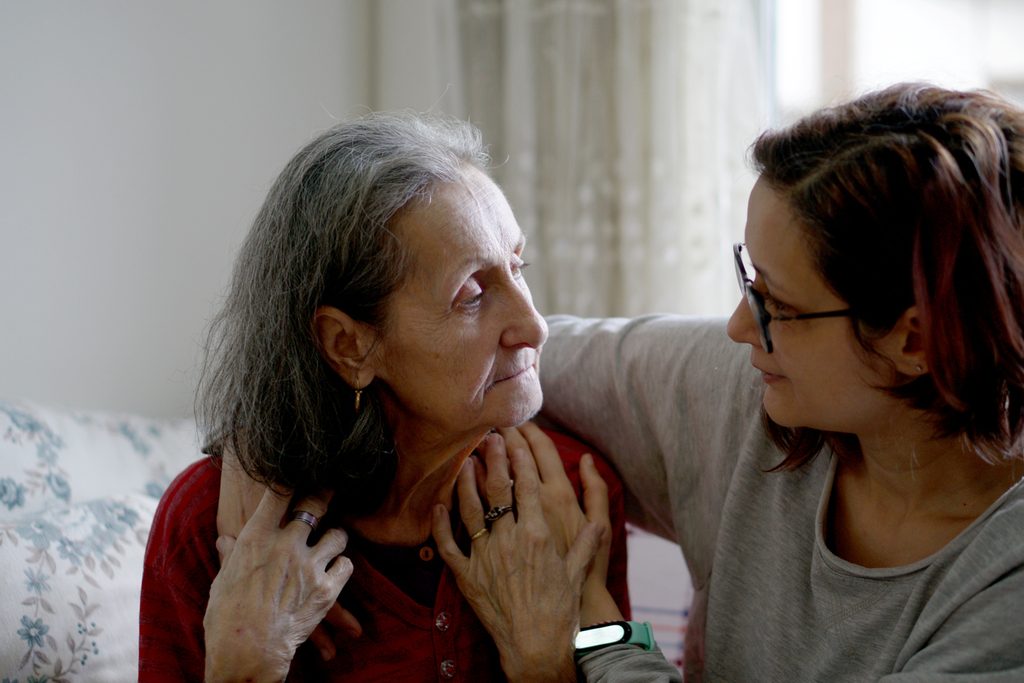
How Do You Prove Nursing Home Neglect in Washington?
Establishing liability in a Washington vulnerable adult neglect case involves examining what care a resident required, what the facility provided, and whether failures in care contributed to their injuries.
Relevant evidence may include:
- Resident assessments and individualized care plans.
- Weight records and nutritional assessments.
- Meal and fluid intake documentation.
- Repositioning schedules and skin assessment records.
- Wound care documentation and photographs.
- Physician orders and medication records.
- Hospital and emergency department records.
- Staffing schedules and caregiver assignments.
- Communications between the facility and family members.
- Previous complaints, inspection findings, or documented care deficiencies.
An investigation may also examine whether a facility recognized the severity of a developing medical condition. A failure to refer a resident to an appropriate medical specialist, such as a wound care specialist or registered dietitian, may allow a treatable condition to worsen.
An attorney can help investigate these circumstances and work with qualified medical professionals to evaluate whether failures in care contributed to the resident's injuries.
Who Can Be Held Responsible for Nutritional Neglect or Pressure Injuries?
Responsibility for inadequate care may extend beyond an individual caregiver.
Depending on the circumstances, potentially responsible parties may include nursing home operators, assisted living facility owners, management companies, contracted care providers, or other organizations responsible for resident care.
Facilities may be accountable for systemic problems such as inadequate staffing, insufficient training, poor supervision, or failures to implement appropriate care policies.
In certain cases, responsibility may also extend to government agencies responsible for a vulnerable adult's placement, supervision, or protection. Government liability for vulnerable adult neglect may arise when an agency or its contracted providers fail to fulfill their legal obligations and those failures contribute to serious harm.
Identifying who was responsible for providing, monitoring, and coordinating a resident's care is an important part of investigating a vulnerable adult neglect claim.
What Compensation May Be Available in a Nursing Home Neglect Lawsuit?
When negligent care causes serious harm, a vulnerable adult or their legal representative may be able to pursue compensation for losses associated with that harm.
Depending on the circumstances, compensation may address:
- Medical expenses and hospitalization.
- Wound treatment and rehabilitation.
- Additional care and support needs.
- Physical pain and emotional distress.
- Other losses resulting from negligent care.
When neglect contributes to a resident's death, there may also be grounds for a wrongful death claim.
Every case is different, and available legal remedies depend on the circumstances and applicable Washington law.
Holding Washington Vulnerable Adult Care Facilities Accountable
Vulnerable adults deserve attentive, individualized care that respects their health, dignity, and independence. When a care facility fails to meet its responsibilities, residents and their families deserve answers.
At Ron Meyers & Associates PLLC, we represent vulnerable adults and families in cases involving serious injuries caused by abuse and neglect in nursing homes, assisted living communities, adult family homes, and other care settings.
Based in Olympia, our attorneys serve families throughout Thurston County, Lacey, Tumwater, Tacoma, and across Washington State.
If your loved one has experienced serious complications from malnutrition, dehydration, or pressure injuries, contact Ron Meyers & Associates PLLC at (360) 459-5600 to schedule a free consultation.
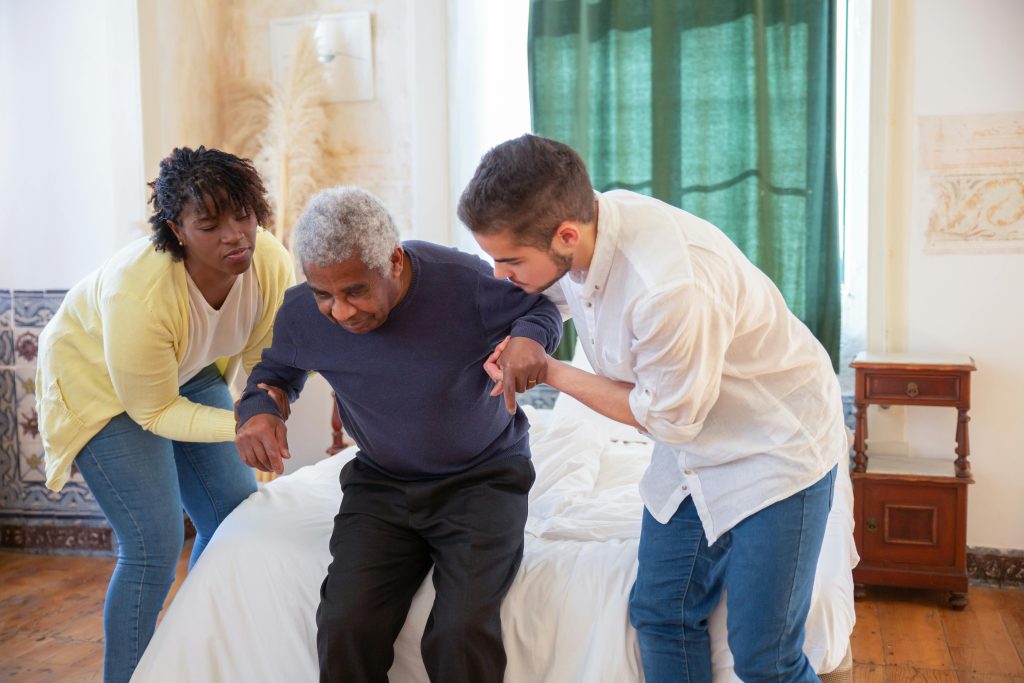
Frequently Asked Questions About Malnutrition, Dehydration, and Bedsores in Nursing Homes
Can I sue a nursing home for malnutrition in Washington?
Potentially. If a nursing home failed to meet a resident's nutritional needs and that failure contributed to serious harm, there may be grounds for a neglect claim. Medical records, care plans, and nutritional assessments can help establish what occurred.
Are bedsores always a sign of nursing home neglect?
No. Pressure injuries can develop despite appropriate care, particularly among residents with complex medical conditions. However, failures to assess risk, provide preventive care, or appropriately treat developing wounds may constitute neglect.
Can a nursing home be liable if dehydration leads to hospitalization?
A nursing home may be liable if inadequate hydration assistance, monitoring, or medical intervention contributed to a resident's dehydration and resulting injuries. Hospitalization alone does not establish negligence, but the circumstances leading to it may warrant investigation.
Can assisted living facilities and adult family homes be liable for these injuries?
Yes. Neglect involving nutrition, hydration, and pressure injuries can occur in several types of vulnerable adult care settings. A facility's responsibilities and potential liability depend on its obligations, the resident's care needs, and the circumstances of the injury.
Can a nursing home be held responsible for neglect caused by staffing shortages?
Potentially. Staffing shortages do not automatically excuse a facility's failure to meet residents' care needs. If inadequate staffing contributed to missed meals, insufficient hydration assistance, untreated wounds, or other failures in care that caused harm, the facility may be held accountable.
What should I do if I suspect nursing home neglect in Olympia or elsewhere in Washington?
Make sure your loved one receives appropriate medical attention, document your concerns, preserve relevant communications and records, and consider reporting suspected neglect to the appropriate authorities. A Washington vulnerable adult abuse and neglect attorney can also help you understand your legal options.