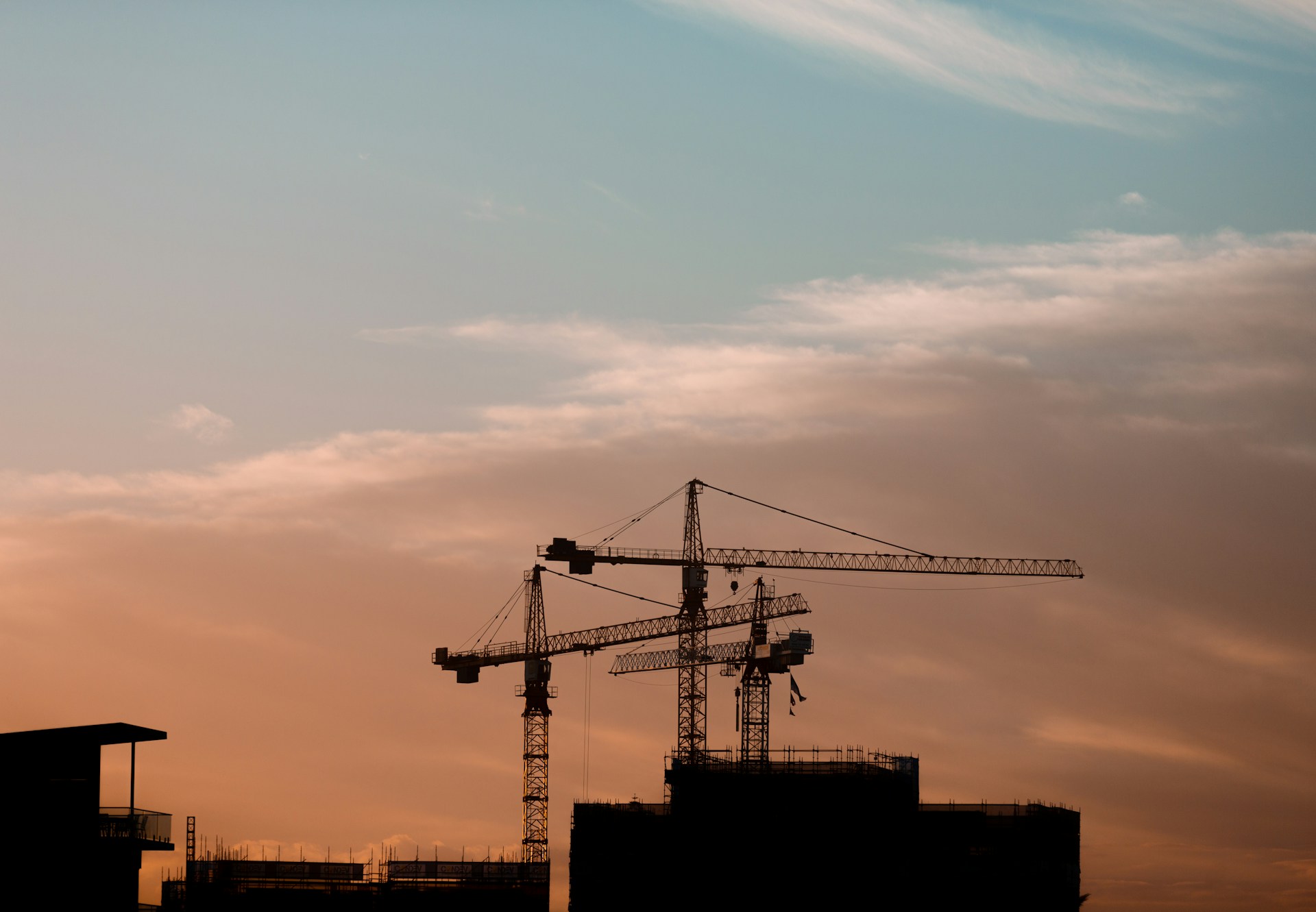
Construction sites across Washington are among the most dangerous work environments in the state. These projects drive regional growth, but they also expose workers to serious physical hazards daily. When safety standards fail or safety rules are disregarded, the consequences can be life altering. Understanding the hazards that lead to catastrophic construction injuries is crucial for workers, contractors, and those seeking justice after an incident.

Leading Hazards on Washington Construction Sites
While minor jobsite mishaps occur, catastrophic construction injuries in Washington typically result from critical failures—such as unguarded edges and collapsing trenches—that inflict permanent, life-altering trauma on workers.
Falls from Elevation
Falls remain the leading cause of catastrophic construction injuries on jobsites. Whether working on commercial roofing, scaffolding, or framing, an elevated fall frequently causes permanent spinal trauma or traumatic brain injuries. WISHA regulations mandate specific fall protection measures, such as guardrails, safety nets, and personal fall arrest systems. Fall protection is mandatory at four feet—stricter than the federal OSHA standard of six feet. When these requirements are ignored or equipment is improperly installed, the risk of a fall resulting in catastrophic construction injuries rises dramatically.
Struck-By Incidents and Heavy Equipment
Working around heavy machinery, cranes, and moving vehicles creates significant risks. Workers can be struck by swinging loads, falling tools, or vehicles backing up in tight spaces. These accidents often result in fractures, traumatic brain injuries, or internal trauma. Ensuring proper site traffic control and maintaining clear communication between operators and ground crews is vital to preventing these incidents.
Trench Collapses and Cave-Ins
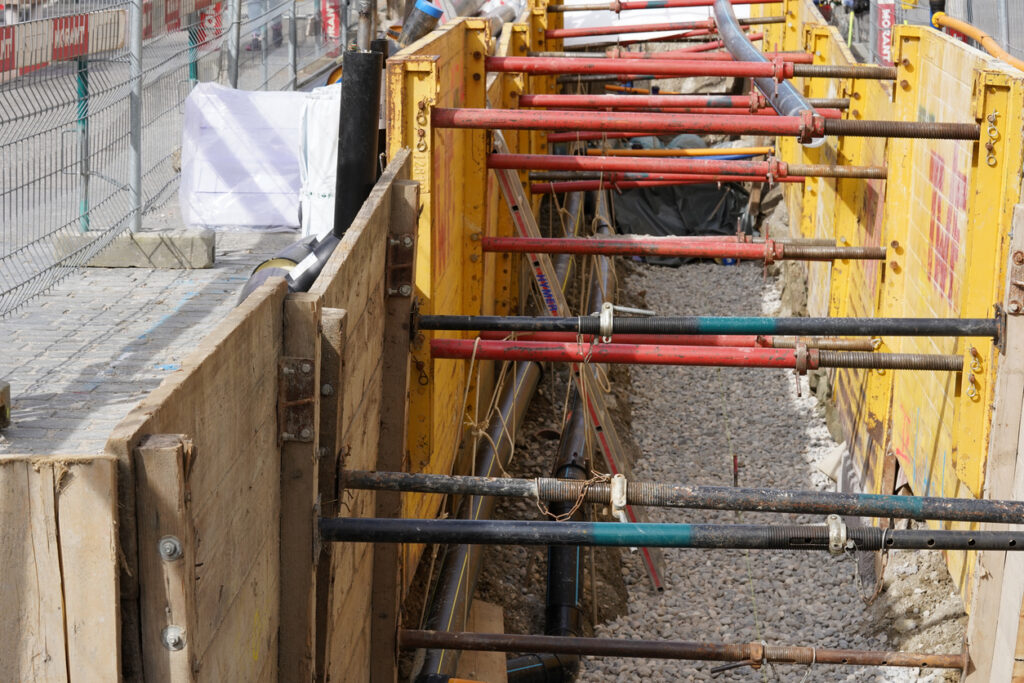
Excavation carries inherent hazards, particularly in Washington’s wet, loose soils. Under WAC 296-155 Part N, any trench four feet or deeper requires protective systems such as shoring, shielding boxes, or proper sloping. When site supervisors fail to inspect trench integrity before workers enter, sudden cave-ins can bury laborers under thousands of pounds of soil, leading to traumatic asphyxiation and severe pelvic trauma.
Electrocution
Construction sites often involve temporary, exposed, or unfinished electrical systems. Contact with overhead power lines or poorly grounded tools can cause severe electrical burns, internal organ damage, and cardiac arrest. Adherence to strict electrical safety protocols, including lockout/tagout procedures, is essential to minimize this hazard.
Caught-in or Between Accidents
Workers can become caught in unguarded moving parts, trapped under shifting cargo, or pinned between heavy equipment and stationary structures. These incidents frequently cause severe crush trauma, traumatic amputations, or fatal injuries. Strict machine guarding, lockout/tagout protocols, and mandatory equipment clearance zones are designed to eliminate potentially lethal worksite hazards.
Together, these critical risks illustrate how quickly ignored protocols trigger catastrophic construction injuries. Rigorous daily inspections, required protective systems, and open communication on site are essential to shielding Washington workers from life-altering injuries.
Legal Accountability and Third-Party Claims in Washington
Washington law provides mechanisms for workers who suffer serious construction injuries. While the industrial insurance system provides benefits for on-the-job injuries, it may not fully compensate a worker for the long-term impact of catastrophic construction injuries. When a third party—such as a subcontractor, equipment manufacturer, or site owner—contributes to the negligence that caused the accident, filing a construction injury lawsuit may be a necessary step to secure fair compensation.
Navigating these claims requires understanding both the technical aspects of safety regulations and the complexities of civil litigation. An established construction accident lawyer can help identify all responsible parties and hold them accountable for failures to follow established safety standards.
How Ron Meyers and Associates Can Help
At Ron Meyers and Associates, we help injured workers and their families understand their options after catastrophic construction injuries. We investigate how the accident happened, identify potentially responsible parties, and gather evidence such as site records, witness statements, and safety documentation. We also explain how Washington workers’ compensation benefits may apply and whether a third-party construction injury lawsuit could be an option.
Catastrophic construction injuries can require extensive treatment, time away from work, and long-term support. Contact us today to discuss your case. We work to document the full impact of your injuries and pursue compensation where the law allows. If you’re unsure what to do next after a construction accident, we can discuss your situation and help you understand your choices.

Frequently Asked Questions
What defines catastrophic construction injuries?
Catastrophic construction injuries cause severe, life-altering harm, such as permanent cognitive impairment, physical disability, or loss of bodily function. Examples include quadriplegia, severe brain damage, and amputations.
Can I file a construction injury lawsuit if I receive Washington L&I benefits?
Yes. Under RCW 51.24.030, receiving workers’ compensation does not prevent a lawsuit against negligent third parties, such as property owners or outside contractors.
What is the deadline to take legal action after a Washington construction accident?
Under RCW 4.16.080, the general deadline for Washington personal injury claims is three years from the injury date. Prompt legal advice can help preserve evidence.
Who can be held liable for jobsite injuries in Washington?
Potentially liable parties include general contractors who breach safety duties under the Stute doctrine, negligent subcontractors, and manufacturers of defective tools or heavy machinery.
How can a construction accident lawyer assist an injured worker?
A construction accident lawyer investigates third-party liability, addresses L&I liens under RCW 51.24.060, and seeks compensation for losses workers’ compensation may not cover, such as pain and suffering and lost future income.