When you place a family member in a long-term care setting, you expect them to receive attentive, compassionate care. Seeing a family member suffer unexplained weight loss or drop to a dangerously low body weight can be heartbreaking and deeply alarming. Rapid, unintended physical decline is rarely a normal part of aging. In many instances, sudden physical deterioration points directly to systemic care failure, short staffing, or inadequate supervision.
At Ron Meyers and Associates, we represent families throughout Washington State whose loved ones have suffered harm due to sub-standard care. Understanding state laws, identifying warning signs, and knowing your legal rights can help you protect your loved one and hold negligent facilities accountable.
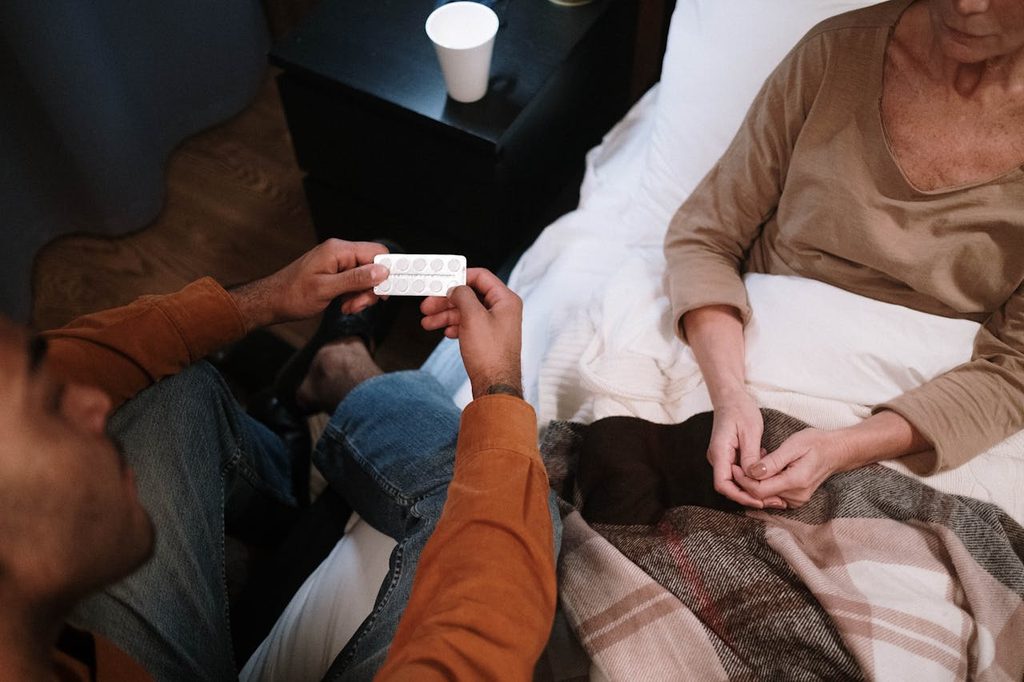
Understanding Malnutrition in Long-Term Care Facilities
Nursing home malnutrition is more common than many families realize. Washington's Department of Social and Health Services (DSHS) establishes specific regulations requiring care facilities to provide adequate nutrition and hydration to all residents. Despite these requirements, some facilities fail to meet these basic standards, resulting in residents who lose weight dangerously and rapidly.
Under Washington Administrative Code (WAC) 388-97-040, nursing homes must ensure that residents receive meals and snacks that meet their nutritional needs based on current clinical recommendations. When residents lose weight without medical explanation, it raises red flags about whether the facility is fulfilling this obligation.
Is Unexplained Weight Loss a Sign of Neglect?
In Washington State, the Abuse of Vulnerable Adults Act (RCW 74.34) defines neglect as a pattern of conduct or inaction by a facility or caregiver that fails to provide the goods and services necessary to maintain a resident’s physical or mental health.
When a resident experiences unexplained weight loss, it is often accompanied by other severe physical complications, including:
- Care facility dehydration: Inadequate fluid intake can cause extreme fatigue, confusion, kidney injury, and dangerous blood pressure drops.
- Pressure sores (bedsores): Rapid weight loss reduces natural tissue padding, making skin far more vulnerable to severe breakdown.
- Frequent infections and slow healing: Severe nutritional deficits compromise the immune system, making minor ailments life-threatening.
- Increased risk of falls: Loss of muscle mass drastically reduces balance and mobility.
If any of the preceding sypmtoms occur alongside unexplained weight loss and the facility fails to regularly weigh residents, consult a dietitian, or notify attending physicians when weight loss occurs, this pattern of inaction frequently constitutes legally actionable vulnerable adult neglect.

Steps to Take If You Suspect Neglect
If you believe your family member is suffering from nursing home malnutrition, taking rapid action is essential to protect their health and secure their rights. Here are the steps you should take immediately:
- Obtain an Independent Medical Evaluation: Request that your family member be examined by their primary physician to identify or rule out any underlying medical conditions contributing to the weight drop.
- Request and Review Care Records: Secure full access to facility records, specifically looking at daily meal logs, routine weight tracking charts, and formal nutritional assessments.
- Document Conditions and Interactions: Keep a detailed, written record of your personal observations, photographs of your family member's physical condition, and notes from all conversations with facility staff regarding nutritional care.
- File an Official Complaint: Report the situation directly to the Washington Department of Health’s Survey and Complaint Program to request an official investigation into potential vulnerable adult neglect.
- Consult with Legal Representation: Reach out to a nursing home neglect attorney at Ron Meyers and Associates. We will review the details of your case, investigate instances of care facility dehydration and severe weight loss, and advocate for your family.
Unexpected physical decline in long-term care should never be dismissed as a normal part of aging. When facilities fail to provide basic nutritional oversight, residents suffer preventable harm. At Ron Meyers and Associates, we are dedicated to holding negligent facilities accountable and helping families throughout Washington State secure justice. If you suspect your loved one's weight loss stems from improper care, contact our office today for a free consultation.
How Ron Meyers and Associates Can Help
If your family member has suffered severe harm or dramatic weight drops while residing in a Washington care facility, you do not have to navigate this overwhelming situation alone. At Ron Meyers and Associates, we fight tirelessly to protect vulnerable individuals and hold negligent facilities responsible for their failures.
When you partner with us, our legal team will immediately obtain and review full medical records, dietary logs, and weight charts to investigate whether the facility violated specific Washington State care guidelines under RCW 74.34 and WAC standards.
Your attorney will work alongside medical professionals to establish whether the weight loss resulted from an underlying illness or preventable nursing home malnutrition, allowing us to build a strong case to pursue maximum financial compensation for medical bills, pain, suffering, and relocation costs. We know how complex nursing home litigation can be, and we are committed to standing by your side every step of the way. Contact us today to begin building your case.

Frequently Asked Questions (FAQs)
1. How much weight loss is considered dangerous in a nursing home?
A weight loss of 5% in 30 days, or 10% within six months, is generally considered medically significant and dangerous. In Washington facilities, significant drops require immediate physician notification, dietary evaluation, and updated care plans to prevent further nursing home malnutrition.
2. What should I do immediately if I suspect my loved one is malnourished?
First, request an immediate consultation with the nursing director and the resident's primary physician. Document your loved one's physical appearance and meals. Next, report your concerns to the Washington State Department of Social and Health Services (DSHS). Finally, contact Ron Meyers and Associates to discuss your legal options.
3. Can a facility be held liable for malnutrition if my relative had a poor appetite?
Yes. Facilities are required to identify appetite loss early and implement solutions, such as meal supplements, feeding assistance, or altered meal consistency. Blaming a resident's poor appetite does not excuse a facility from failing to address nursing home malnutrition.
4. What are common signs of care facility dehydration alongside weight loss?
Key indicators of care facility dehydration include extreme dry mouth, dark or sunken eyes, dark-colored urine, sudden confusion, rapid heart rate, and dry, inelastic skin.
5. What time limits apply to filing a claim for vulnerable adult neglect in Washington?
In Washington State, most personal injury and vulnerable adult neglect claims are subject to a three-year statute of limitations from the date of the injury or discovery. Because critical evidence like meal logs can be misplaced over time, reaching out to Ron Meyers and Associates as soon as possible is crucial.